Blog Archives - Page 4 of 5 - Dynamic Ratings

Navigating FERC’s Newest Transmission Grid Rule

  • October 18, 2024
  • Blog

Electricity networks are changing, and loads have increased and are less predictable. There is an uptake of electric vehicles, and distributed energy resources such as solar PV, data center consumption, and vehicle-to-grid are examples of new dynamics straining the historically passive medium and low voltage distribution networks…

Transformer Monitoring Beyond the Nameplate Red Line

  • September 13, 2024
  • Blog

While mechanical gauges have been reliable tools for temperature monitoring for decades, their limitations are becoming more pronounced as industries demand higher accuracy, better data integration, and more sophisticated transformer monitoring capabilities. For many years the limit for normal apparatus loading was based on the maximum nameplate rating or an arbitrarily set value, called “the red line.”…

Key Gas vs. Multi Gas DGA: Which Choice Best Suits Your Needs?

  • August 28, 2024
  • Blog

Transformer monitoring is not a one-size-fits-all approach due to the varied operational environments, transformer types, and specific needs of different power systems. The choice between Key Gas and Multi gas depends on several factors including the criticality of the transformer, the type of load it handles, the environmental conditions, and the maintenance strategy of the utility or industrial operator…

Industry Collaboration with Global Leaders Such as CIGRE and the IEEE

  • August 22, 2024
  • Blog

In an industry like ours, with so many evolving challenges and shifting priorities, our mission continues to be an ever-growing and evolving one. Our focus continues to be on collecting knowledge and expertise, allowing us to collaborate with our clients, as well as our peers, while ensuring that our values continue to align with those of leading global organizations…

Solving the Data Center Electrical Grid Burden

  • July 23, 2024
  • Blog

As the demand for AI and other digital services continues to grow, data centers are creating an increasing burden on the electrical grid, and the country may not have the capacity to meet the demand. The digital revolution is now overwhelming utilities and regional power grid operators tasked with managing electricity demand, proving that utilities need to adapt, and showing us why asset management matters even more as we move into the future…

Up Your Switchgear Monitoring Game with Dynamic Ratings

  • July 11, 2024
  • Blog

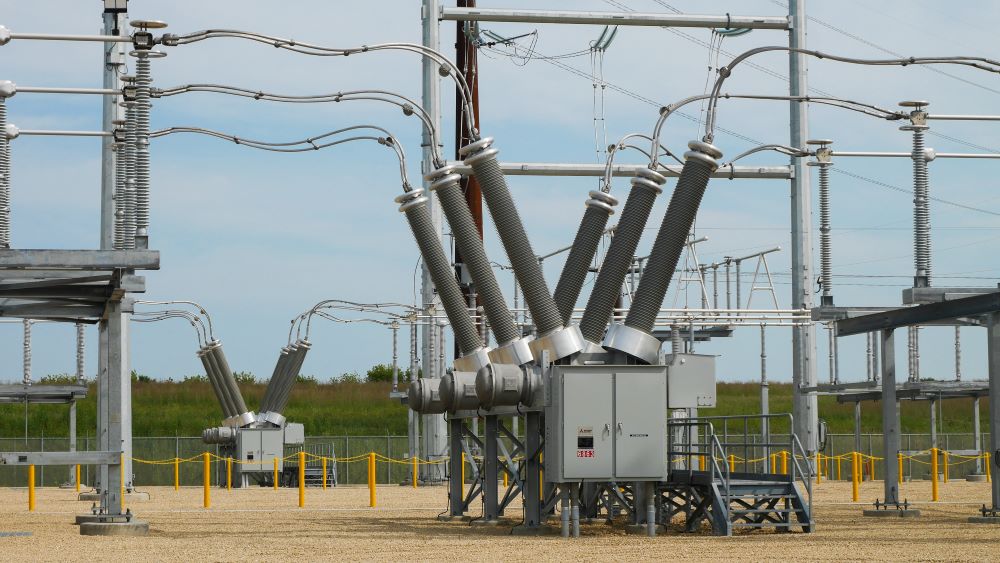
Switchgear is a complex apparatus composed of various moving and fixed parts and contacts, including conductor, circuit breaker, switches, fuses, and relays, serving as a critical component of the power protection system responsible for protecting other components on the electrical grid from damaging fault currents…

The Rise of Electric Vehicles and the Challenges to Grid Maintenance

  • June 18, 2024
  • Blog

Electric vehicles (EVs) are becoming increasingly popular worldwide, and while they offer numerous environmental and economic benefits, their widespread adoption poses several challenges to the electrical grid, primarily through increased electricity demand, peak load challenges, localized strain on distribution networks, and the need for significant infrastructure upgrades.

How Online Partial Discharge Monitoring Identifies Degraded Bushings

Partial discharge (PD) can pose a significant threat to high voltage electrical equipment and they are also typically the first indicator that an electrical asset is degrading. If left undetected or if reparative actions are not taken, partial discharges can lead to costly electrical failures. In the post we will examine a case study on the benefits of PD Monitoring.

A Partnership Designed to Promote Better Energy Practices

By partnering with The National Rural Electric Cooperative Association (or NRECA), Dynamic Ratings is better able to showcase our own values, as partnership within this co-op community helps us both expand our own knowledge base and share our expertise to help foster continuous community improvement.