
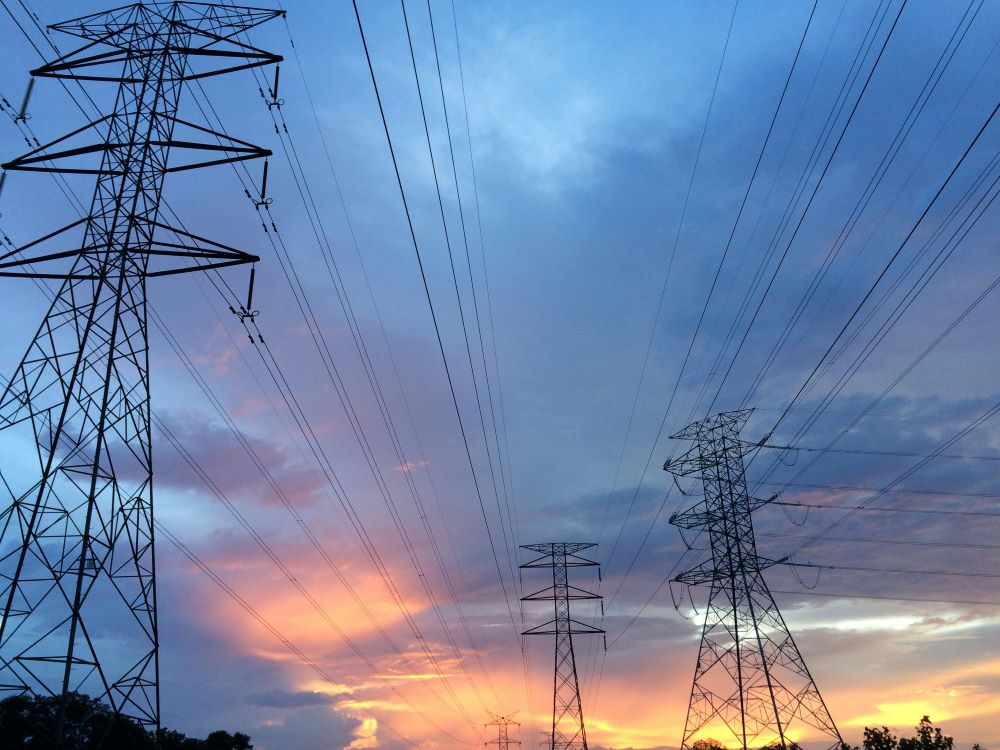
Electricity networks are changing, and loads have increased and are less predictable.
There is an uptake of electric vehicles, and distributed energy resources such as solar PV, data center consumption, and vehicle-to-grid are examples of new dynamics straining the historically passive medium and low voltage distribution networks.
This rising challenge has network operators straining to meet their four core drivers: safety, reliability, sustainability, and affordability, which is why asset management is more important than ever. They are also challenged with getting utility scale renewable generation to these emerging load centers, creating a need for a more robust transmission system.
As utilities grapple with challenges in the distribution network, it is fast becoming apparent that there is a severe lack of real-time operating data as a way to maximize efficiency of the existing grid until new transmission infrastructure is available.
In response to these challenges, the Federal Energy Regulatory Commission (FERC) has updated their policies and will require utilities to update their transmission line operations by July 12th, 2025.
This new rule will allow transmission operators to increase the capacity of power transmitted, allowing for improved system efficiencies, incentivizing them to use dynamic lines ratings that more closely align ratings to actual operating conditions instead of worse case scenarios.
The FERC Order 881
FERC’s new Order 881 will require all transmission providers, both inside and outside of organized markets, to use ambient-adjusted ratings as the basis for evaluating near-term transmission service to increase the accuracy of near-term line ratings.
Utilities have large electronic maps, and amperage can change depending on load/temperature. Static load limits lower accuracy and efficiency, as line ratings are based on conservative assumptions about worst case scenarios — long-term air temperature and other weather conditions that can lead to underutilization of the transmission grid.
Transmission line ratings represent the maximum transfer capability of each transmission line, and the dynamic rating provides the time remaining at the current state and the maximum safe load.

FERC’s new rule will allow public utility transmission providers to use uniquely determined emergency ratings and to share transmission line ratings and transmission line rating methodologies with their respective transmission provider(s) and with market monitors.
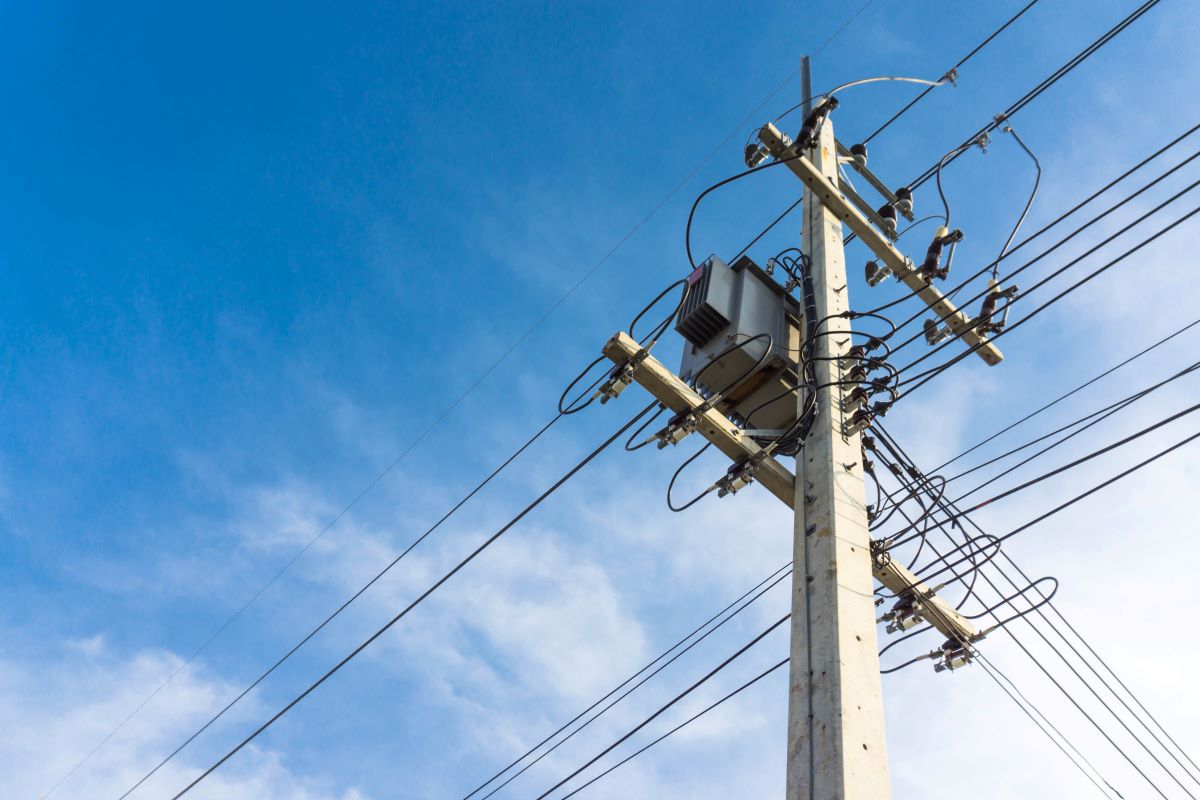
While the final rule does not mandate the adoption of dynamic line ratings – ratings that account for other factors like wind speed – the rule does require that organized market operators establish and maintain systems and procedures necessary to allow transmission owners that would like to use dynamic line ratings the ability to do so.
This will give operators the ability to combine nameplate load monitoring along with real-time dynamic rating monitoring for maximum efficiency and accuracy in the field.
The Importance of Knowing the Nameplate Load Amount
The nameplate load refers to the maximum rated capacity of an asset, as specified by the manufacturer, under standardized operating conditions. It is essential to know the nameplate load amount because it provides a baseline for how much load an asset can handle under normal conditions. Understanding this limit is crucial for several reasons.
The nameplate load indicates the designed maximum load the asset can safely handle. Operating beyond this capacity risks overheating, mechanical stress, or electrical failure.
Knowing the nameplate load helps in the planning and allocation of resources to prevent overloading and ensures that equipment operates within its designed limits.
Regulatory bodies (such as FERC) often require adherence to nameplate capacities to ensure safety and reliability. Operating within these limits helps maintain regulatory compliance.
Finally, running assets close to their nameplate load for prolonged periods may lead to faster wear and tear. Understanding the limits can guide operators on when to schedule preventive maintenance.

The Dangers of Exceeding Capacity Limits
Exceeding the capacity limits of an asset, whether temporarily or continuously, can have serious consequences.
When an asset operates beyond its rated capacity, it may generate excessive heat, leading to degradation of insulation, melting of components, or even fire. Overheated equipment is at risk of sudden failure, creating potential safety hazards.
Operating equipment beyond its rated capacity accelerates wear and tear. Electrical components such as transformers, cables, or generators are more prone to aging prematurely, leading to more frequent breakdowns and costly repairs or replacements.
Additionally, overloading equipment can cause voltage sags, surges, or flickers, negatively impacting the quality of power delivered to consumers. Poor power quality can damage sensitive equipment, causing malfunctions or outages.

The dynamic rating of assets offers flexibility and efficiency by allowing real-time adjustments to asset capacity based on environmental and operational conditions. However, understanding the nameplate load is still crucial as it provides the manufacturer’s designed limit for safe operation.
Exceeding capacity limits can result in dangerous outcomes such as overheating, reduced lifespan, system instability, and severe safety risks. Therefore, proper asset management, combined with dynamic rating systems, helps maximize performance while ensuring safety and reliability.
Load for Time & Time for Load
In power systems, especially for assets like transformers, oil temperature also plays a critical role in determining the overall health and load capacity of the equipment. The predictive oil temperature model estimates the future oil temperature of the asset based on historical data, real-time conditions, and anticipated load profiles.
When combined with dynamic rating calculations, this model allows operators to make informed decisions about how long they can safely apply a specific load (Load for Time) or how much load can be applied for a given period of time (Time for Load) without exceeding critical temperature limits.
The load for time calculation answers the question: Given the current and predicted conditions, how much load can I apply safely for a specific amount of time before reaching a critical oil temperature?
The time for load calculation answers the question: For a given load level, how long can the asset safely operate before reaching the maximum allowable oil temperature?
The dynamic rating calculation assesses the real-time load-carrying capacity of an asset, taking into account various external and internal conditions such as temperature, load profile, wind speed, and cooling system performance. Instead of using a fixed capacity (static rating), the dynamic rating is adaptive and can adjust the allowable load based on changing conditions.
The dynamic rating gets its name by providing this information to transformer owners via online electrical usage monitoring and data reporting.
And we get our name — Dynamic Ratings — from our ability to help utilities providers adapt and evolve alongside rising challenges and changing mandates.
We bring a platform of robust, field-proven, and cost-effective industrial monitors to the utility space that provide these “What If” dynamic transformer rating calculations. This information coupled with other system data from our Breaker Performance Monitor and IoT sensor solution provide utilities with the missing operational data needed to meet grid challenges. The E3 series delivers best in class field-proven technology in data collection to improve reliability, reduce maintenance costs, and maximize life and loading of your assets.
The E3 Data Driven Monitoring Solution
The E3 Transformer Monitor uses field-proven technology in data collection, analysis and visualization in order to better communicate and notify changes in transformer conditions.
Thanks to online condition-based data, users receive alarm notifications when problems first arise, allowing early detection and prompting appropriate action before problems escalate. Transformer failure can be catastrophic — but knowing the condition of assets by using the best digital asset management software available allows users to reduce failure rates and unplanned outages.

Reduce Maintenance Costs with the E3
The advanced analytics within the E3 monitoring system filters through the condition data to automatically identify issues that require maintenance attention, which in turn allows the Operations & Maintenance crews to focus on resolving problems rather than manually collecting data for offline condition assessment.
E3 Transformer Monitor Maximizes Life and Loading
The real time measurement of operational parameters allows visibility into the condition of an asset. Real-time understanding means you can load a transformer with confidence. Using data to make strategic decisions helps maximize asset life and planning for replacement. Extending the remaining useful life of an asset leads to deferred replacement capital costs.
The LIFESTREAM® Solution
Combine the E3 monitoring solution with LIFESTREAM® support services to provide a comprehensive, data driven approach to condition monitoring for bushings, windings, OLTC, cool system and insulation of power transformers.
If you’d like to transition to proactive and intelligent network management based on a data-driven approach, contact us to learn more about how transformer monitoring and asset performance management software work together to keep the lights on for major utilities providers.

Author: Tyler Willis, Dynamic Ratings