
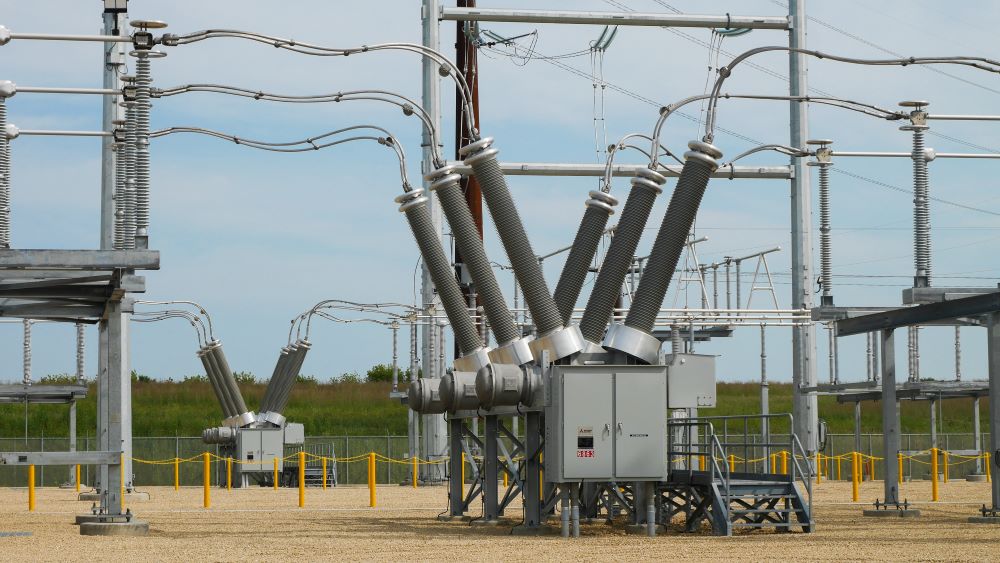
Asset management is crucial in the utilities sector, where the efficient operation of electrical systems is essential for safety and reliability. One key element in this field is managing circuit breakers, which protect electrical infrastructure from faults.
Traditionally, protective relays have played a vital role in controlling circuit breakers, but modern breaker monitoring systems offer deeper insights into asset health.
The following article is a summary of a more comprehensive Dynamic Ratings webinar, which can be found here.
Impact of Protective Relays on Circuit Breakers
Protective relays help maintain the reliability of power systems. They detect abnormal conditions and take appropriate actions to protect electrical equipment, including power transformers, during fault events.
These devices initiate the trip and close functions of circuit breakers. When a fault or abnormal condition is detected, the relay sends a signal to the circuit breaker to open, interrupting the flow of electricity and isolating the affected area.
The speed at which protective relays operate is crucial. In some cases, these devices need to respond and trip a breaker within a few thousandths of a second to effectively protect circuits and equipment. This rapid response time is often prescribed in legislation or operating rules to ensure the safety, reliability, and stability of the power system.
Protective relays can be designed with different approaches for trip circuits. One method is direct tripping, where the protective relays directly trip each circuit breaker. Another approach is indirect tripping, which utilizes diodes or auxiliary relays to accomplish the tripping function.
The choice between these methods depends on the power system’s specific requirements and the desired level of protection.
Microprocessor-based relays have enhanced the data collection capabilities of protection systems. These digital relays can help troubleshoot faults by providing information about the type of fault, distance to fault, and magnitude and duration of fault. This historical data is helpful to asset managers for post-fault analysis and can be used to assess the quality of protection and reaffirm or modify setting guidelines.


However, the data provided by protective relays is primarily reactive in nature. It offers a statement of what happened but does not offer continuous evaluation. For example, digital relays offer little preventative information as to the physical condition of circuit breakers. They cannot provide accurate information on the mechanical condition of the mechanism during the operation, nor can they indicate the presence of defects that may lead to future operational failure.
The limitations of protective relays highlight why asset management for the utilities sector requires more advanced monitoring solutions that can offer deeper insights into the health and performance of circuit breakers.
The Features of Breaker Monitoring
Breaker monitoring has emerged as a continuous evaluation method for asset health, offering significant advantages over traditional approaches and enabling condition based monitoring that optimizes maintenance schedules based on actual equipment conditions.
Dynamic Ratings Breaker Performance Monitor is the most comprehensive circuit breaker monitoring solution available, offering a continuous evaluation of asset health, providing real-time insights into circuit breakers’ condition. These systems collect data on various parameters, including load patterns, breaker timing, and network behavior, allowing asset management teams to understand their grid’s performance comprehensively. By harnessing this data effectively, asset managers can make informed decisions to optimize operations and enhance electrical usage monitoring.
Additionally, our breaker monitors allow for complete monitoring of breaker components, such as breaker heaters, motors, control circuits, and SF6, which cannot be performed through relay data. This is crucial because a malfunction of any of these components will result in breaker failure.
Another key feature of breaker monitoring is its ability to capture detailed waveforms during operations. Our advanced breaker monitoring systems employ high-speed waveform capture technology, combining the most effective offline and online testing methods into a highly customized monitoring package.
This capability allows for a graphical comparison of breaker operations, providing a detailed analysis of first trip open and close times, identification of latch and bearing performance, lubrication issues, auxiliary contact condition, and fault current values.

Benefits of Deeper Analysis for Each Operation
While protective relays primarily focus on fault detection and isolation, breaker monitoring systems enable a more comprehensive approach to asset management. These systems allow utilities to track the performance degradation of each operation compared to the first commissioned operations, providing valuable insights for proactive maintenance.
By leveraging this detailed data, utilities can adopt predictive maintenance strategies and utilize asset performance management software to optimize operations, ensuring that maintenance activities are aligned with equipment health. This approach not only reduces costs but also maximizes asset lifespan.
In contrast, protective relays offer limited preventative insights, primarily providing historical data on fault occurrences without the ability to predict and prevent future issues.
The continuous monitoring and analysis of circuit breaker performance enables utilities to detect changes far in advance, allowing for a considerable time frame to schedule repairs before breaker mis-operations reach a critical stage. Such a proactive approach significantly reduces the risk of unexpected failures and enhances the overall reliability of the electrical system.

Spring Mechanism
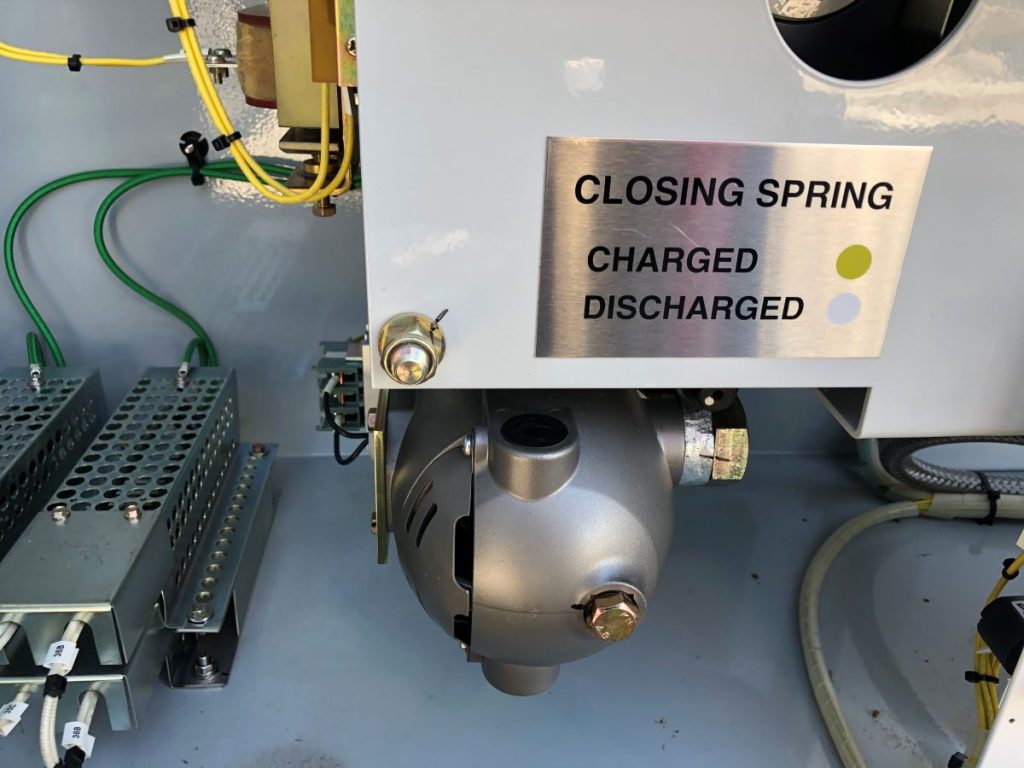
The spring mechanism plays a crucial role in electrical usage monitoring and circuit breaker operation. It stores and releases energy to facilitate the opening and closing of breaker contacts.
Expected Motor Operation
In a typical spring mechanism, a motor is used to charge the closing spring. After the breaker closes, the spring winding motor runs briefly to compress the spring, storing energy for future operations, and ensuring that the breaker is always ready to respond to trip commands, even if the power supply is lost or the motor fails.
Failure Risks
Despite its reliability, the spring mechanism is not without risks. Issues with the motor or winding mechanism can affect the current drawn during operation. If the current is too high or too low, it may trigger alarms, indicating potential problems with the stored energy system. These issues can be particularly problematic in cold weather environments, where adverse effects on the mechanism’s performance are more likely to occur.
Monitoring with BPM
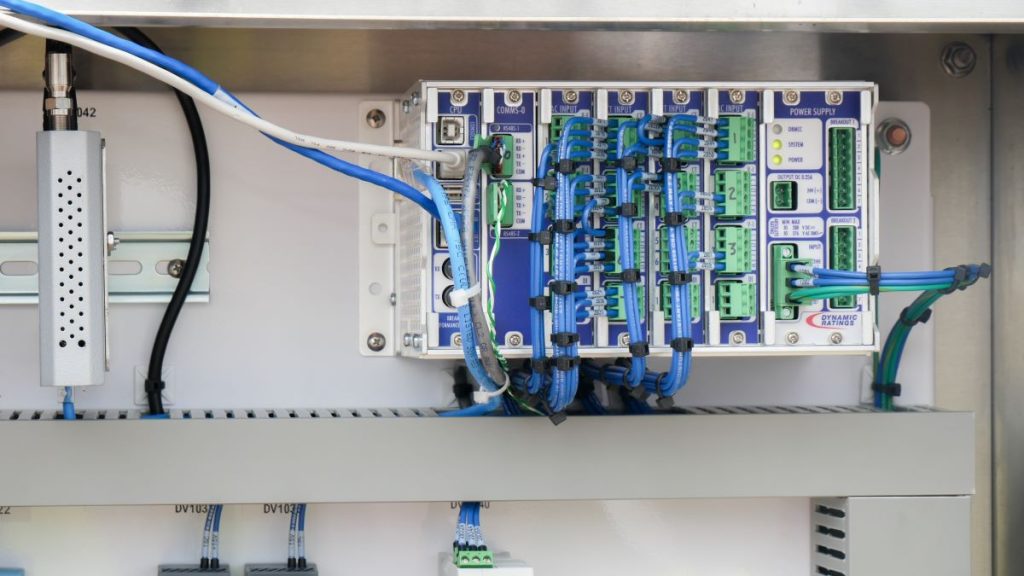
To address these challenges, Breaker Performance Monitors (BPM) have become invaluable tools for implementing predictive maintenance strategies. BPMs are ideally suited for detecting failures before the apparatus is called to operate, providing critical information about the condition of the stored energy system.
Runtime Tracking
One of the key features of our BPMs is their ability to track charging motor runtimes. By monitoring how long the motor runs to charge the spring, asset managers can gain insights into the health of the stored energy system. This information is particularly valuable because it cannot be obtained from reactive logging devices such as microprocessor-based protective relays.
Excessive Motor Run Reporting
BPMs also offer the capability to report excessive motor run times. This feature is crucial for identifying potential issues with the spring mechanism before they lead to breaker failures. By alerting asset managers to abnormal motor operations, BPMs enable timely interventions and help prevent costly downtime.
Importance of Asset Condition Awareness
Asset condition awareness plays a crucial role in electrical usage monitoring and maintaining the reliability of power systems.
Detailed Diagnosis
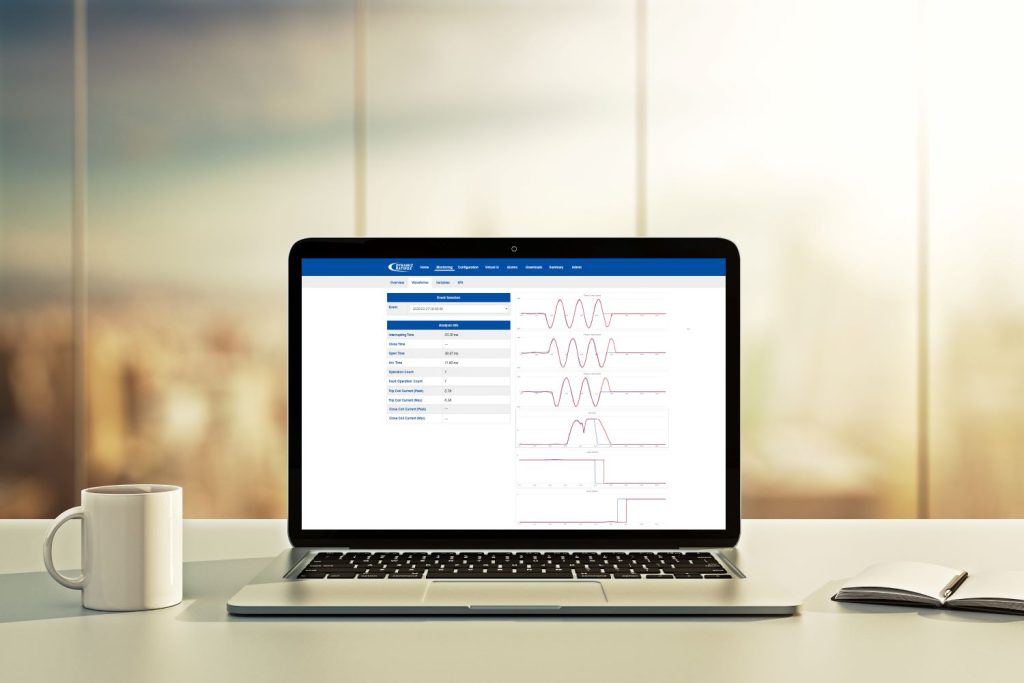
Comprehensive diagnosis of circuit breakers’ mechanical and electrical systems provides valuable insights into their condition. Advanced monitoring systems utilize waveform analysis for automated graphical comparison of breaker operations, offering a detailed analysis of first trip open and close times, identification of latch and bearing performance, lubrication issues, auxiliary contact condition, and fault current values.
Effective Monitoring
Continuous monitoring of critical parameters enables condition monitoring systems to identify potential issues early on. This proactive approach allows operators to schedule maintenance based on actual equipment conditions rather than fixed time intervals, optimizing maintenance efforts and minimizing the risk of unexpected failures.
Online monitoring systems provide real-time data on circuit breaker health, allowing asset managers to implement preventive maintenance schedules effectively. This targeted approach not only optimizes maintenance efforts but also improves productivity and reduces energy consumption.
Alarm Functions
The BPM incorporates alarm functions to alert maintenance teams of potential issues. For example, an alarm can be issued if a motor run occurs when the air system is above the cut-on pressure or if a motor continues to run after the cutoff pressure has been reached. These alarms enable quick response to abnormal conditions, preventing damage to the system and ensuring optimal performance.
Compressor Temperature Monitoring
The BPM also allows for monitoring of the compressor temperature, providing an alarm if the temperature exceeds a set percentage of the OEM’s recommended maximum temperature rating. This feature helps prevent overheating and potential damage to the compressor, contributing to the overall reliability of the pneumatic system.
Reliable Data
The reliability of data collected through advanced monitoring systems is crucial for effective electrical usage monitoring. The Breaker Performance Monitor provides critical information concerning breaker conditions, making the cost of monitoring not only worthwhile but necessary.
By leveraging reliable data, utilities can implement condition-based maintenance strategies, which offer excellent opportunities to improve reliability and cut costs. This approach requires effective diagnostic methods to ascertain the condition of circuit breakers through testing and inspection. The results, supplemented with statistical data and cumulative experience, are then used to plan maintenance for the circuit breaker in question.

Transformer Monitoring
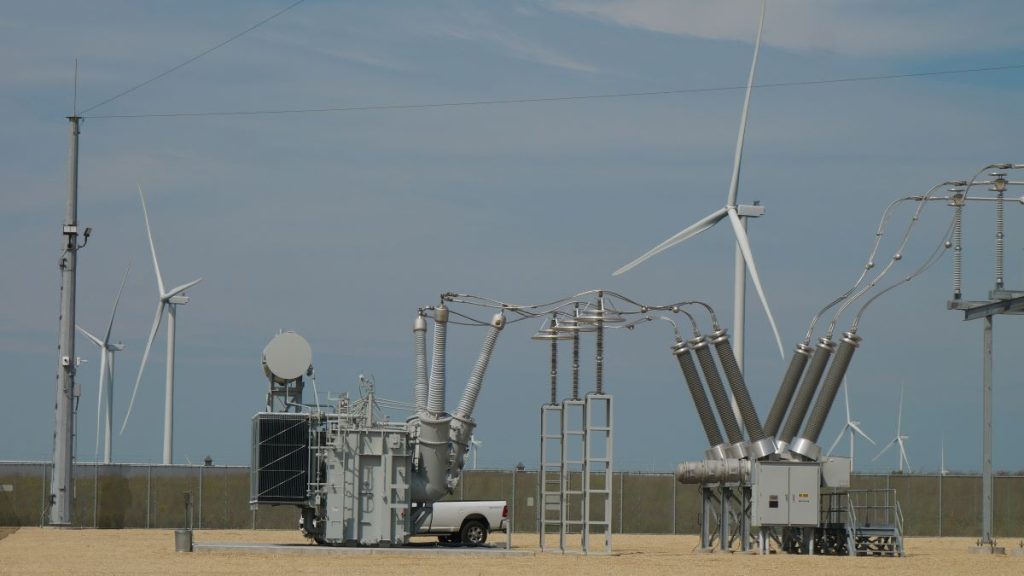
The potential consequences of an unexpected transformer failure can be catastrophic, yet many of these failures are preventable. The reliability of a transformer is only as strong as its weakest component.
Transformer monitoring systems actively track various operational characteristics, including electrical usage monitoring to ensure proper operation. These monitors collect data and generate alarms to alert users to irregularities, monitoring critical aspects such as the cooling system, load tap changer, dissolved gas levels, bushing power factor and capacitance, partial discharge, oil levels, pressure, temperatures, and more.
The Superiority of Breaker Monitoring for Asset Management
Breaker monitoring systems significantly surpass traditional protective relays in asset management by providing real-time insights into the true condition of circuit breakers and allowing for condition-based maintenance. The continuous evaluation enables utilities to detect potential issues before they escalate into failures, ultimately preventing costly downtime and enhancing operational reliability.
Embracing advanced monitoring technologies is essential. Leverage the best digital asset management software and monitoring system technology for a more proactive stance in electrical system maintenance and asset management today.
Dynamic Ratings offers a variety of transformer monitors designed to fit your specific needs. Before selecting a monitor, you must identify which aspects of the transformer you want to track. Contact us to determine what transformer monitoring solution matches your organization’s specific needs.
Author: Tyler Willis, Dynamic Ratings