If you spend enough time working with transformer monitoring systems or broader asset monitoring programs, one thing becomes clear fairly quickly. Collecting data is no longer the challenge. Most utilities today have access to large volumes of condition data across their assets. The real challenge lies in interpreting that data, understanding what it means in context, and determining when it is actually signaling risk.
This is where end-to-end monitoring becomes critical. It shifts the focus from simply measuring asset conditions to understanding how those conditions evolve over time and how to act on them. More importantly, it introduces the idea that monitoring is not a one-time installation, but a continuous process that supports decision-making throughout the entire asset lifecycle.
End-to-End Transformer Monitoring Across the Entire Asset Lifecycle
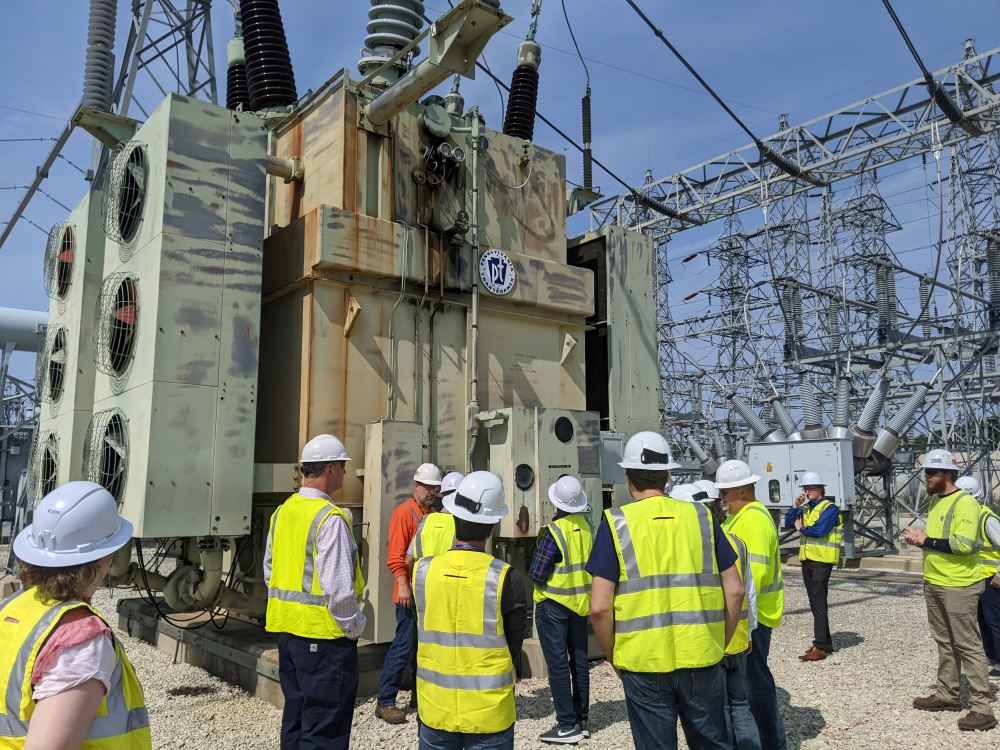
End-to-end monitoring solutions are built around a simple concept. Asset performance should be evaluated continuously, not periodically. Rather than relying on isolated measurements or scheduled testing, online monitoring provides real-time visibility into transformer, circuit breakers, switchgears and other electrical assets’ behavior as operating conditions change.
This means integrating data across multiple subsystems—such as bushings, OLTCs, cooling systems, insulation—and evaluating how these parameters interact over time. Transformers and associated assets rarely fail due to a single issue. Failures typically develop through combined thermal, electrical, and mechanical stress that accumulates over months or years.
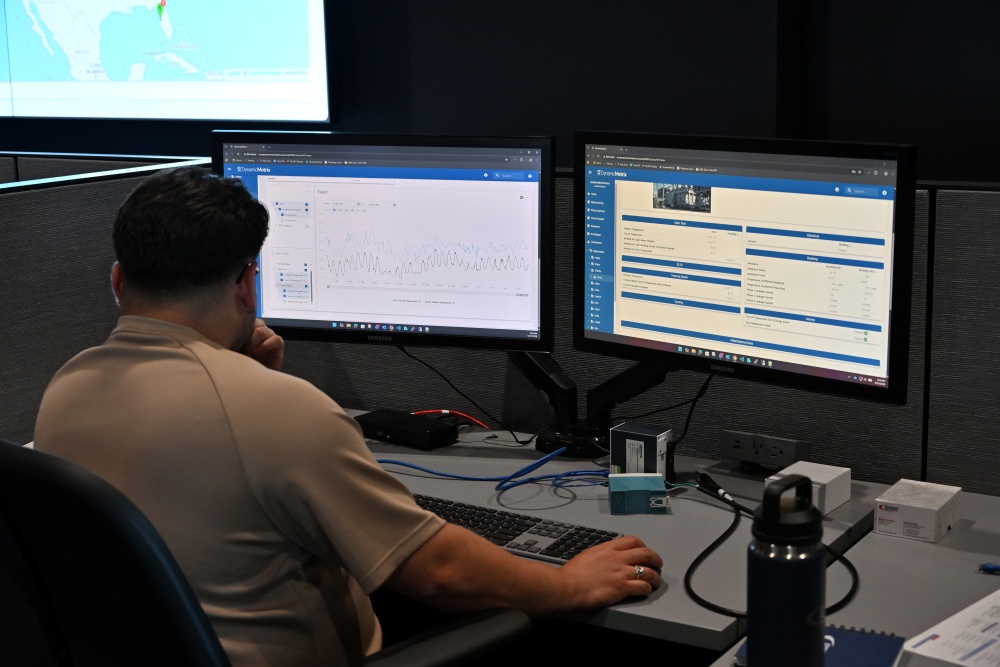
For example, a transformer may operate within acceptable temperature limits while experiencing elevated electrical stress from harmonics or repeated fault events. At the same time, early insulation degradation or partial discharge activity may develop without triggering immediate alarms. Without continuous monitoring, these signals may go undetected until the condition becomes critical.
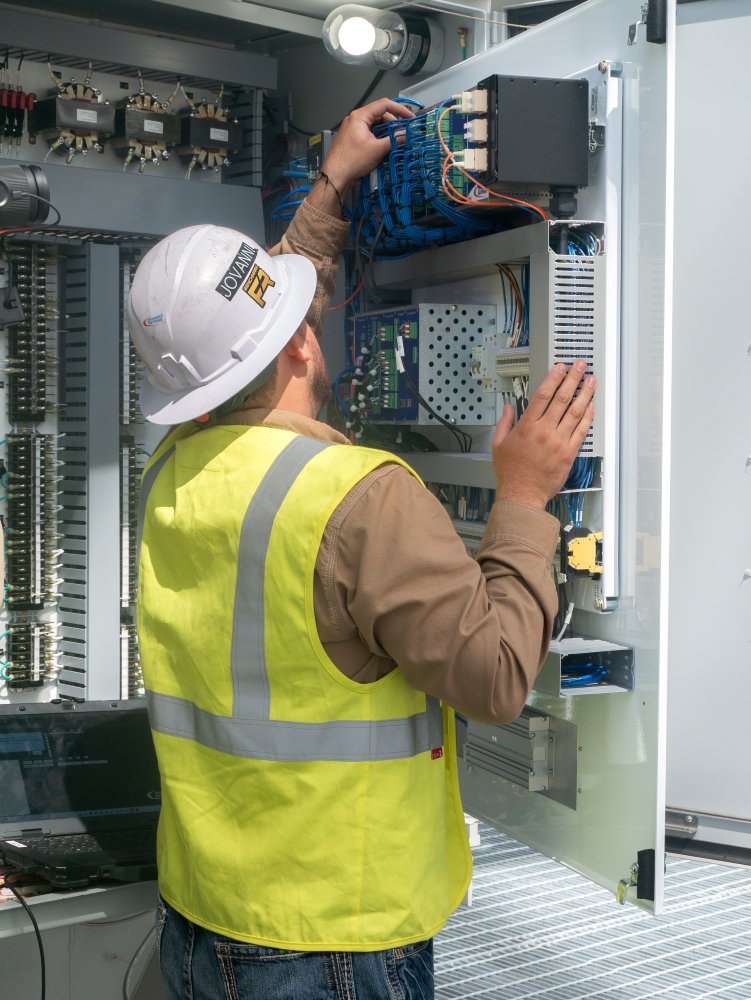
End-to-end monitoring solutions provide the visibility needed to detect these patterns early. More importantly, they allow utilities to transition from reactive maintenance strategies to condition-based decision-making, empowering utilities to extend asset life, reduce unplanned outages, and improve overall reliability.
Why Monitoring Technology Alone Is Not Enough
Effective monitoring does not stop once the system is installed. The value of an end-to-end solution depends heavily on how the data is interpreted, how alerts are managed, and how insights are integrated into maintenance and operational workflows. This is where ongoing support becomes a defining factor.
Turning Monitoring Data into Actionable Asset Management Decisions
Our LIFESTREAM Support Services are designed to bridge the gap between data and action. Through diagnostic support, condition assessments, training, and guidance on alarm response strategies, utilities gain the tools needed to make informed decisions throughout the life of the asset. This is where monitoring becomes more than a system; it becomes part of a long-term asset management strategy.
But technology and support services are only part of a successful monitoring program. Utilities also benefit from learning how other organizations are applying monitoring data to solve real-world operational challenges.
How User Group Meetings Improve Transformer Monitoring and Asset Management Strategies
As monitoring strategies mature, the need for ongoing collaboration and knowledge-sharing becomes increasingly important. User Group Meetings play a key role in supporting this continuous improvement process.
While monitoring technology provides the data, User Group Meetings help utilities understand how to use it more effectively. They offer a forum where real-world applications of end-to-end monitoring can be explored, compared, and refined across different operating environments.
From Monitoring Data to Real-World Operational Insights
Rather than focusing on system capabilities alone, these meetings emphasize how monitoring systems perform in the field. Discussions are centered on real-world scenarios—how data is interpreted across multiple subsystems, how condition trends translate into maintenance decisions, and how commissioning and configuration impact data quality and reliability.
Attendees can expect technical sessions that examine:
- How monitoring data is analyzed and correlated across transformer subsystems
- How case studies translate trending data into actionable maintenance strategies
- How utilities are addressing challenges such as harmonics, load variability, and aging infrastructure
- How monitoring outputs are integrated into asset management and decision-making workflows
These sessions are grounded in real operating conditions, providing insight into how end-to-end monitoring solutions behave over time and not just at a single moment. Beyond the technical presentations, another important benefit comes from the opportunity to collaborate directly with peers facing similar asset management challenges.

The Value of Peer-to-Peer Knowledge Sharing
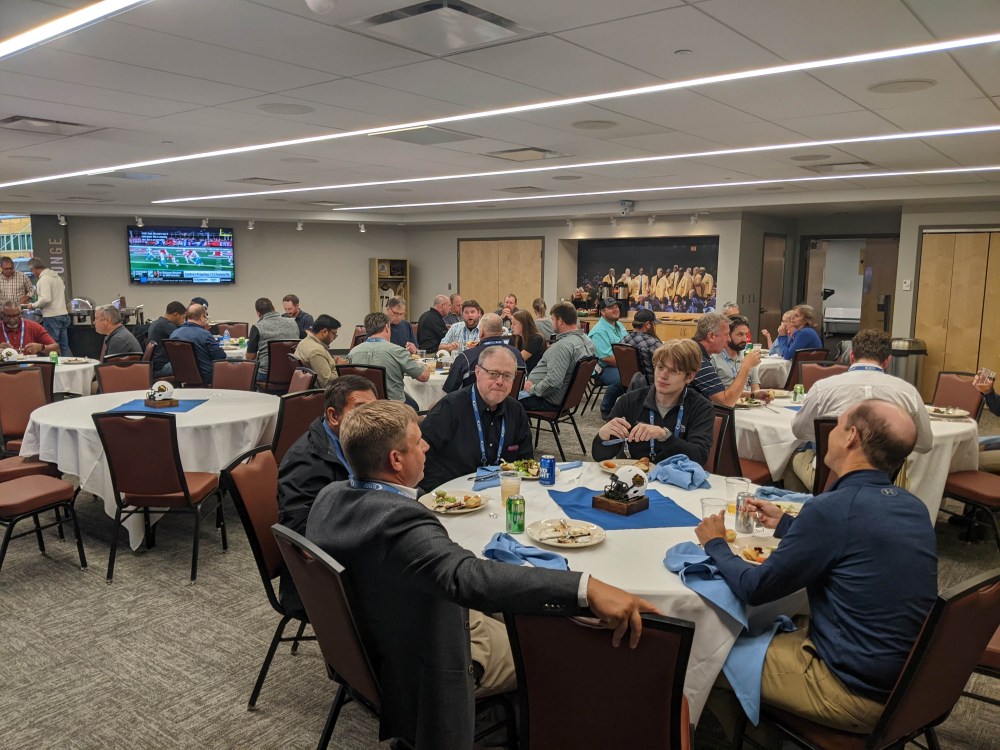
Equally important is the collaborative environment. User Group Meetings are structured to encourage open technical dialogue, allowing participants to question assumptions, share challenges, and exchange practical experience. Utilities gain visibility into how others are interpreting similar data sets, setting thresholds for action, and refining their monitoring strategies based on actual outcomes.
Why Shared Industry Experience Improves Monitoring Outcomes
This exchange is particularly valuable because no single utility encounters every operating condition or failure mode on its own. By expanding that shared knowledge base, participants are better equipped to interpret their own data and apply monitoring insights more effectively.
In this way, User Group Meetings extend the value of end-to-end monitoring solutions beyond installation. They support continuous improvement, ensuring that monitoring strategies evolve alongside changing grid conditions and operational demands.
Building a Stronger Asset Management Strategy Through End-to-End Monitoring
As the power grid becomes more complex, the need for continuous visibility and informed decision-making will only increase. End-to-end monitoring solutions provide the foundation by delivering real-time insight into asset health across the entire lifecycle. Ongoing support and collaboration ensure that this data is translated into effective action.
User Group Meetings are a key part of that process. They bring together asset managers, engineers, and monitoring experts to share experience, refine strategies, and strengthen how monitoring is applied in the field.
Register for our North America 2026 User Group Meeting Today
Our NA 2026 User Group Meeting is September 14–16 at Dynamic Ratings Headquarters in Sussex, WI, hosted by WE Energies.
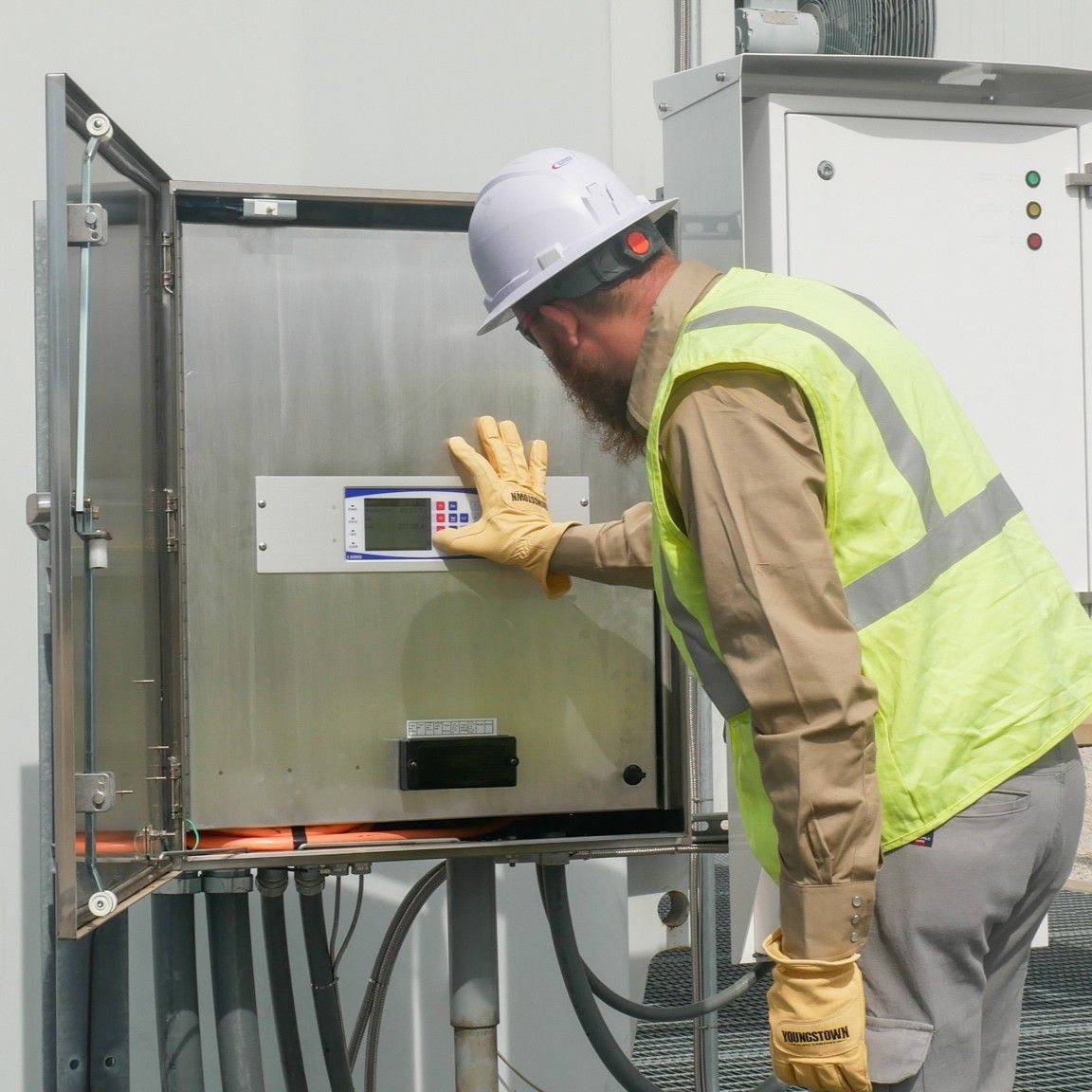
User Group Meetings (UGM) are a free opportunity for customers and Dynamic Ratings personnel to come together to collaborate about industry issues, attend trainings, and share important monitoring feedback. Through our expert-led sessions, customer-driven discussions, and networking opportunities, we provide space to connect and contribute, helping to improve our monitoring solutions to meet your needs.
Register today to claim your spot and learn more about our online monitoring solutions.
Author: Katie Panke, Dynamic Ratings