
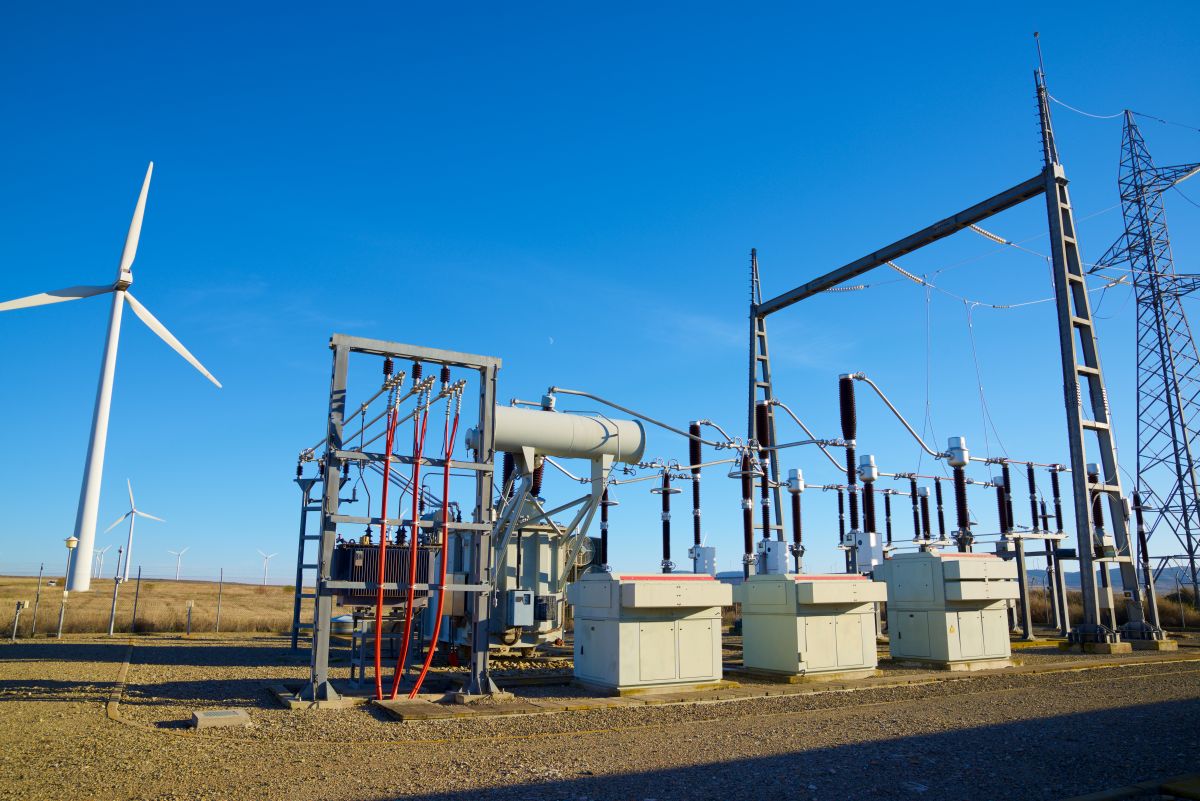
The transition to wind and solar power has led to significant changes in the way electrical power is generated, transmitted, and distributed. Large-scale integration of renewable generation has altered power system dynamics, introducing new operating conditions across the grid. As a result, the stability utilities once took for granted can be challenged by voltage disturbances, harmonics, and other power quality issues that create stresses on high-voltage power equipment not commonly encountered in traditional generation environments.
These changing grid conditions are also reshaping how transformers age and fail. As utilities continue expanding renewable generation, long-held assumptions about transformer loading, insulation aging, and failure mechanisms are proving increasingly unreliable. Equipment that appears lightly loaded or thermally compliant may still experience accelerated insulation degradation driven by electrical stressors that traditional asset management approaches were never designed to identify or quantify.
Drawing from a recent webinar, The Renewable Shift: Managing New Stressors and Preventing Equipment Failure, this article examines how inverter‑based renewable generation is introducing new stress mechanisms that impact GSU transformer reliability.
Why Transformer Failure Modes Are Changing in Wind and Solar Applications
Industry failure data consistently show that bushings, windings, and associated insulation systems remain the most common transformer failure points. In renewable applications, however, the drivers of those failures have changed.
Traditional GSUs connected to machine‑based generation typically operate under steady loading profiles governed by mechanical inertia. Electrical stresses are generally limited in magnitude, rate of change, and frequency. Wind and solar GSUs operate very differently.
Inverter‑based generation responds almost instantaneously to changing grid conditions, subjecting transformers to rapid power ramps, fluctuating reactive power flow, frequent switching operations, and persistent voltage variability.
These operating conditions introduce continuous electrical and thermal stresses that accelerate insulation aging. In renewable environments, insulation breakdown has emerged as the dominant driver of transformer failure risk.
How Thermal Cycling and Rapid Load Changes Accelerate Transformer Insulation Aging
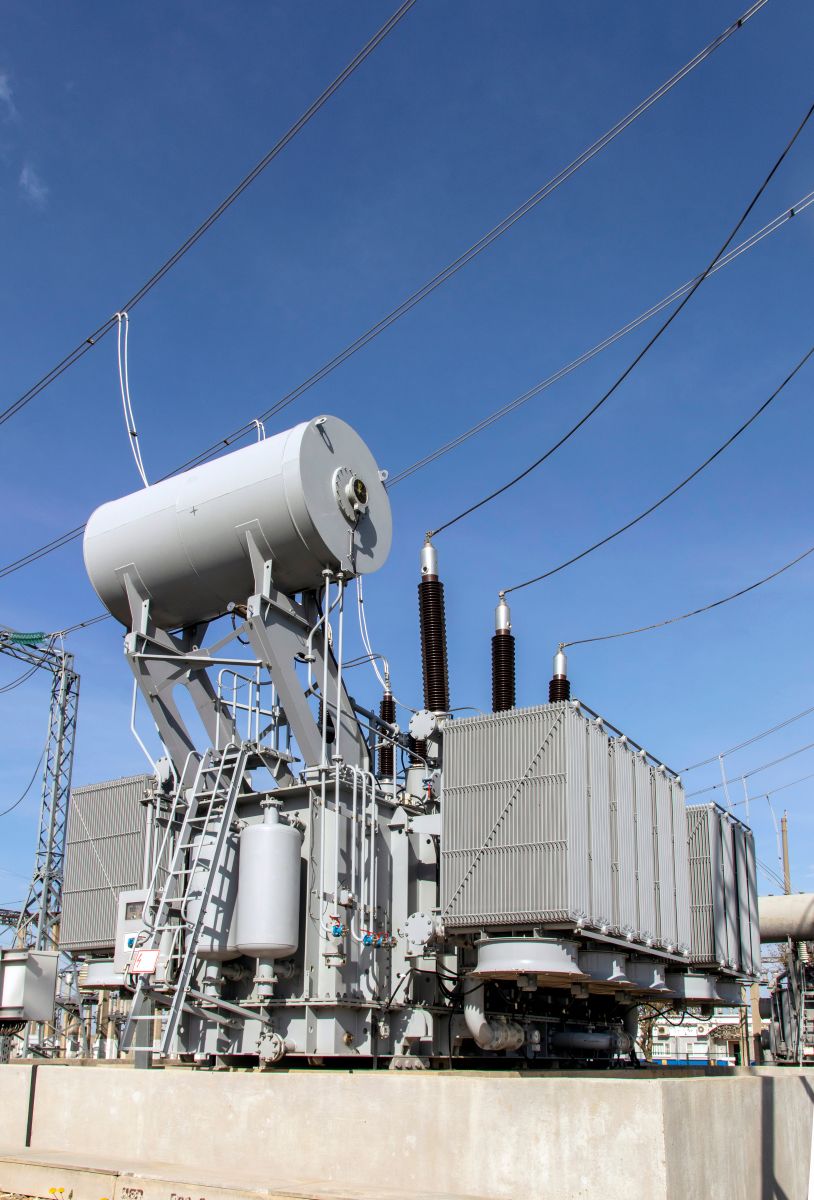
Renewable generation introduces operating profiles that many transformers were never designed to experience continuously. Wind farms can exhibit generation ramps approaching or exceeding 50 MW per minute during startup, shutdown, or rapidly changing wind conditions.

While sustained generation periods may appear relatively stable, the most severe stresses occur during transitions. Rapid ramping imposes aggressive thermal cycling as windings, insulation layers, oil volumes, and mechanical structures repeatedly expand and contract. These fast thermal ramps create higher mechanical and dielectric stress than slow, gradual load changes.
How Rapid Temperature Changes Accelerate Moisture Migration
Over time, frequent thermal cycling accelerates paper insulation aging, promotes moisture migration within oil‑paper systems, and increases susceptibility to partial discharge. Moisture movement within the insulation further weakens dielectric strength and increases temperature dependence, compounding the problem.
As a result, even transformers operating below nameplate ratings can experience premature insulation degradation driven by the frequency and speed of thermal changes rather than overall loading magnitude alone.
How Harmonics Increase Partial Discharge and Transformer Insulation Stress
One of the most common misconceptions in renewable transformer applications is that harmonics are primarily a heating problem. While harmonics can result in increased transformer temperatures, field experience shows their dielectric impact can be far more severe, particularly for transformer insulation systems and bushings.
Inverter‑based generation inherently produces distorted harmonics. Even when harmonic filters are installed, filter performance can degrade over time, allowing harmonic content to increase. As a result, renewable GSUs often operate under conditions that differ fundamentally from the assumptions used in traditional transformer design and diagnostics.

How Harmonics Increase Partial Discharge Activity
From an insulation perspective, the critical issue is not harmonic magnitude alone, but how harmonics affect the rate of voltage rise (dv/dt) experienced by dielectric materials. Partial discharge does not initiate simply at high voltage; it initiates as voltage stress increases within insulation voids.
Under a clean sinusoidal waveform, rising voltage stress occurs only twice per cycle. When harmonics are present, multiple rising stress fronts are introduced within a single cycle. Each rising edge creates an additional opportunity for partial discharge inception, significantly increasing overall dielectric stress well beyond what thermal models alone would predict.
Why Partial Discharge Is Increasing in Renewable GSU Transformers
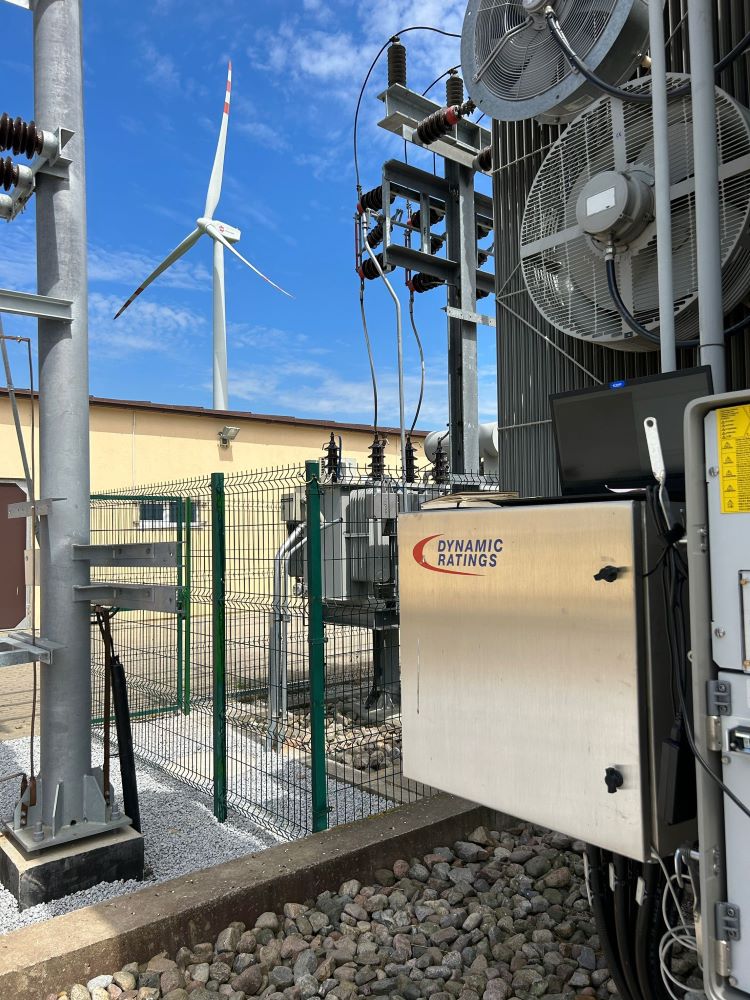
Partial discharge (PD) remains one of the most reliable early indicators of insulation deterioration in power transformers, and inverter‑driven electrical behavior significantly amplifies PD risk in renewable applications.
Harmonic distortion lowers partial discharge inception voltage and increases the number of discharge events per cycle, extending discharge duration. PD activity begins earlier in the voltage cycle, persists longer, and repeats more frequently—even when operating voltages remain within nominal limits.
Over time, sustained partial discharge erodes cellulose insulation and damages oil‑paper interfaces. This accelerates the progression from localized electrical activity to insulation puncture and dielectric failure. Persistent degradation can also increase dissolved gas generation, particularly hydrogen, which helps explain why renewable GSUs may exhibit elevated hydrogen levels despite appearing lightly loaded from a thermal perspective.
Since PD activity tends to increase gradually, it can remain undetected without continuous monitoring, making early detection essential for preventing catastrophic failure.
Why Inverter-Based Systems Create More Transformer Voltage Stress
A defining difference between machine‑based and inverter‑based generation is system response to disturbances. Traditional synchronous generators naturally dampen voltage excursions through mechanical inertia, but inverter‑based systems are highly reactionary.
During faults, inverters rapidly inject reactive current to maintain voltage. When the disturbance clears, this compensation can overshoot, producing steep front voltage transients, higher transient frequencies, and short‑duration over-voltages.
These transients concentrate stress on the first few transformer winding turns and contribute to dielectric aging. While individual events may not cause immediate damage, repeated exposure significantly accelerates insulation degradation and increases partial discharge susceptibility over the transformer’s operating life.
How Online Monitoring Helps Prevent Renewable Transformer Failures
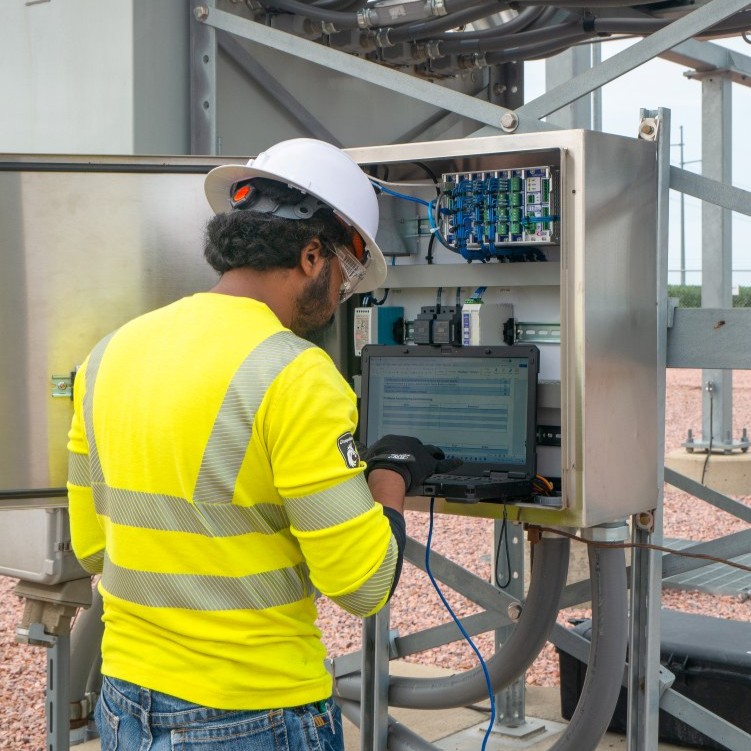
Wind and solar generation introduce continuously changing electrical and thermal conditions that can accelerate insulation degradation even when transformers appear thermally healthy. Capturing these evolving stress mechanisms requires continuous, real-time insight into transformer behavior, underscoring the importance of online monitoring for GSUs connected to inverter‑based renewable generation.
The core shift in transformer management is using continuous, real-time monitoring data to understand how transformers are performing under actual system conditions. Instead of relying on isolated measurements, utilities gain a connected, evolving view of critical performance indicators that reflect real-world loading, environmental stress, and operating behavior.
How Online Monitoring Detects Early Transformer Degradation
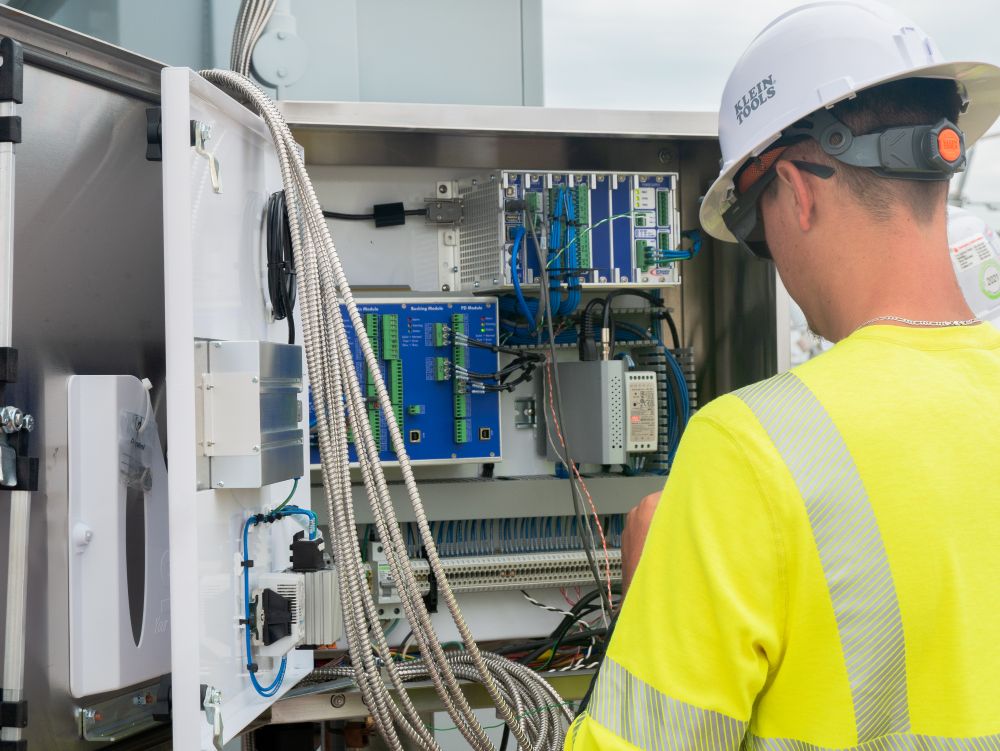
Effective online monitoring enables utilities to observe how harmonics, voltage behavior, temperature, load profile, and partial discharge activity interact over time. In renewable applications, failure mechanisms are often driven by repetition and rate of change rather than isolated extreme events. Online monitoring makes it possible to detect subtle but persistent trends—such as increasing harmonic distortion, rising partial discharge activity, or temperature‑dependent bushing behavior—before they progress into irreversible damage.
By providing continuous, correlated insight into transformer behavior, online monitoring brings these emerging stress mechanisms into clear focus. Rather than assessing conditions in isolation, utilities can see how harmonics, voltage transients, thermal behavior, and partial discharge evolve together under real operating conditions. This systemic visibility is critical for understanding how inverter‑based generation is reshaping transformer risk—and why traditional assumptions about insulation life and reliability may no longer apply.
Why Utilities Must Rethink Transformer Monitoring for Renewable Generation
Inverter‑based renewable generation has fundamentally altered the electrical, thermal, and dielectric stresses experienced by power transformers. Failure mechanisms that once evolved slowly now accelerate under harmonics, voltage transients, aggressive thermal cycling, and reactionary inverter behavior.
Protecting transformer assets in renewable environments requires moving beyond static assumptions and periodic assessments. Utilities must understand not only how much load a transformer sees, but how rapidly conditions change, how often disturbances occur, and how insulation responds to complex waveform stress.
As renewable penetration continues to grow, understanding—and actively monitoring—these evolving failure mechanisms is no longer optional. It is essential for transformer reliability, grid stability, and long‑term renewable integration.
Request a demo to learn how our transformer monitoring solutions can help protect your GSUs and support reliable renewable generation.

Author: Katie Panke, Dynamic Ratings