
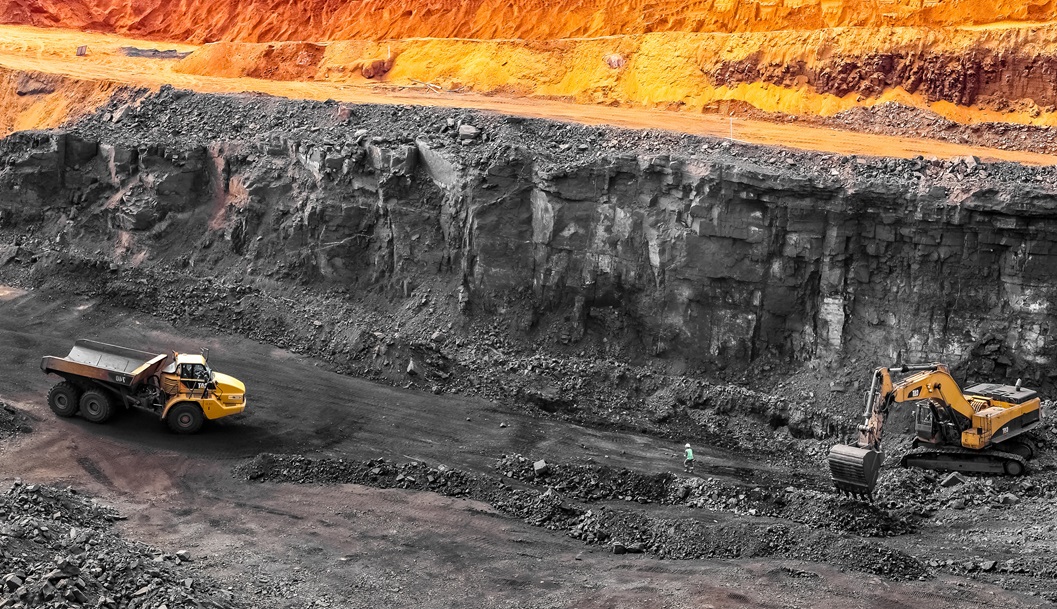
A single transformer failure at a critical or hard-to-access substation, with no redundancy, can halt production at a mine for hours or even days, costing millions in lost revenue and creating further knock-on effects and safety risks that ripple through the entire operation, further reducing potential output.
As mining operations embrace electrification and automation, reliable grid power has shifted from being just another utility service to becoming the backbone of daily operations. The challenge for utilities and mining operators is clear: ensuring grid stability and power quality isn’t just about keeping the lights on but about protecting multi-decade investments, maintaining mining uptime, and ensuring continued safe and efficient operations that these mines depend on.
The Energy-Intensive Nature of Mining
Mining is among the most energy-intensive industrial sectors worldwide; electrical demand is high, dynamic, and tightly linked to overall production output. When a power interruption halts a crusher, mill, or furnace, the consequences cascade quickly into lost production, safety incidents, and increased mechanical and electrical stress on assets and equipment, forced through unexpected shutdowns and restarts.
At the same time, the industry is being pressured to transition away from fossil fuel-based generation energy sources towards renewable energy, locally produced or grid-supplied. This shift is driven by decarbonization objectives, fuel price / availability uncertainty, and an increasingly greater access to renewable energy through utility networks.

As a result, mining operations are more dependent on the performance and reliability of upstream grid infrastructure. Any decline in the condition of grid assets can quickly affect mining operations, creating both downtime and significant cost implications.
Three Critical Power Challenges Facing Mining Operations
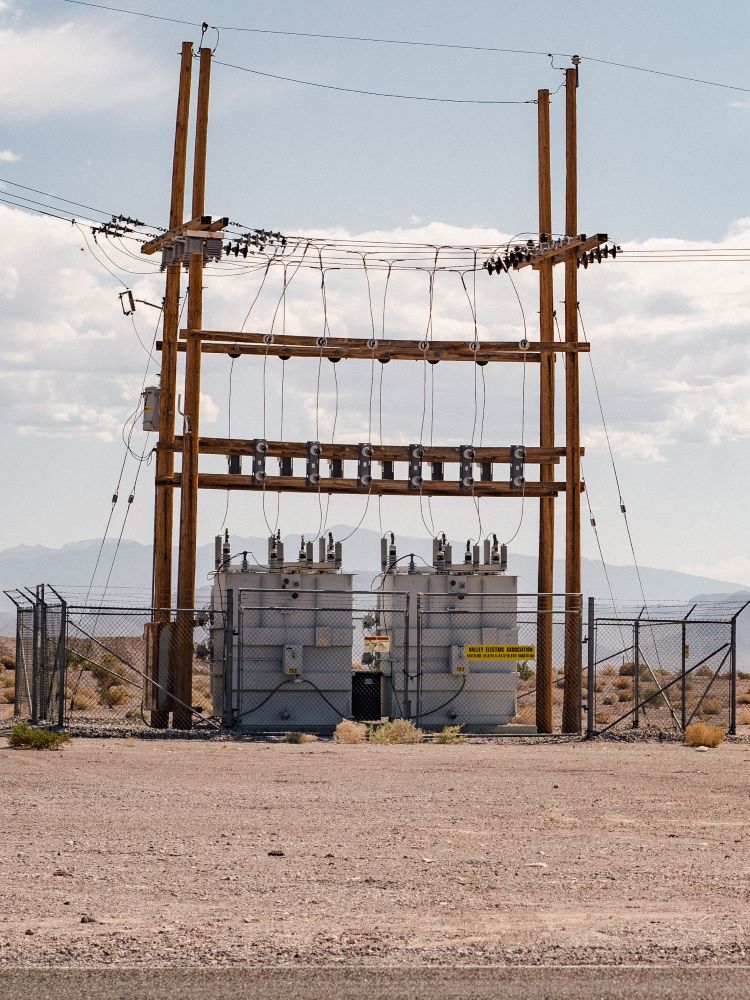
- Remote Locations and Transmission Constraints: Many mines operate in remote or harsh environments where transmission infrastructure is limited, and backup options are few. Long transmission distances become more vulnerable to voltage instability, harmonic distortions, and outages caused by weather events or equipment failures. A supply system that relies on a single incoming circuit provides very little room for unexpected failures.
- Infrastructure Investment and Capacity Limits: Expanding grid capacity to serve new or growing mining loads often requires substantial upfront investment. Power transformers, circuit breakers, and MV switchgear must handle not only traditional loads, but also sudden spike demands without compromising reliability. The challenge is that mining loads don’t just draw power; they create power quality issues that travel back upstream into the transmission system from motor starts, variable frequency drives, and arc furnaces.
- Sensitivity to Power Quality: Mining equipment is highly sensitive to power quality disturbances. Events such as voltage sags, transient overvoltage, and frequency deviations contribute to increased mechanical stress on rotating equipment, accelerated insulation aging in transformers and motors, and reduce overall asset life—often without generating immediate alarms. Over time, these stresses accumulate, gradually undermining reliability and increasing the likelihood of unplanned failures.
The Real Cost of Poor Power Quality in Mining
Brief disturbances from harmonic distortion to frequency can cause nuisance trips, process interruptions, or hidden damage to assets Over time, these repeated electrical stresses take their toll; transformer insulations degrade, circuit breaker contacts erode, and the dielectric strength of insulating fluids decreases. These aren’t catastrophic failures that announce themselves with easily identified warnings, but progressive degradation that quietly have failure mechanisms reduce time-to-failure and unexpectedly result in failures, driving the need for emergency repairs at the worst possible moments.
For utilities, grid stability is equally important. A transformer failure or breaker misoperation on their network, doesn’t just take down the mine, but it cascades to the surrounding customers, triggering regulatory investigations and damage to the utility’s reputation. The stakes are high on both sides of the meter, which is why preventing power quality issues and equipment failures is essential to maintaining reliable operations.
Why Substation Reliability Is Essential for Mining Uptime
Substations are the physical connection point between the grid and mining operations, and often the first place where problems reveal themselves.
In mining applications, substations are subjected to operating conditions that push assets hard. Transformers, breakers, and auxiliary equipment often run at high utilization, experience frequent load swings driven by production cycles, and operate continuously in harsh environments characterized by dust, heat, vibration, and limited access. Any degradation within these assets directly impacts power quality and availability at the mine, making substation reliability a foundational requirement for safe and efficient operations.
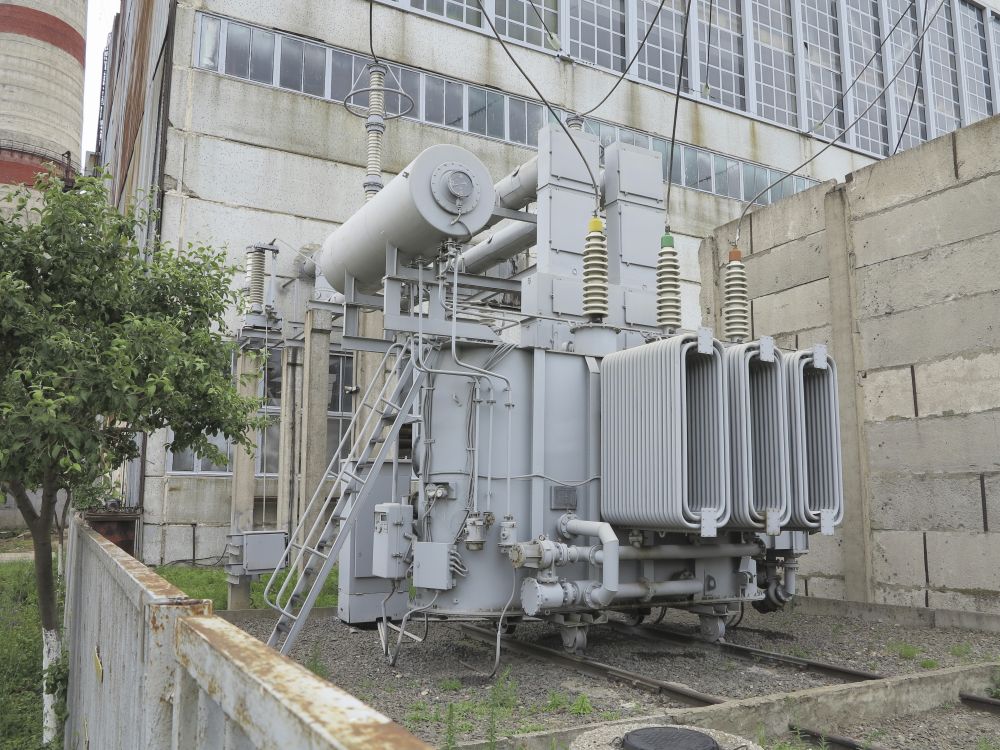
Despite their critical role, substation assets have historically been maintained using time-based inspection and offline maintenance programs; routine maintenance activities—performed quarterly, annually, or on multi-year cycles—are designed around assumed aging rather than actual operating condition. While these tests can confirm basic functionality at a moment in time, they provide only a snapshot of asset health and often miss degradation that develops between inspection intervals.
Many failure mechanisms affecting transformers, breakers, and insulation systems are progressive and intermittent. Thermal stress, electrical aging, and mechanical wear do not advance on a fixed schedule, and early indicators may miss or not be present during scheduled tests. As a result, assets can appear healthy during routine maintenance while underlying issues continue to evolve unnoticed.
How Condition-Based Monitoring Prevents Unplanned Mining Outages
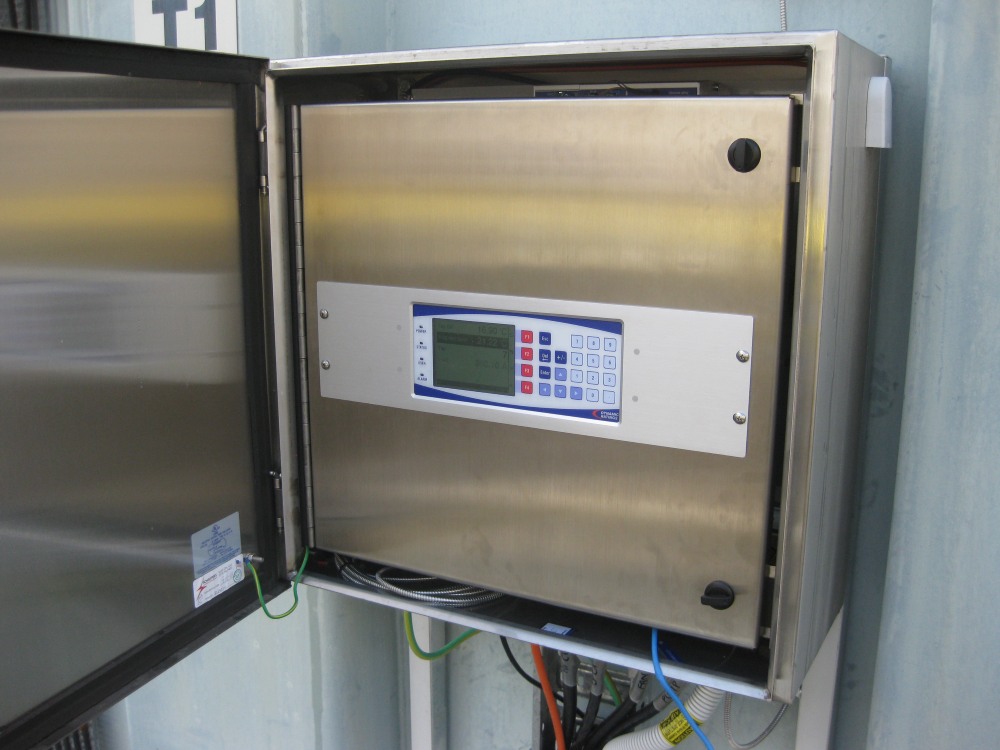
Condition-based monitoring transforms substation management by replacing periodic, time-based assessments with continuous, real-time visibility into asset health. Online monitoring solutions provide utilities and mining operators with direct insight into how critical substation assets are performing under operating conditions, capturing early indicators of degradation that traditional, time-based maintenance programs often miss.
Continuous monitoring of transformers, breakers, and auxiliary systems allow asset managers to detect emerging issues as they develop, not after a failure has occurred. Key parameters such as dissolved gas trends, bushing capacitance and power factor, transformer thermal behavior, motor currents, and breaker timing and contact wear are tracked in real time. When this data is combined with advanced analytics, asset managers can understand the subtle changes that indicate significant insulation degradation, potential overheating, or incipient mechanical stresses long before traditional tests would identify a problem.
With this level of visibility, maintenance actions can be targeted, timely, and risk-based, estimating remaining useful life and prioritizing maintenance based on actual asset condition rather than age alone. For mining operations that depend on continuous, high-quality power, this translates into fewer unplanned outages, extended asset life, and more predictable production planning, reducing operational risk while strengthening the reliability of the grid to mine interface.
Extending Transformer Life While Reducing Mining Operational Risk
Extending the life of power transformers and substation equipment while maintaining reliability is a strategic priority for both utilities and mining companies facing budget constraints and rising demand.
With 24/7 visibility into your assets, organizations can make informed, knowledge-driven decisions rather than relying on assumptions. This enables deferred replacement of assets that are still performing well, targeted capital investment where the actual risk is greatest, and justification of expenditures based on measured performance rather than conservative estimates.
This data-driven approach is especially valuable in situations where teams must maximize the value of existing infrastructure while meeting the increasing demands of electrification and high-load mining operations. Instead of reacting to failures or over-investing in over-specified or even incorrectly specified assets, utilities and mining operators can proactively optimize asset life and reliability—turning visibility into actionable decisions.

Building Stronger Utility-Mining Partnerships Through Data Visibility

Reliable power for mining operations isn’t the responsibility of a single organization. It requires close collaboration between asset managers and mining operators. As mining becomes more electrified and dependent on grid-supplied power, this partnership becomes even more critical. Utilities need to ensure grid stability and transformer health, while mining companies need to understand how their load characteristics impact the system.
By implementing condition-based monitoring and leveraging real-time data, utilities and mining companies can move from reactive maintenance to proactive asset management, extending equipment life while reducing risk.
The path forward requires partnership, visibility, and a shared commitment to building resilient electrical infrastructure that supports mining operations not just today, but for decades to come.
The next step? Reach out to your local power provider about how you can work together to better support the grid, improve reliability, and ensure long-term operational success. Download our free checklist of key questions to guide the conversation and make sure your site is prepared for whatever comes next.
Author: Katie Garland, Dynamic Ratings