
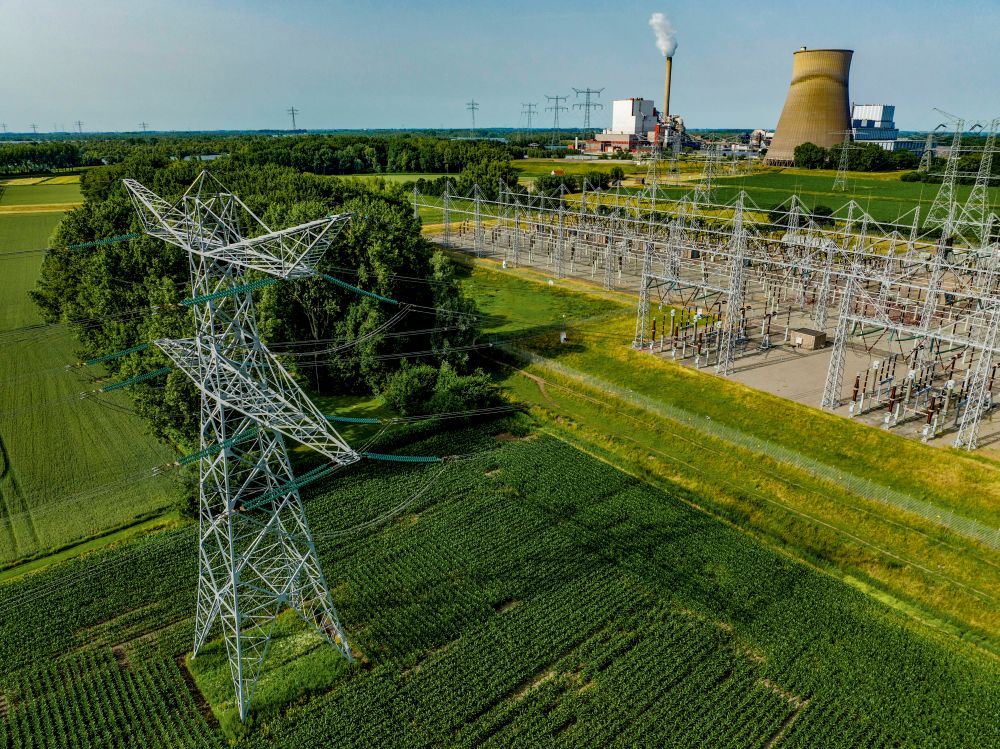
System operators are tasked with a continual balancing act of matching supply with demand in real time. When available transmission capacity falls short of electricity demand in specific areas, grid congestion occurs.
Our historic grid infrastructure was never designed for the energy landscape we are operating in today. The backbone of our transmission system was built for predictable, centralized generation from fossil fuel plants and nuclear facilities. These demand patterns were predictable and recognizable. Now, the grid faces a variety of different generation sources that strains the consistent power flow that it was built on.
What’s Causing Grid Congestion?
Today’s grid faces variability from multiple directions simultaneously creating unprecedented grid congestion across the industry.
Renewable Integration: The rise of wind and solar is transforming our generation mix, but intermittent output and bidirectional power flows strain existing infrastructure. Fluctuating supply creates congestion, voltage instability, and equipment overloads, while retiring thermal plants adds new frequency and voltage concerns. These dynamics increase uncertainty in grid operations, complicating planning and day-to-day management.
EV Charging Infrastructure: The rise of electric vehicles is creating sudden demand spikes that older load forecasting models weren’t built to handle. When a whole neighborhood plugs in their cars after work, local distribution systems can experience sharp surges that ripple across regions. This concentrated charging load puts extra stress on transformers and the grid, making it more challenging to keep power steady and reliable.
Data Centers and Ai: Artificial intelligence is fueling the rapid growth in data storage and processing. Data centers with their servers and cooling systems also consume electricity at levels comparable to small towns. This concentrated load contributes to congestion, voltage fluctuations, and equipment stress on local grids. As Ai adoption and data center deployment accelerate, the impact on grid stability and infrastructure reliability intensifies.
Aging infrastructure: Most transmission lines in service today were built decades ago, designed for older load patterns and generation sources. Upgrades require substantial capital investment, permitting processes extend timelines by years, and demand growth shows no signs of slowing. Asset managers must then push decades-old infrastructure to handle electrical loads it was never designed to support.


Why Inaction Is Expensive
One out of every 200 transformers experiences a major failure each year, and 30% of transformers that fail are beyond repair. When a critical transmission transformer fails, replacement equipment often carries lead times measured in years, leaving many customers in the dark. During that gap, system operators must work around capacity constraints to supply customers with power from another transformer, creating cascading congestion issues that ripple across interconnected regions.
When transmission lines are congested, utilities must dispatch more expensive generation instead of cost-effective alternatives, driving up prices for consumers. This corresponds to the increase to consumer electrical bills, yet electricity is needed. As more and more demands strain the grid, transmission operators will dispatch more electricity, even if the cost increases.
This congestion creates operational inefficiencies and complicates long-term planning for a reliable, resilient grid. As demand growth outpaces infrastructure investment, the capacity gap widens, creating a vicious cycle where congestion begets more congestion.
Extend Transformer Life and Reduce Grid Congestion
Transformers are often the limiting factor in congested networks, and many are operating well beyond their original design assumptions. With replacement lead times extending into years and demand accelerating from electrification, renewable integration, and data center expansion, extending transformer life has shifted from maintenance practice to capacity imperative.
Condition-based monitoring enables utilities to safely extract more value from existing transformers without compromising reliability. By understanding real-time thermal, electrical, and environmental stresses, asset managers can defer premature replacements, avoid emergency failures, and preserve scarce capital for truly unavoidable upgrades. Every year of extended transformer life translates directly into congestion relief by maintaining local capacity that would otherwise be lost.
Real-Time Monitoring: Eliminating Operational Blind Spots
Traditional maintenance practices rely on periodic testing and conservative assumptions, leaving long periods where assets operate without visibility. Without real-time asset data, many substation assets age faster than expected due to undetected issues that develop between periodic offline tests. These blind spots force operators to limit loading or reroute power unnecessarily, contributing to congestion and higher operating costs.
Online monitoring replaces assumptions with real-time intelligence. By tracking load behavior, temperature trends, and critical operating parameters, operators can confidently assess the lifespan of an asset and its limits. This allows transformers to be utilized more effectively by preventing overloads and ensuring available capacity is used where and when it is needed most.
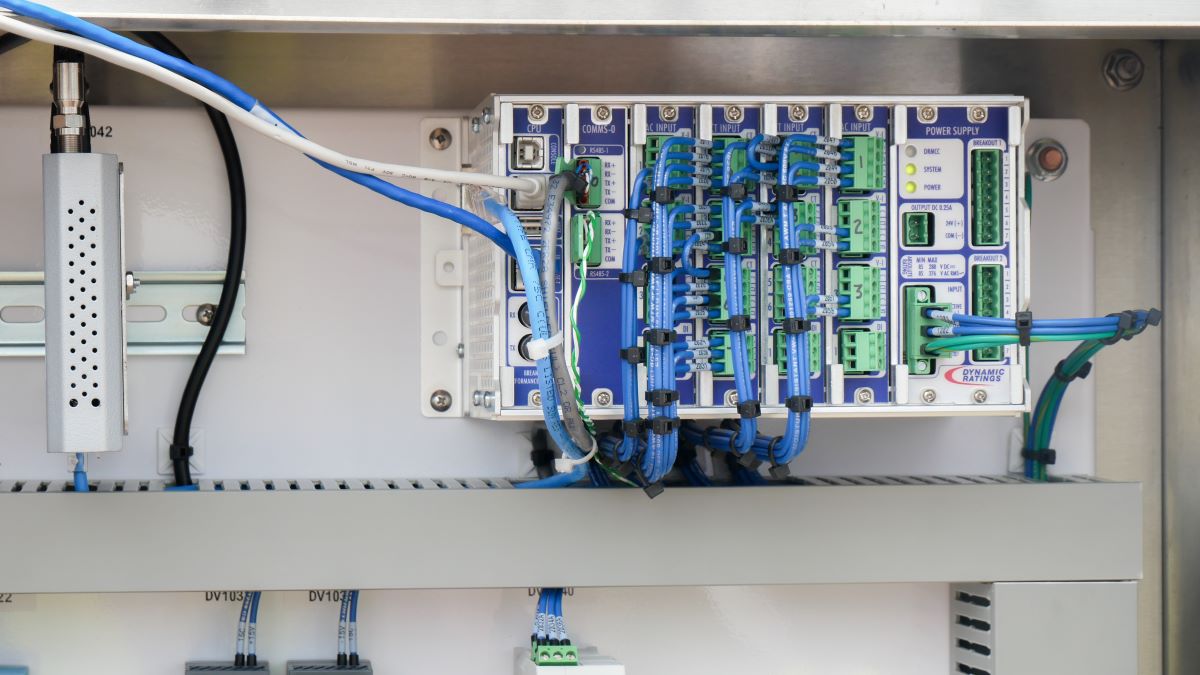
Timely identification of patterns or indicators of potential failures enables operators to take immediate corrective actions. By detecting deviations from normal operations with online monitoring alarms, small issues can be addressed before they escalate into equipment failures. This prevents forced outages that would otherwise worsen grid congestion and disrupt system operations.
Preventing Equipment Stress Through Early Detection
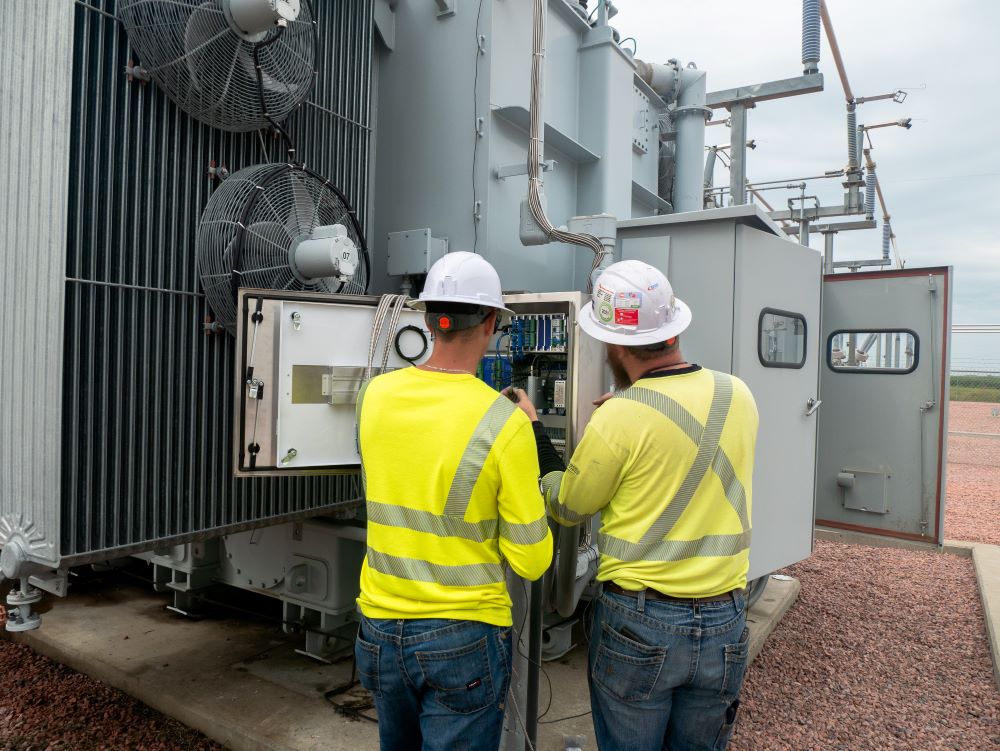
Advanced monitoring systems act as a defensive layer for the grid. When temperature spikes, voltage anomalies, or abnormal operating patterns occur, alarms provide immediate awareness, allowing operators to act before equipment reaches critical stress levels.
This early intervention capability directly supports congestion management. When assets approach concerning thresholds, operators can adjust power flows, activate demand response programs, or implement contingency plans in real time, avoiding emergency conditions that restrict transfer capability and drive congestion costs higher.
Predictive Analytics: Turning Data into Actionable Congestion Relief
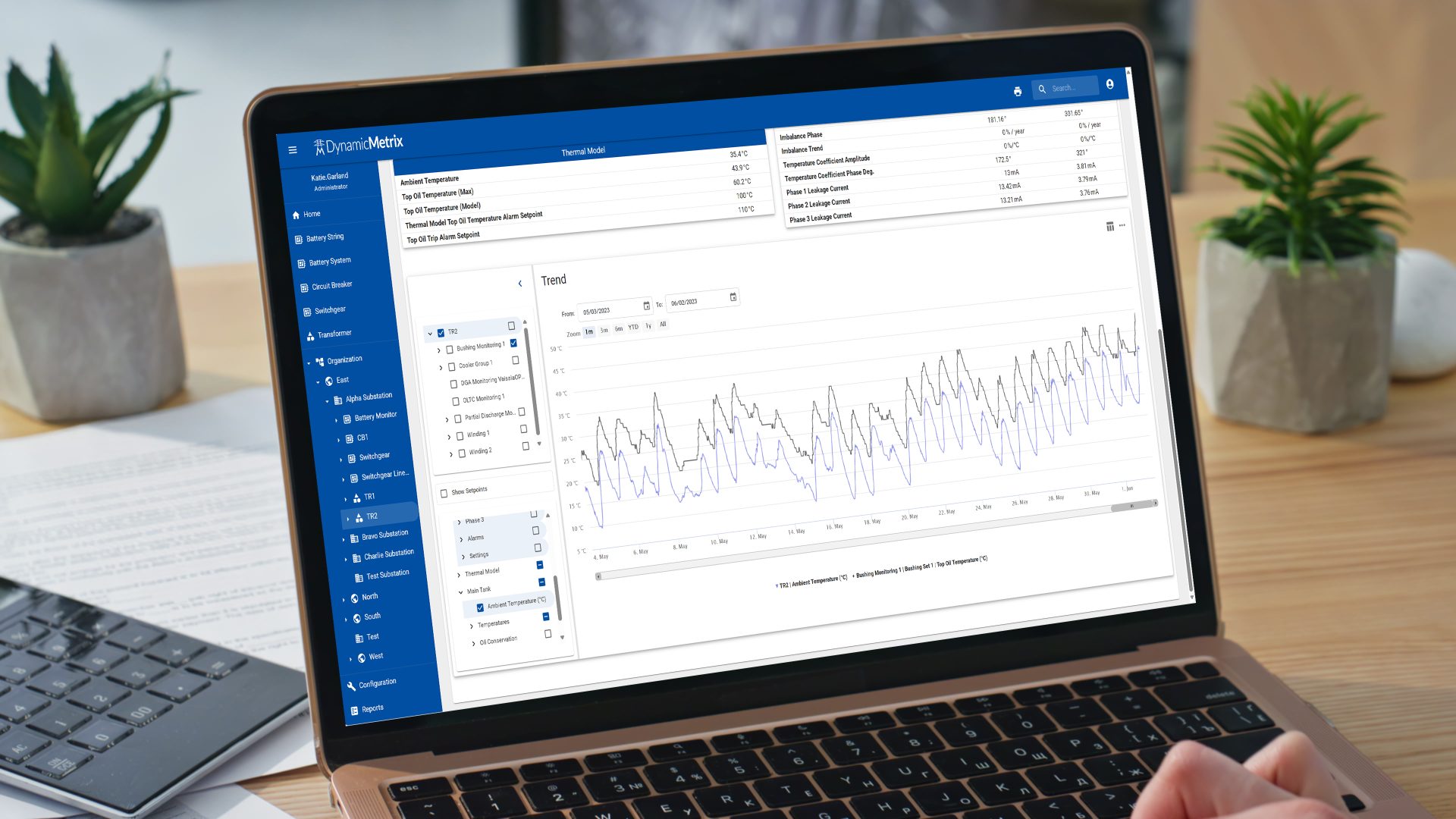
Data alone does not solve congestion, but actionable insight does. Predictive analytics establish performance baselines for individual assets and identify deviations that signal developing issues. Compared to reactive maintenance, data-driven monitoring and analytics are significantly more cost-effective, enabling utilities to target interventions where they deliver the greatest impact.
Instead of responding to failures during peak demand, asset managers can plan maintenance during scheduled outages, preserving capacity when it matters most. This improves reliability, reduces lifecycle costs, and stabilizes system operations—all while alleviating the operational constraints that drive grid congestion.
How Integrated Asset Management Solves Grid Congestion
The most successful strategies integrate four key elements: strategic transmission investments for long-term capacity, grid-enhancing technologies to maximize existing infrastructure, transformer life extension programs to defer replacements, and monitoring and analytics systems for proactive asset management.

The grid transformation we’re navigating demands this integrated approach. We can’t build new infrastructure fast enough to outpace demand growth, and we can’t afford to let aging assets fail catastrophically. What we can do is leverage technology to extract every possible year of service from existing equipment while making strategic investments in the capacity we’ll need tomorrow.
Grid congestion will continue challenging our industry. The question is whether we address it with the sophisticated tools available today or wait for consequences to force our hand. Contact us to learn how online transformer monitoring can unlock transformer capacity today.
Author: Katie Garland, Dynamic Ratings