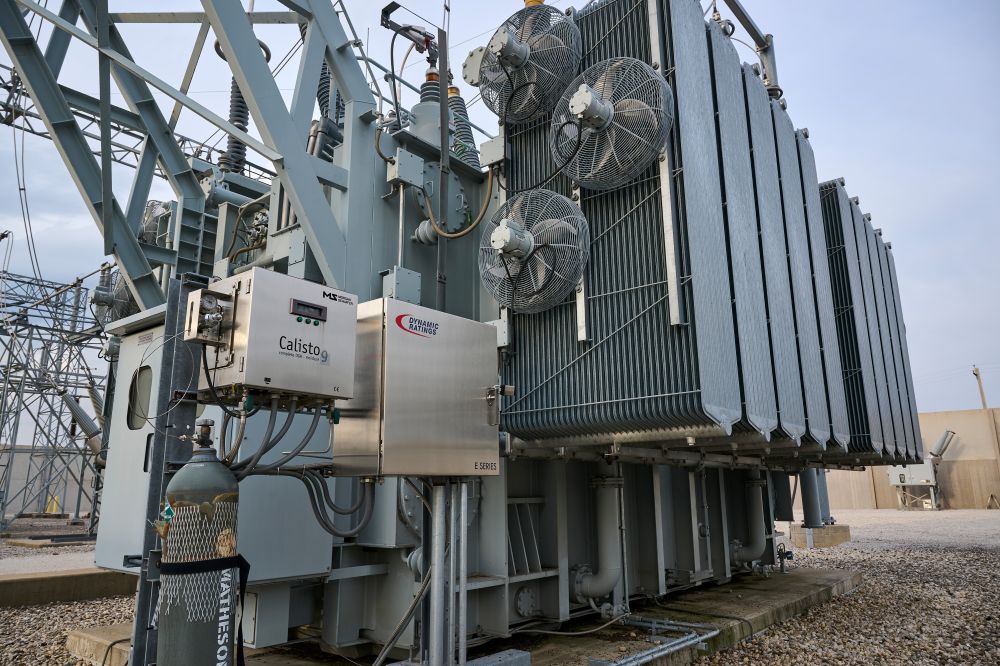
As assets begin to reach a failure-prone age, utilities face a growing wave of outages, costly repairs, and mounting regulatory pressure. Aging assets are silently straining the grid, and expectations for reliability and sustainability continue to rise. Complete equipment replacement may sound logical on paper, but in reality, large-scale replacement programs strain capital budgets, require extended outages, and introduce significant operational complexity.
Retrofit monitoring provides a more strategic path forward, enabling organizations to enhance existing transformers with advanced, data-driven diagnostics. Advanced visibility into transformer health reduces uncertainty, lowers failure risk, and supports compliance and sustainability initiatives. By revitalizing rather than replacing legacy equipment, organizations can improve performance, extend service life, and avoid the disruption associated with large-scale capital projects.
Why Legacy Transformer Infrastructure Needs Attention Now
As assets age, internal degradation becomes more common—insulation weakens, components wear, and the likelihood of unexpected outages increases. While offline testing remains a critical tool, it offers only periodic insight, and failures can still occur in the long intervals between sampling cycles, leaving organizations reacting to events instead of planning ahead.
Many utilities fall into reactive maintenance strategies, addressing issues only after they occur, which drives up repair costs and strains already limited resources. Under growing regulatory pressure to improve asset performance, manage risk, and meet environmental standards, replacing transformer components can appear to be a straightforward fix.
However, replacement rarely solves the underlying challenges. Ongoing supply chain constraints, raw material volatility, manufacturing backlogs, logistics complexity, and quality variability often delay projects and inflate costs—making component replacement far less practical than it initially seems.
How Dynamic Ratings Retrofits Existing Transformer Infrastructure
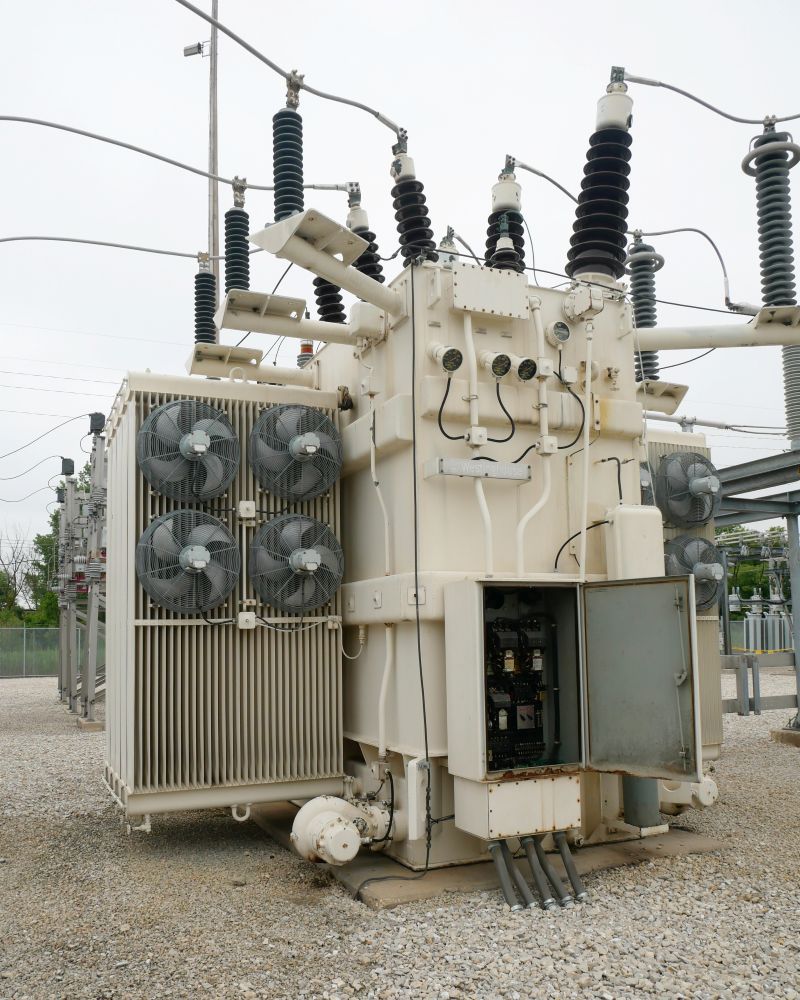
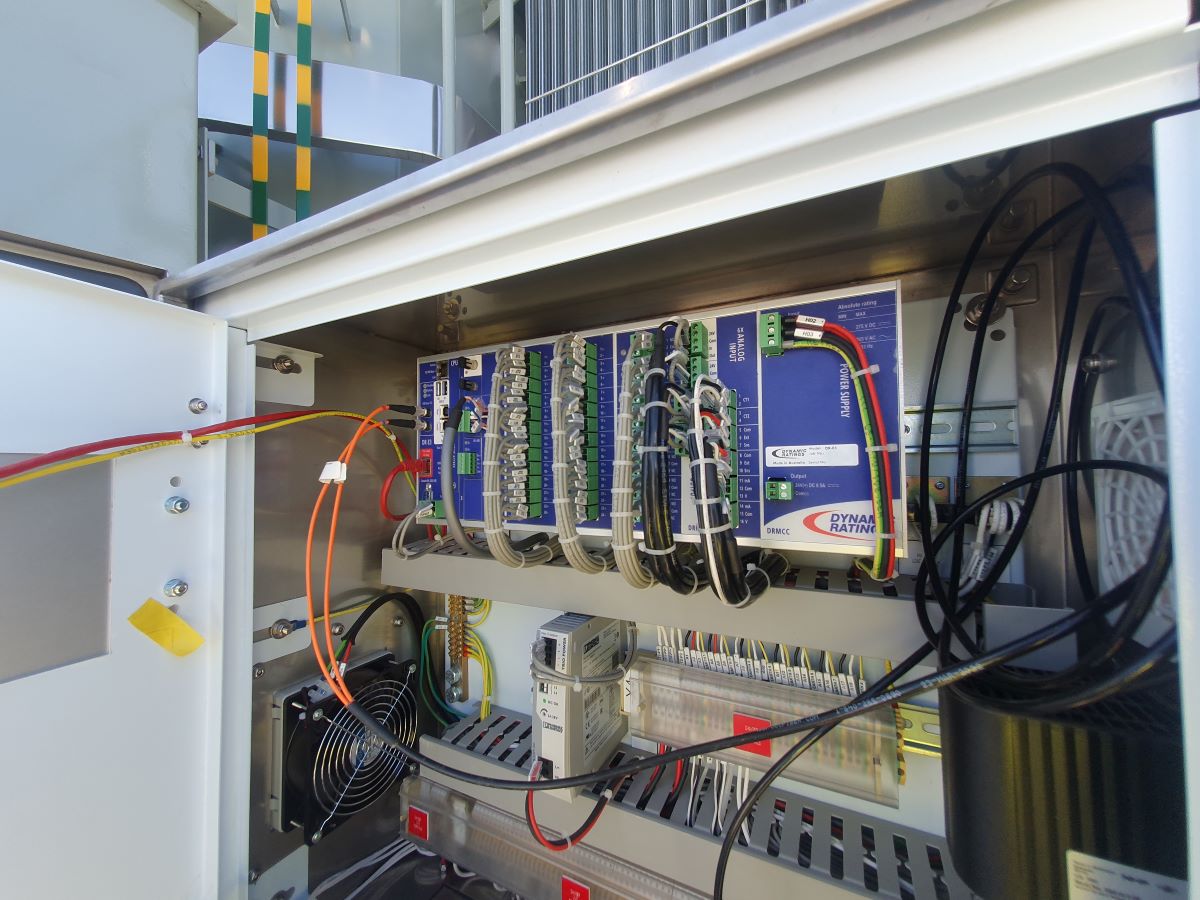
Rather than replacing transformers entirely, retrofit monitoring offers a smarter, less disruptive path forward. Instead of removing structurally sound assets, retrofit solutions enhance existing transformer fleets by integrating advanced monitoring capabilities directly into current enclosures and control cabinets. Designed for compatibility with existing wiring, instrumentation, and physical constraints, these systems minimize field complexity, reduce project timelines, and limit overall capital exposure.
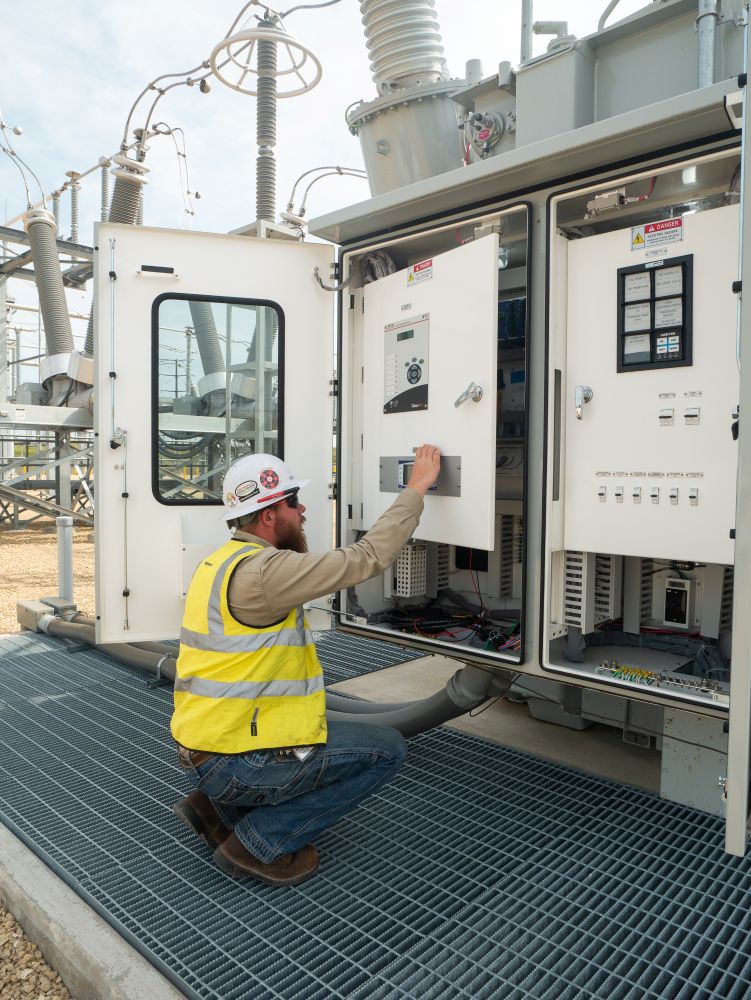
This approach preserves prior infrastructure investments while introducing modern diagnostic intelligence. By streamlining installation and reducing downtime, retrofit monitoring enables utilities to upgrade performance without the operational disruption of full replacement.
Once deployed, retrofitted transformers operate with greater transparency and reliability. Real-time data supports proactive maintenance strategies, reduces unexpected outages, and improves overall operational efficiency. Over time, the combination of lower upfront costs, shorter installation cycles, and enhanced performance delivers measurable return on investment, where retrofits transforms legacy assets into data-driven infrastructure without the financial and operational burden of full replacement.
Replacement Solutions for Legacy Monitors
Seamless Transformer Monitor Upgrades
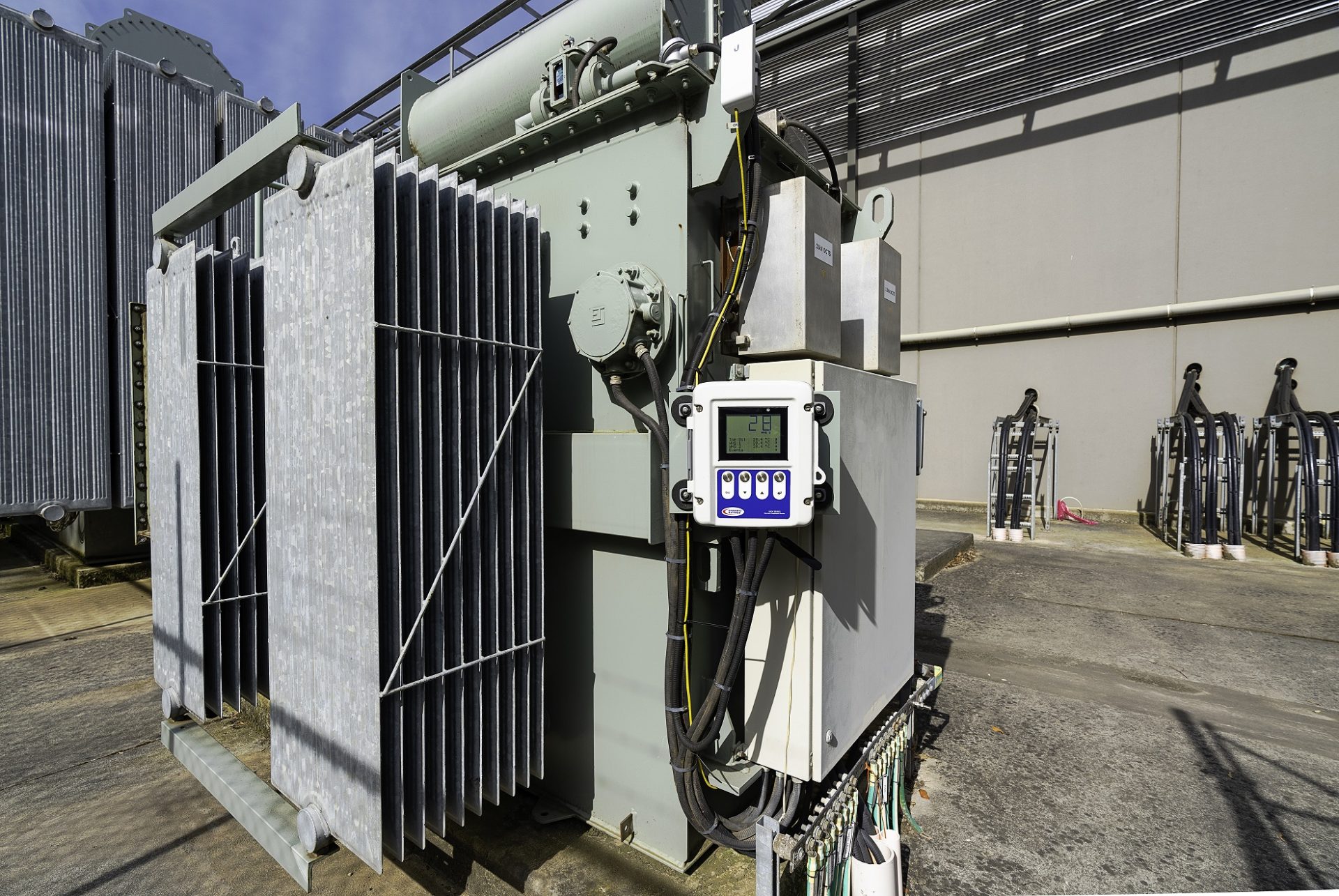
The B100 Electronic Temperature Monitor and the C50 Transformer Monitor are both replacement solutions that provide a seamless way to modernize legacy monitoring systems. These drop-in monitors are designed to fit directly into existing panel mounts and frame designs, making upgrades or full replacements straightforward and minimally disruptive. This allows utilities to maintain operational continuity while upgrading and enhancing their modern monitoring capabilities from previous monitoring systems.
Enhanced Health Monitoring
The B100 and C50 Monitors can be paired with integrated Hydrogen and Moisture sensing options, offering a more complete view of transformer health. Hydrogen, the “key gas,” is produced at lower fault temperatures and serves as an early indicator of potential internal issues, while moisture accelerates insulation aging and reduces dielectric strength, increasing vulnerability.
Both measurements are viewable on the local display or remotely via PC, with hydrogen readings including current values and rates of change for faster problem detection. High accuracy is maintained through a digital sensor-to-monitor connection, ensuring precise and reliable measurements that analog-converted systems cannot achieve.
Advanced Tap Position Monitoring
Drop-in replacement tap position sensors are designed to integrate seamlessly into existing transformer equipment, making upgrades simple and efficient. Using modern optical encoder technology, these sensors provide greater accuracy and reliability than older analog designs. Built to withstand harsh environments, they resist lightning strikes, electrical surges, and other system stresses, improving overall safety. Retrofit kits allow older equipment to be revitalized quickly, while optional displays offer real-time tap position visibility and a cost-effective solution for modernizing transformer monitoring.
Turnkey Support Services
Comprehensive Lifestream Support Services streamlines installation and operational integration. Expert teams provide guidance at every stage of the asset lifecycle, ensuring seamless integration with existing systems and assisting with the interpretation of technical data. This turnkey approach helps utilities modernize efficiently while maximizing performance and reliability.
Real-Time Data and Condition-Based Maintenance
At the core of retrofit monitoring is continuous, real-time data collection, which transforms how assets are managed. Unlike traditional approaches that rely on annual oil sampling or periodic inspections, online monitoring platforms deliver real-time data across the fleet.
This constant stream of information provides a dynamic view of transformer performance under varying load and environmental conditions. Patterns and trends become visible, anomalies are detected earlier, and stress events are quantified rather than assumed. The shift from periodic snapshots to continuous monitoring significantly enhances situational awareness, allowing operators to understand real-time asset behavior and respond proactively.
The true value of this data emerges when it drives actionable, condition-based maintenance strategies. By analyzing trends, thresholds, and correlations, potential issues—such as thermal overloading, abnormal tap changer activity, accelerated insulation aging, or moisture ingress—can be identified well before traditional alarms trigger.
This data enables utilities to
- Prioritize maintenance schedules based on actual condition
- Targeted inspections instead of blanket preventive programs
- Deferral of unnecessary maintenance tasks
- Quantified risk assessments for aging assets
- Improved capital planning using performance analytics

By aligning maintenance with measured conditions rather than calendar intervals, utilities can optimize both reliability and operational cost efficiency.
Unlocking Value Through Retrofit Monitoring
Unexpected outages, costly repairs, and stretched budgets create constant pressure. Retrofit monitoring changes the equation. By replacing legacy monitors and adding our advanced monitors and real-time data, operators can spot issues early, plan maintenance around actual conditions, and extend transformer life.
Instead of reacting to failures, operators gain control, efficiency, and confidence. Retrofit monitoring maximizes the value of existing infrastructure, enhances safety, and supports sustainability initiatives. Request a demo today to see how retrofit solutions can transform your fleet into smarter, safer, and more reliable assets.

Author: Katie Panke, Dynamic Ratings