
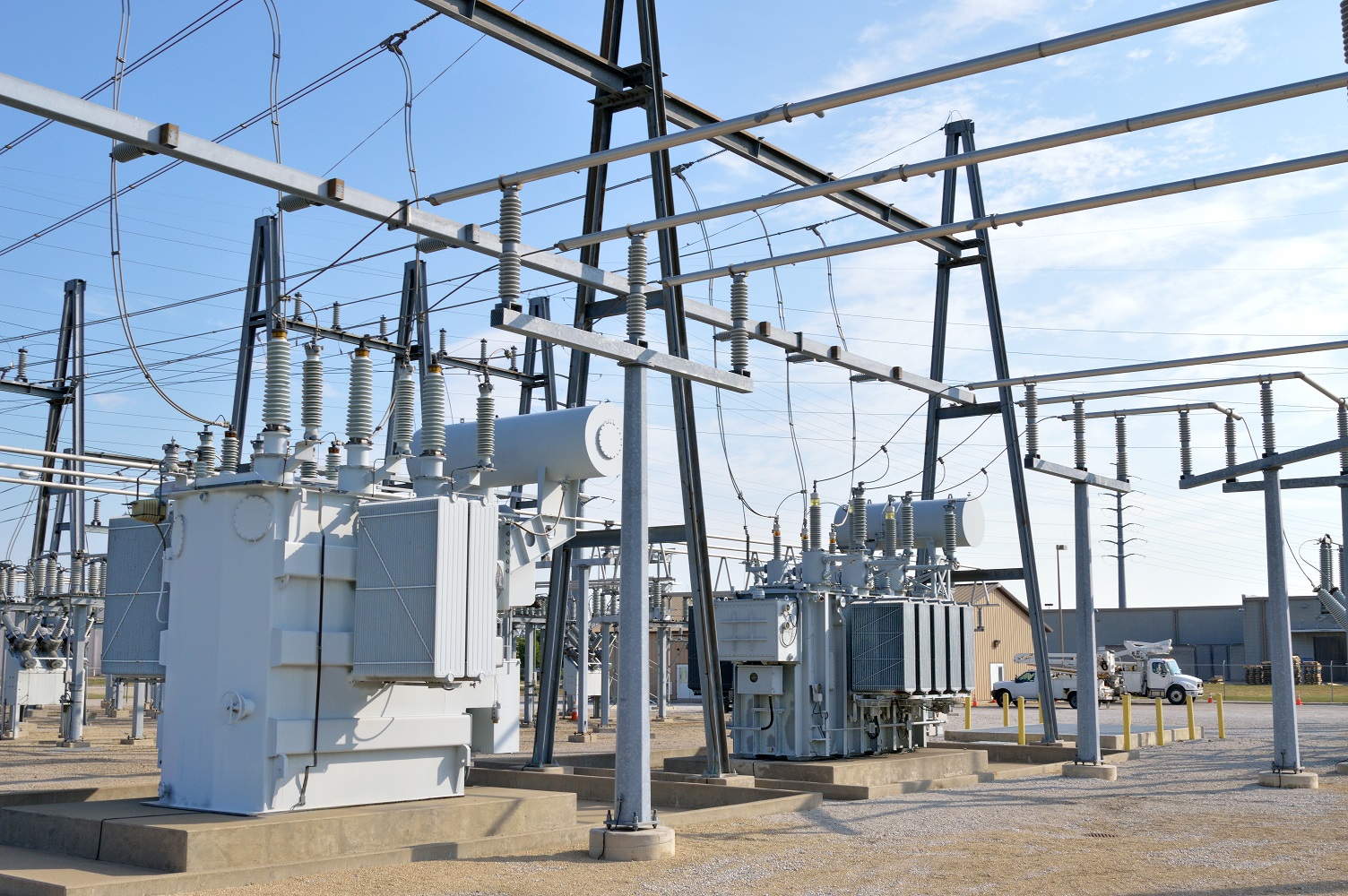
On-load tap changers (OLTCs) are fundamental in maintaining stable voltage levels across power grids. As transformers experience fluctuating load demands, OLTCs adjust the turns ratio without interrupting the current flow and ensure a continuous and consistent power supply. These devices are essential in modern power systems, where reliability and efficiency are top priorities.
Despite their crucial function, OLTCs face mechanical wear due to their frequent switching operations. Without effective monitoring, these components can develop failures that compromise voltage regulation and lead to costly downtime and unplanned maintenance. The challenge is even greater in older OLTC models, which rely on arcing contacts that degrade over time. Advances in vacuum interrupter technology have significantly improved performance yet many transformers still operate with aging OLTC systems that require close attention to prevent failures.
Understanding why asset management is essential helps utilities implement proper maintenance and real-time monitoring strategies to detect early warning signs of deterioration. OLTC transformer monitoring solutions provide insights into operational trends, enabling maintenance teams to intervene before minor issues evolve into major failures. The ability to track parameters such as motor current, contact wear, and temperature fluctuations ensures the long-term stability and efficiency of power transformers.
Our webinar on OLTC monitoring explored best practices and real-world applications for maintaining these critical components. This blog highlights key insights from that discussion, providing an in-depth look at how monitoring solutions can help prevent failures and improve transformer performance.
Common OLTC Failures and the Importance of Monitoring
OLTCs are among the most failure-prone components in power transformers. Mechanical wear, contact degradation, misalignment, and lubrication issues can all compromise performance and reliability. In arcing OLTCs, electrical contact points operating in insulating oil experience carbon buildup, leading to increased resistance and overheating.
Misaligned selector or diverter switches can introduce excessive resistance, causing overheating and potential electrical faults. Insufficient lubrication further strains the system by increasing motor current draw, accelerating component wear, and raising the risk of system malfunctions.

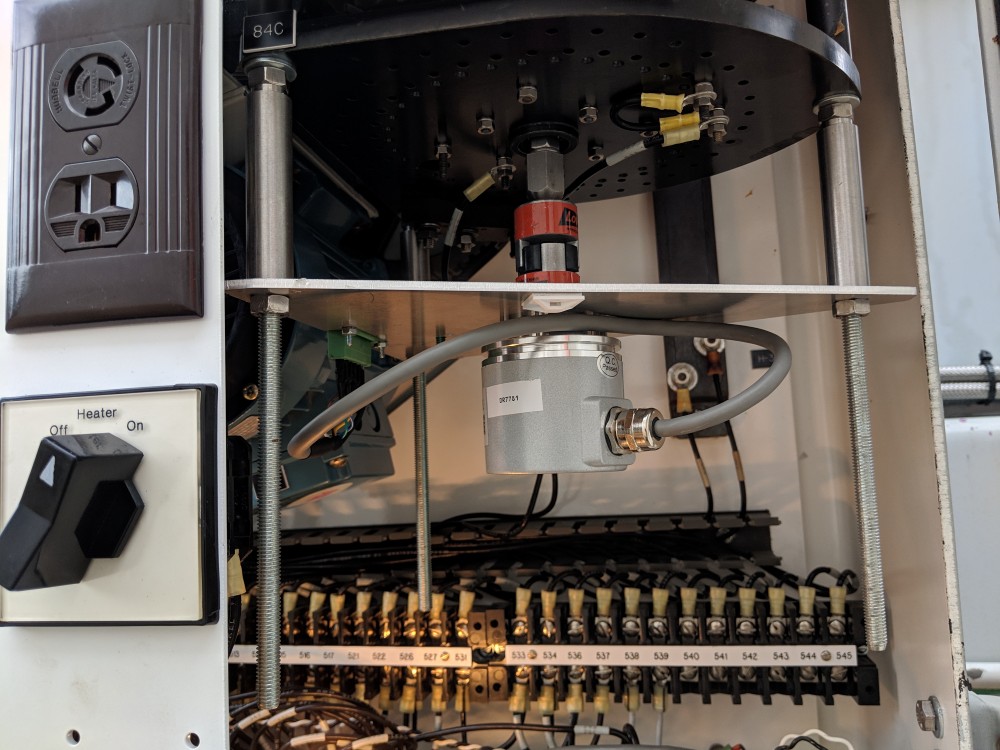
Monitoring OLTC Health: Motor Current and Contact Wear Analysis
Motor current serves as an essential diagnostic tool in evaluating OLTC performance. Any deviation from expected current levels may signal an underlying problem, such as increased friction, electrical misalignment, or excessive contact resistance. Implementing condition based monitoring allows utilities to track motor current trends in real time, providing insights into OLTC component health and ensuring timely maintenance interventions.
Contact wear analysis using the I²T (current squared through time) algorithm provides additional insight into OLTC health. By measuring current flow during switching operations, I²T values quantify contact degradation and help predict maintenance needs.
Arcing OLTCs are particularly susceptible to wear, as their contacts open and close in oil. Non-arcing OLTCs, which use vacuum interrupters, experience significantly less wear since arcing is eliminated during operation. However, even these advanced systems require routine monitoring to ensure their long-term effectiveness. I²T calculations remain a valuable tool in tracking performance across all OLTC models.
Monitoring Tap Position to Ensure Proper Voltage Regulation
Tracking OLTC tap position is essential for maintaining voltage stability in transformers. Each tap movement affects how the transformer regulates voltage, and monitoring daily operations provides insights into wear patterns and potential control malfunctions.
A Tap Position Sensor records every tap operation, offering a clear picture of how often each position is used. The sensor monitors the daily number of operations to detect possible voltage control malfunctions. Utilities can identify irregularities that may indicate developing issues by analyzing tap position trends. A tap changer that remains in certain positions for extended periods may experience uneven wear, requiring closer inspection. The frequency of tap reversals also plays a role in maintaining contact integrity, as infrequent reversals can lead to increased carbon buildup on reversing switches.
The Tap Position Sensor can connect to either the E3 or C50 Transformer Monitor. It integrates with monitoring platforms such as DynamicMetrix®, which visualizes real-time data and operational trends. This advanced system enables asset managers to compare historical performance with current conditions, improving maintenance planning.
With greater visibility into tap position behavior, utilities can optimize OLTC operation and reduce the likelihood of unexpected failures. Utilizing asset performance management software ensures seamless data integration, allowing for proactive decision-making and improved voltage regulation.

Using Temperature Differential Analysis to Detect OLTC Failures
Temperature monitoring is a powerful method for detecting OLTC performance issues. Under normal conditions, the oil temperature inside the OLTC compartment remains lower than that of the main transformer tank. However, when contact degradation occurs, increased resistance generates excess heat, causing the OLTC compartment temperature to rise.
A temperature differential model compares oil temperatures between the OLTC and main tank, triggering an alarm if pre-set thresholds are exceeded. A significant rise in OLTC compartment temperature suggests potential overheating, which can result from arcing, misalignment, or excessive wear on switching contacts. Monitoring temperature trends provides a reliable way to identify performance degradation before failure occurs.
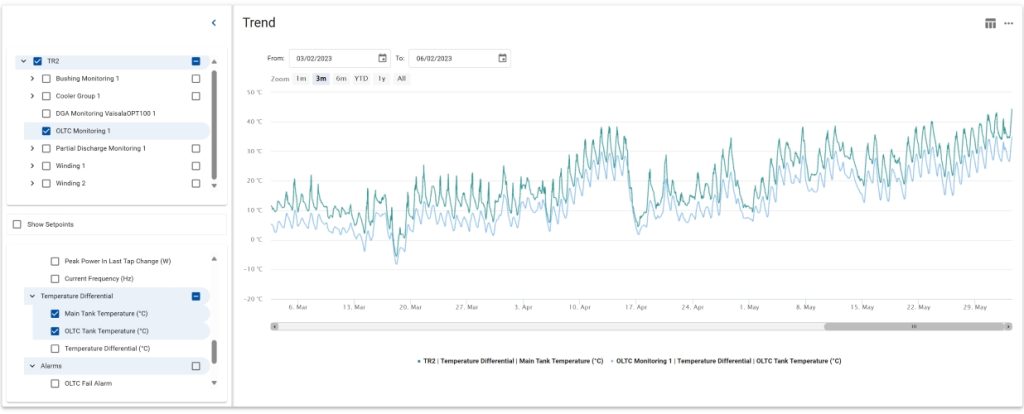
A real-world case study referenced in our webinar demonstrates how temperature differential monitoring helped prevent an OLTC failure. In one instance, an OLTC was recorded operating 19°C hotter than the main tank, prompting an immediate investigation. Dissolved Gas Analysis (DGA) confirmed elevated levels of ethylene and acetylene, indicating arcing and overheating. A physical inspection revealed significant contact coking and improper reversing switch operation. Addressing the issue early prevented further damage, reducing maintenance costs and avoiding a costly unplanned outage.
Online condition monitoring solutions, such as those integrated into the C50 Transformer Monitor, provide real-time temperature tracking and automated alerts. These systems allow maintenance teams to respond proactively, ensuring that transformers continue to operate within safe temperature thresholds.
Preventing Failures Through Predictive OLTC Monitoring
Comprehensive OLTC monitoring combines multiple diagnostic methods to ensure reliability. A successful monitoring strategy incorporates motor current tracking, contact wear calculations, tap position analysis, and temperature differential monitoring. Each of these parameters provides valuable insights into OLTC health, allowing utilities to detect early warning signs and take corrective action before failures occur.
Utilities can enhance their knowledge and best practices by participating in User Group Meetings. Here, experts discuss the latest advancements in transformer monitoring and predictive maintenance.
Predictive monitoring not only improves transformer reliability but also reduces long-term operational costs. Moving away from time-based maintenance strategies and adopting condition-based maintenance ensures that interventions occur only when necessary. This approach minimizes disruptions, extends the lifespan of OLTC components, and enhances overall power grid stability.

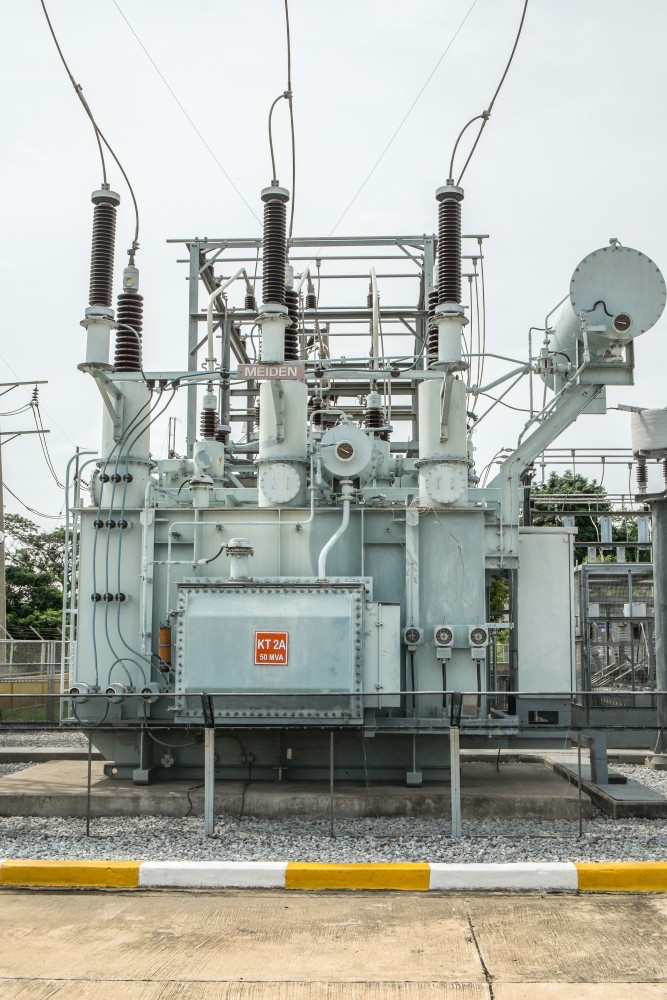
Advanced Monitoring Solutions Mitigate OLTC Failure Risk
OLTCs are critical to maintaining stable voltage levels in power transformers, yet they remain one of the most failure-prone components. Mechanical wear, contact degradation, and overheating present significant challenges that require proactive monitoring. Without effective oversight, OLTC failures can lead to transformer shutdowns, voltage instability, and costly repairs.
Advanced monitoring solutions provide real-time diagnostics that allow utilities to detect early warning signs and prevent failures. Motor current tracking, contact wear analysis, tap position monitoring, and temperature differential measurements work together to ensure reliable performance. Through the integration of DynamicMetrix® and the C50 Transformer Monitor, utility operators gain the tools needed to optimize maintenance and extend transformer lifespan.
Ensuring OLTC reliability is essential for power grid stability. Contact us today to explore how advanced monitoring solutions can enhance transformer performance and reduce maintenance costs.
Author: Tyler Willis, Dynamic Ratings