

Somewhere right now, a transformer could be overheating — its cooling fans stuck off, the winding temperature gauge compromised by moisture, and no one in the control room is aware of the problem. This scenario isn’t hypothetical. It’s a real event discussed in a recent webinar on transformer monitoring essentials, and it ended with 20,000 liters of oil spread across a substation floor.
This article summarizes the key lessons from Essentials of Transformer Monitoring Webinar — watch the full session for the complete framework of building a monitoring strategy.
Below, we cover the essentials: what to monitor, why it matters, and how transformer condition monitoring shifts maintenance from reactive to condition-based maintenance.
The Case for Transformer Monitoring: The Numbers Don’t Lie
Transformer failure data from major industry studies show that outages and catastrophic failures continue to result in significant financial losses for utilities and industrial operators. In many cases, post-event analysis reveals that early warning signs were present but went undetected. The conclusion is uncomfortable but clear. Many transformer failures are preventable when developing issues are identified early.
Reliability studies also highlight an important imbalance between the likelihood of failure and the severity of its consequences. Bushing failures represent a relatively small percentage of total failure events, yet they account for a disproportionately large share of financial losses. This relationship between probability and consequence is what defines risk and why online transformer monitoring is such a powerful tool for asset protection.
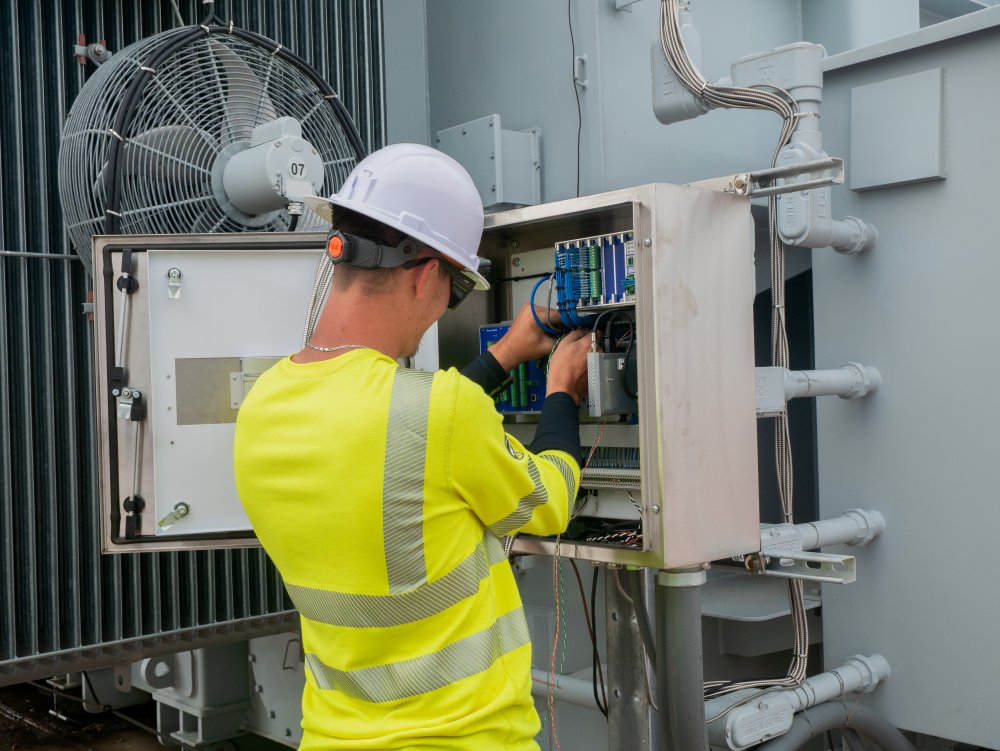
Additional research provides further insight into where failures originate. Over a five-year period, nearly 29% of forced transformer outages were caused by on-load tap changers (OLTCs), while 22% were linked to bushing issues and about 9% resulted from cooling system failures.
Monitoring a small set of critical subsystems — temperature, bushings, tap changers, and dissolved gases — can provide visibility into the majority of transformer failure modes, often while the transformer remains fully in service.
At its core, transformer condition monitoring answers one simple question. Is this transformer operating normally? When the answer is no, diagnostics takes over to determine the cause and severity of the issue.
Monitoring vs. Diagnostics: Two Different Roles
Monitoring and diagnostics are often used interchangeably, but they serve distinct purposes in a transformer asset management program.
Continuous online transformer monitoring is broad by design. Its job is to determine whether equipment is operating normally — and roughly 90% of the time, everything looks fine and no action is required.
When monitoring detects something abnormal, diagnostics begins. Diagnostic tools like oil analysis, infrared inspections, or offline electrical tests help investigate the issue and determine its severity.
Most anomalies turn out to be manageable — around 8% require minor on-site intervention, while roughly 2% indicate serious problems needing major repair or replacement. That triage capability is one of the most valuable aspects of a condition monitoring program. Instead of treating every alarm as a crisis, teams can allocate resources based on actual condition and risk.
Temperature Monitoring: The Foundation of Transformer Health
Temperature is the most critical factor in transformer life, influencing insulation aging, moisture dynamics, and overall asset longevity. Utilities typically rely on Winding Temperature Indicators (WTIs), but these mechanical gauges have well-documented limitations:
- Require periodic calibration, often involving outages
- Are mechanical devices exposed to the elements
- Susceptible to moisture ingress and malfunction

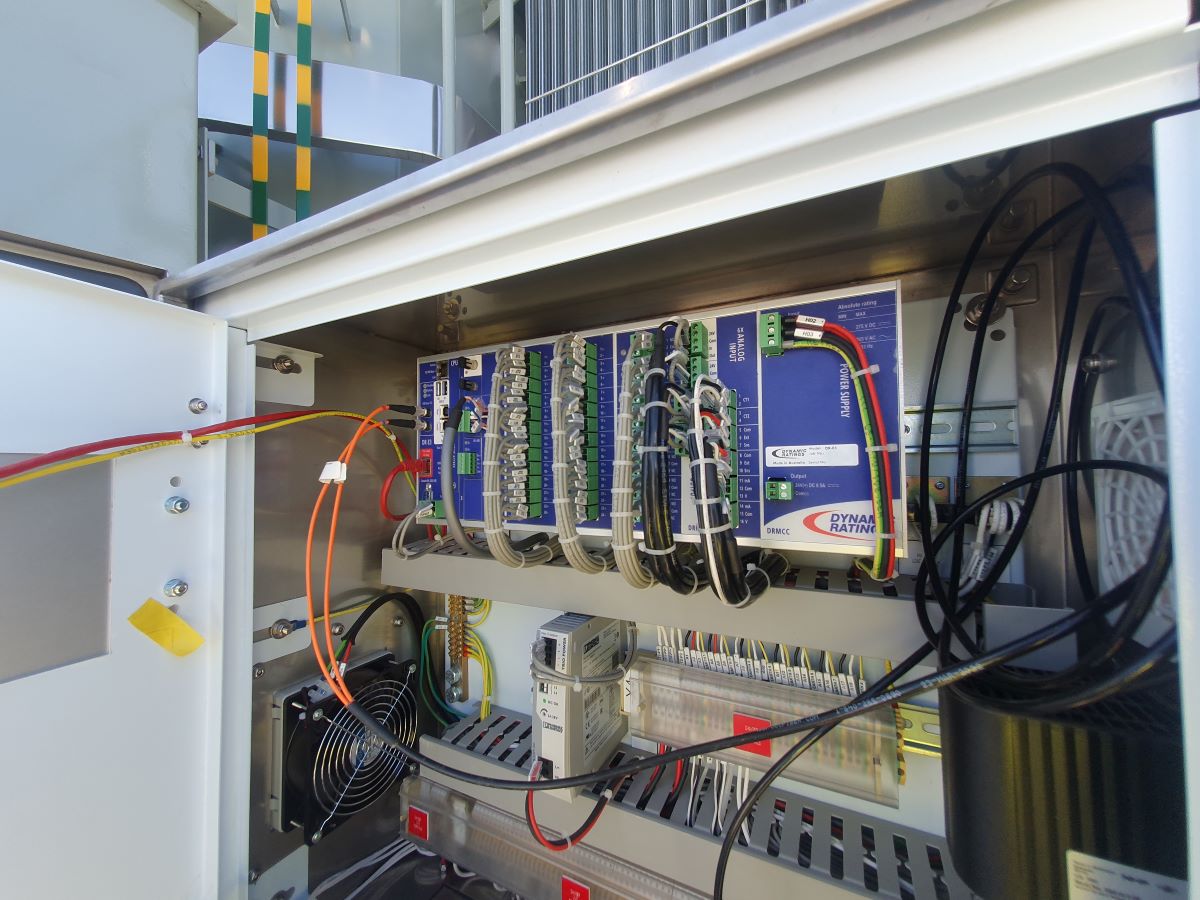
Electronic temperature monitoring overcomes these issues. Microprocessor-based systems calculate hotspot temperature continuously using IEEE C57.91 and IEC 60076 thermal models, updating every minute, automatically controlling cooling systems, generating alarms, and feeding insulation-aging models — with no calibration outages required.
For example, at a mountain substation in the eastern U.S., a newly installed monitor triggered a hotspot alarm. Investigation revealed only one of three fans was operating. After correcting the issue, winding temperatures dropped 20–40°C under ideal ambient conditions. Without condition-based monitoring, this issue could have gone unnoticed for years, as the site was only visited seasonally.
Real-Time Data and Condition-Based Maintenance
At the core of retrofit monitoring is continuous, real-time data collection, which transforms how assets are managed. Unlike traditional approaches that rely on annual oil sampling or periodic inspections, online monitoring platforms deliver real-time data across the fleet.
This constant stream of information provides a dynamic view of transformer performance under varying load and environmental conditions. Patterns and trends become visible, anomalies are detected earlier, and stress events are quantified rather than assumed. The shift from periodic snapshots to continuous monitoring significantly enhances situational awareness, allowing operators to understand real-time asset behavior and respond proactively.
Bushing failure behavior also varies by design. Resin-impregnated paper (RIP) bushings can deteriorate far more rapidly than oil-impregnated paper (OIP) types — leakage current has been observed to double in under an hour, representing an 85% change in capacitance compared with the typical 3–5% replacement threshold. Continuous bushing monitoring is the only reliable way to detect these fast-developing failures and take corrective action before catastrophic damage occurs.
Tap Changer and DGA Monitoring
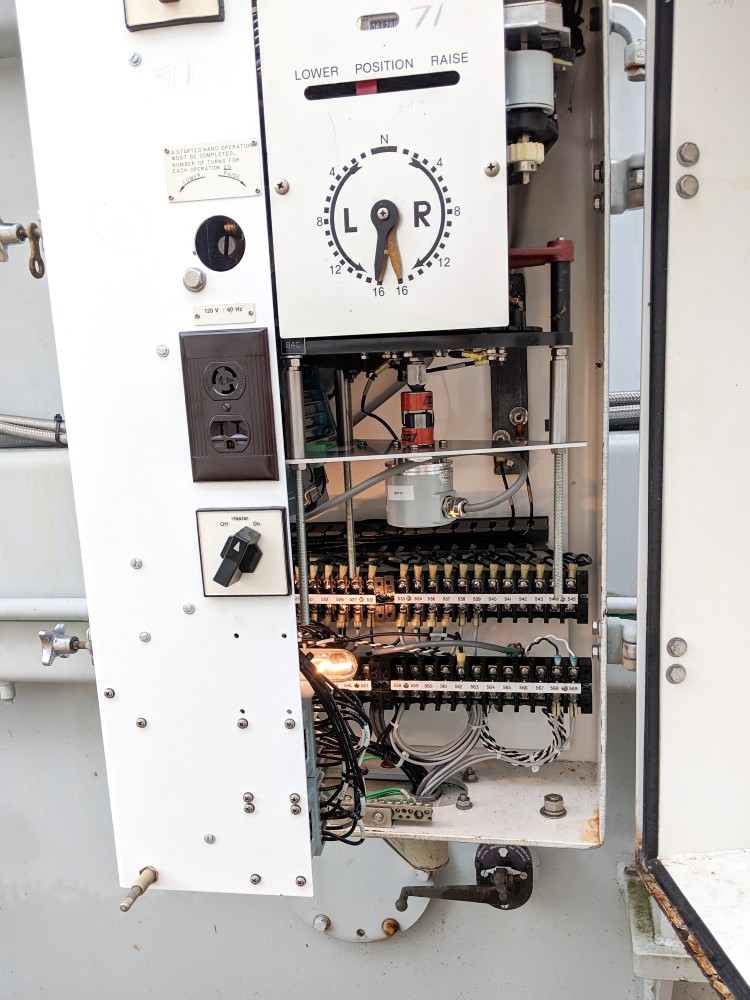
On-load tap changers cause nearly 29% of forced transformer outages, yet they’re often monitored only by calendar. For internal OLTCs, condition monitoring tracks motor drive energy, breaker status, tap position counts, and mechanical wear signatures that flag deterioration long before a failure event. For external OLTCs, a simple yet effective technique is temperature differential monitoring between the tap changer compartment and the main tank. Normally, the tap changer runs cooler than the tank, but as contacts wear or begin to arc, temperatures rise, providing an early warning of developing issues.
Dissolved Gas Analysis (DGA) provides an additional layer of protection. Transformer oil naturally contains small amounts of dissolved gases during normal operation, but internal faults — such as overheating conductors, insulation degradation, or core hotspots — alter gas generation patterns. Continuous DGA monitoring captures these changes between routine oil samples, offering early detection of problems.
For example, one gas monitor identified an increasing trend that led engineers to uncover a core hotspot caused by circulating currents and degraded bolt insulation, preventing a potential catastrophic failure.
From Alarms to Action: Closing the Execution Gap
Monitoring technology alone cannot prevent failures. An alarm that goes unaddressed is an execution failure, not a technology failure, and it can turn a simple maintenance issue into a significantly more expensive problem.
For remotely monitored transformers, the communication system must reliably deliver data to the operators who can take action. Equally important, those operators need clear guidance on what each alarm signifies, and the steps required to respond.

A well-designed alarm response framework should provide four key elements:
- Description – the condition that has been detected
- Diagnosis – the most likely cause of the issue
- Prognosis – what may happen if the problem persists
- Recommended action – the appropriate first response
By offering this context, alarms move beyond abstract notifications and become actionable information, enabling timely and effective intervention to prevent failures.
The Maintenance Dividend
When implemented thoughtfully, transformer condition monitoring does more than reduce risk — it transforms how maintenance resources are allocated. Monthly manual temperature rounds become unnecessary. WTI calibration outages are eliminated. Cooling system functional tests can be automated. Bushing offline testing cycles can extend from four years to eight or more. OLTC oil sampling can shift from every six months to annually — all driven by actual asset condition rather than a fixed schedule.
The result is a maintenance program that utilizes resources where they are truly needed, addressing emerging issues before they escalate, rather than following a calendar-driven schedule. This targeted approach improves reliability, reduces operational disruption, and maximizes asset life.
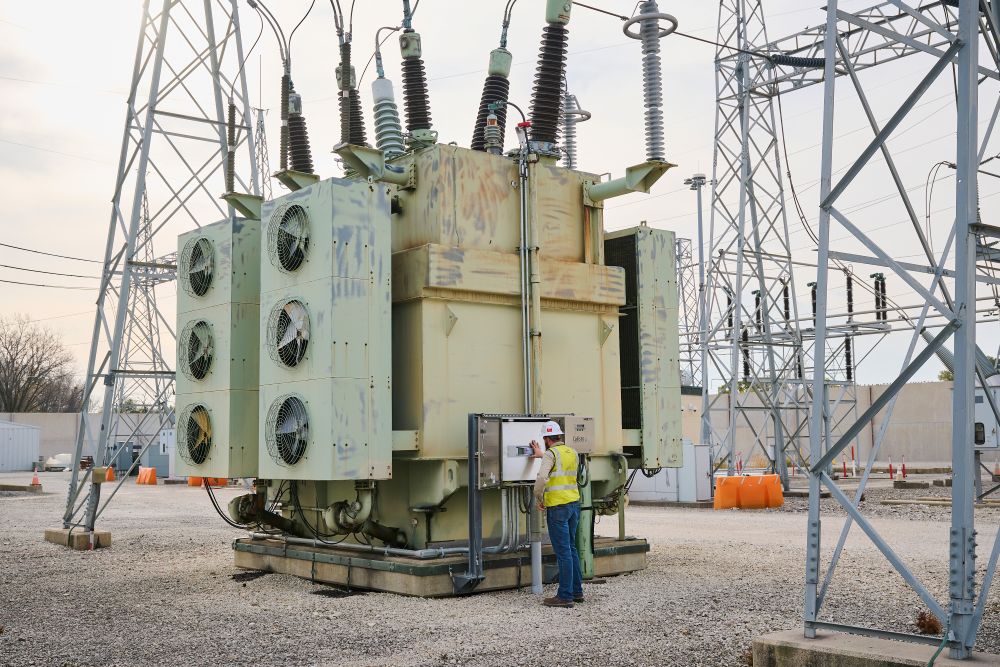
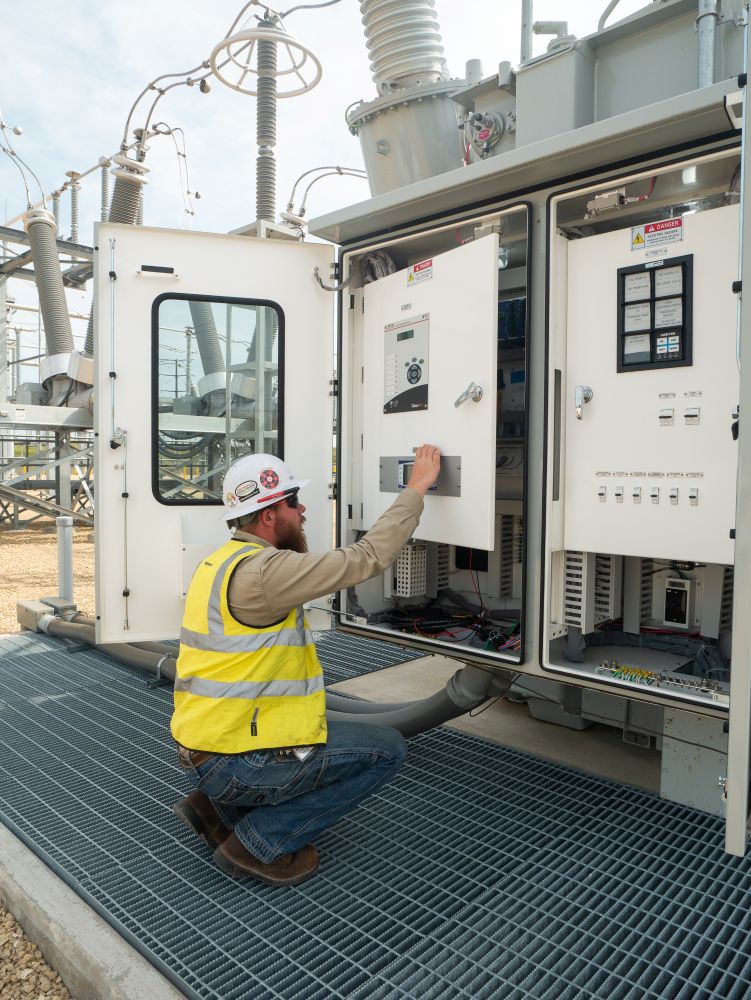
From Reactive to Condition-Based: The Monitoring Advantage
Comprehensive transformer monitoring has proven to be widely available and essential for preventing costly failures. It addresses critical risks such as thermal runaway, catastrophic bushing faults, tap changer wear, and insulation degradation — all of which carry significant financial consequences if missed.
Every monitored transformer generates continuous operational data. Over time, that data reveal trends and patterns that no periodic inspection could capture. The value of that insight only grows as analytics capabilities develop, and the utilities investing in online transformer monitoring are building an asset data base that will serve them for decades.
Transformers are already sending signals about their health. The key question is simple: Do you have the systems in place to listen?
Take the next step toward a smarter, condition-based monitoring strategy to protect your assets, extend service life, and improve reliability by contacting us today.
Author: Katie Panke, Dynamic Ratings