
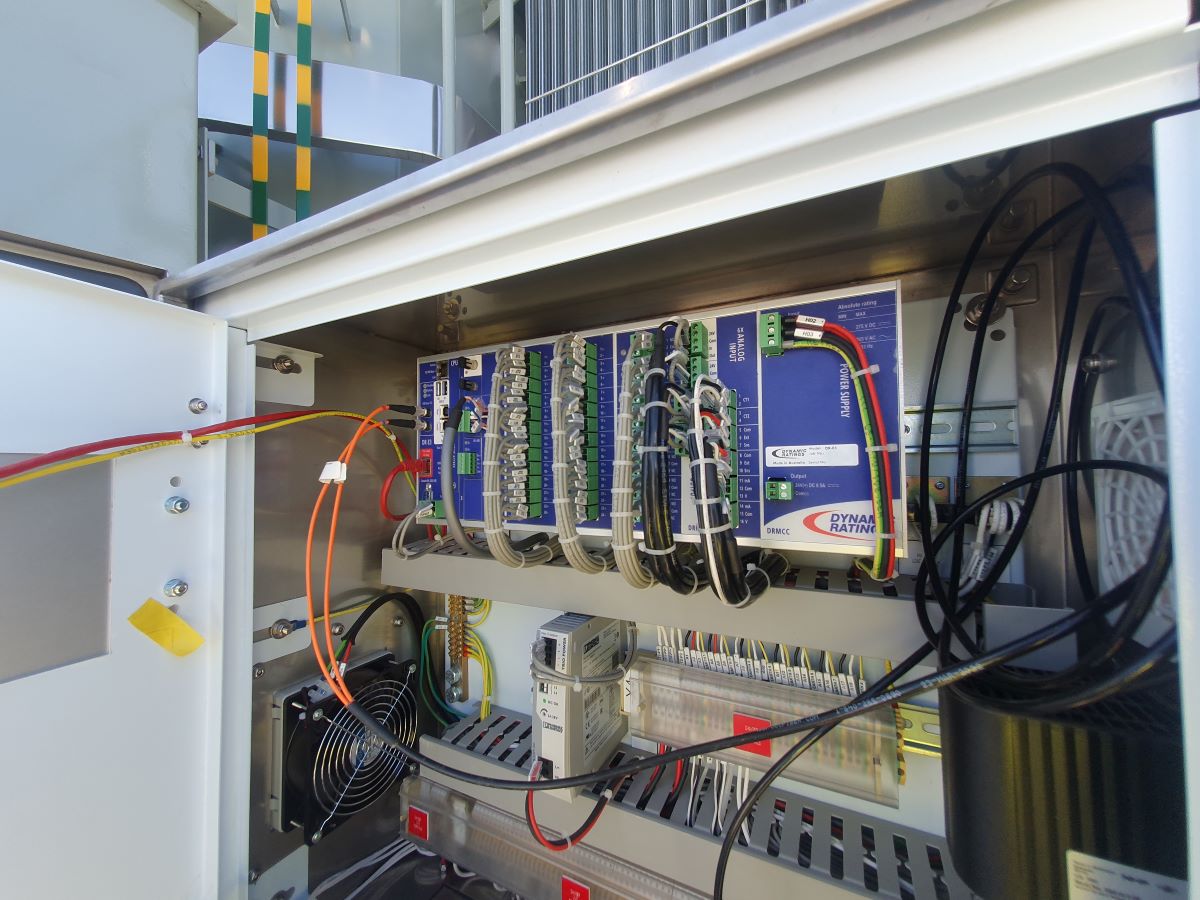
Utilities are operating in an environment defined by rising demand, increasing system complexity, and aging transformer fleets. At the same time, expectations for reliability remain unchanged, while financial and operational constraints continue to tighten. What has changed is not the importance of reliability but the level of uncertainty behind transformer condition and remaining life under real operating stress.
Traditional maintenance approaches were built for a consistent, more predictable grid. Today’s operating environment is dynamic, and transformer loading, moisture behavior, and thermal stress evolve continuously, not on inspection schedules.
In this environment, the key differentiator is no longer data collection. It is condition intelligence that enables confident operational decision-making in real time.
Managing Risk with Limited Staff and Expanding Demand
Cooperative utilities and municipalities are managing increasing system demands while operating with limited staffing and capital flexibility. Load growth driven by electrification is pushing peak demand higher, while transformer fleets continue to age with fewer options for near-term replacement.
At the same time, small operational teams are responsible for maintaining reliability across large geographic service areas. Even minor visibility gaps can create disproportionate risk. A single unexpected transformer failure can quickly escalate into a major service disruption, particularly where repair or replacement resources are not immediately available.
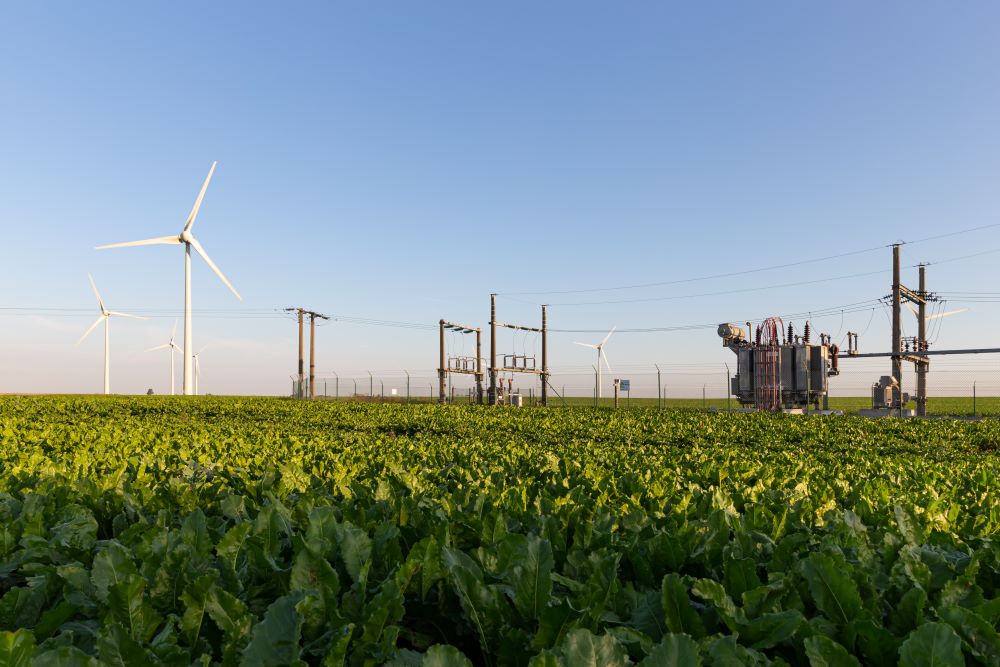
Where the Risk Emerges
Without continuous insight into transformer condition, asset health is often inferred rather than directly observed. Decisions are based solely on periodic testing results, basic alarm thresholds, or offline performance trends that do not reflect real-time operating conditions.
This creates a fundamental challenge: transformer degradation does not follow offline testing cycles. Thermal stress, moisture migration, and insulation aging continue evolving between test intervals, often without triggering immediate alarms. As a result, operational awareness becomes reactive, where issues are frequently identified only after performance has already degraded or failure has occurred.
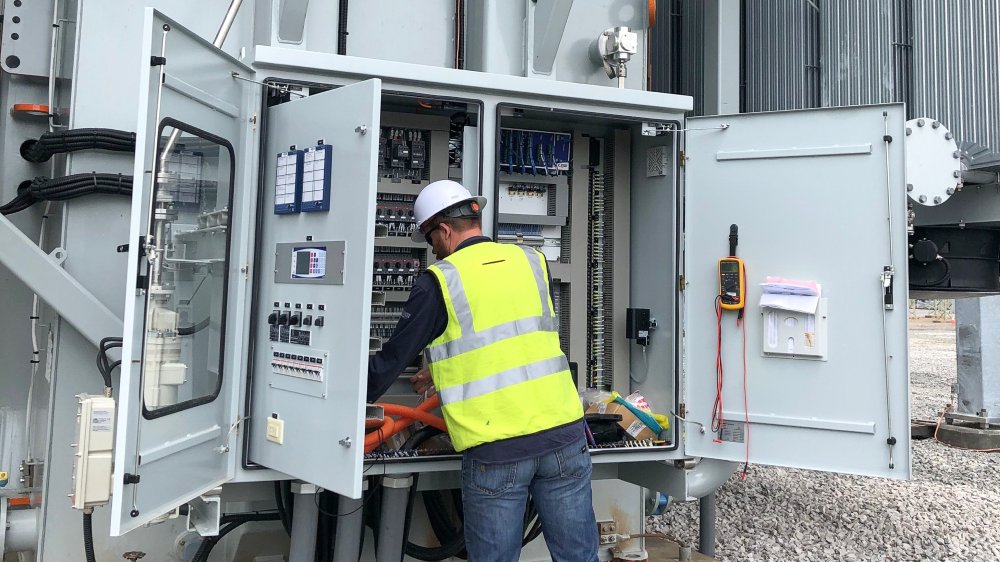
Why Condition Intelligence Matters
As utilities face increasing risk from visibility gaps and aging assets, online transformer monitoring solutions deliver continuous, real-time insight into critical operating parameters. By moving away from reliance on manual testing, utilities can transition from reactive maintenance to proactive, condition-based strategies.
Condition-based monitoring extends transformer operational capacity with greater confidence, enabling fewer resources to manage the aging assets. Online monitoring data enables small teams to anticipate and address possible transformer problems, helping them avoid unexpected failures and take proactive steps to fix issues early on.
To address these risks, this shift is especially important for operations with limited resources, where maintenance must be prioritized based on real asset conditions rather than assumptions or fixed schedules. As a result, utilities can minimize the risk of unexpected outages and maintain service continuity, even as system complexity and demand continue to rise.
Optimizing Transformer Assets at Scale Under Regulatory and Performance Pressure
Electric utilities operate at a scale where transformer performance is not just an operational concern, but a system-wide driver of cost and reliability. Managing geographically distributed substations requires consistent decision-making aligned with both internal performance targets and external regulatory expectations.
Even small inefficiencies can compound quickly. Underutilizing transformer capacity across a fleet can lead to significant capital inefficiency, increased risk exposure, and measurable impacts on reliability, often effecting consumers’ rates. Precision in asset understanding is therefore essential.
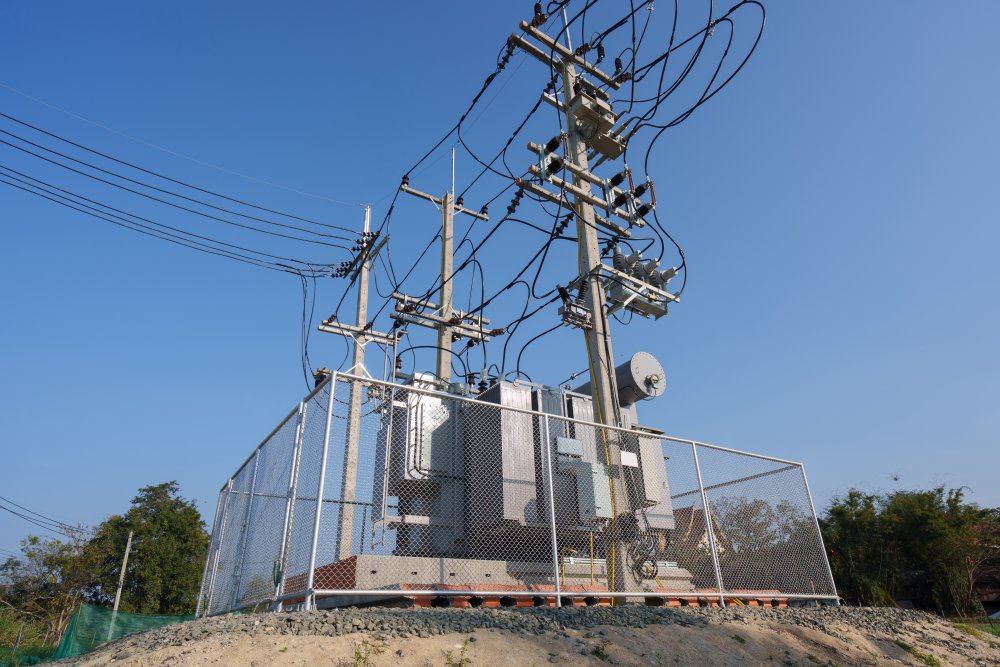
Too often, operational decisions rely on conservative assumptions rather than actual performance. Loading practices may be limited to reduce perceived risk, even when thermal headroom exists, while asset aging is modeled using static assumptions that don’t reflect modern loading variability. The result is a system where risk is managed by restricting performance instead of understanding true asset capability.
Closing the Gap Between Assumptions and Real Transformer Capability
Online monitoring addresses this gap by delivering real-time visibility to quantify actual transformer capability under current system conditions, rather than relying on nameplate ratings or periodic test results. With this level of insight, loading strategies can be optimized more precisely, and asset risk models can reflect real operating behavior across the entire fleet.
This shifts transformer management from static assumptions to dynamic, condition-based optimization, turning individual assets into intelligently managed components of a larger, more efficient grid system.
Transformer Monitoring Extends Asset Lifespan and Improves Reliability
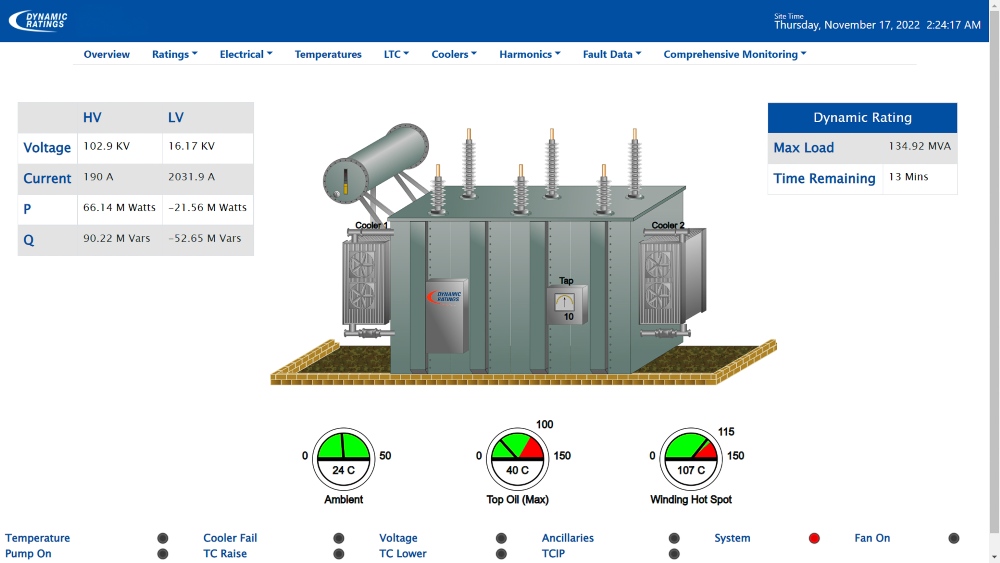
Across all utility types, the core shift in transformer management is using continuous, real-time monitoring data to understand how transformers are performing under actual system conditions. Instead of relying on isolated measurements, utilities gain a connected, evolving view of critical performance indicators that reflect real-world loading, environmental stress, and operating behavior.
This fundamentally changes the role of monitoring from passive observation to active decision support. Instead of simply reporting what has already happened, the system helps operators understand what is happening now and what is likely to happen next.
Continuous monitoring not only improves visibility but directly impacts how long transformers can reliably remain in service. By tracking key indicators such as temperature, moisture, and loading in real time, operators can better understand how daily operating conditions contribute to insulation aging and overall asset degradation. Since thermal stress and moisture are primary drivers of transformer life consumption, having continuous insight into these factors enables more controlled and intentional operation.
With this level of insight, maintenance and operational decisions can be aligned with actual asset condition rather than fixed schedules or assumptions. Overloading can be avoided during high-risk conditions, while available capacity can still be safely utilized when conditions permit. This balance reduces unnecessary stress while avoiding overly conservative operation that limits asset value.
With early identification of abnormal trends, utilities can slow asset degradation, prevent avoidable stress, and enable condition-based decisions. Monitoring plays a direct role in extending transformer lifespan while maintaining reliability and optimizing long-term asset performance.
Turning Visibility into Confidence in an Uncertain Grid
As the demands placed on the grid continue to evolve, the challenge is no longer simply maintaining reliability—it is doing so with greater precision, fewer resources, and increasing uncertainty around asset condition. Aging transformer fleets, rising load variability, and constrained budgets have made traditional approaches to asset management less effective in addressing today’s operating realities.

Across cooperatives and municipals, the common thread is clear: decisions based on incomplete or outdated information introduce risk. Whether that risk appears as unexpected failures, underutilized capacity, or accelerated asset aging, the same issue remains – not having enough visibility into how transformers actually operate in real-world situations.
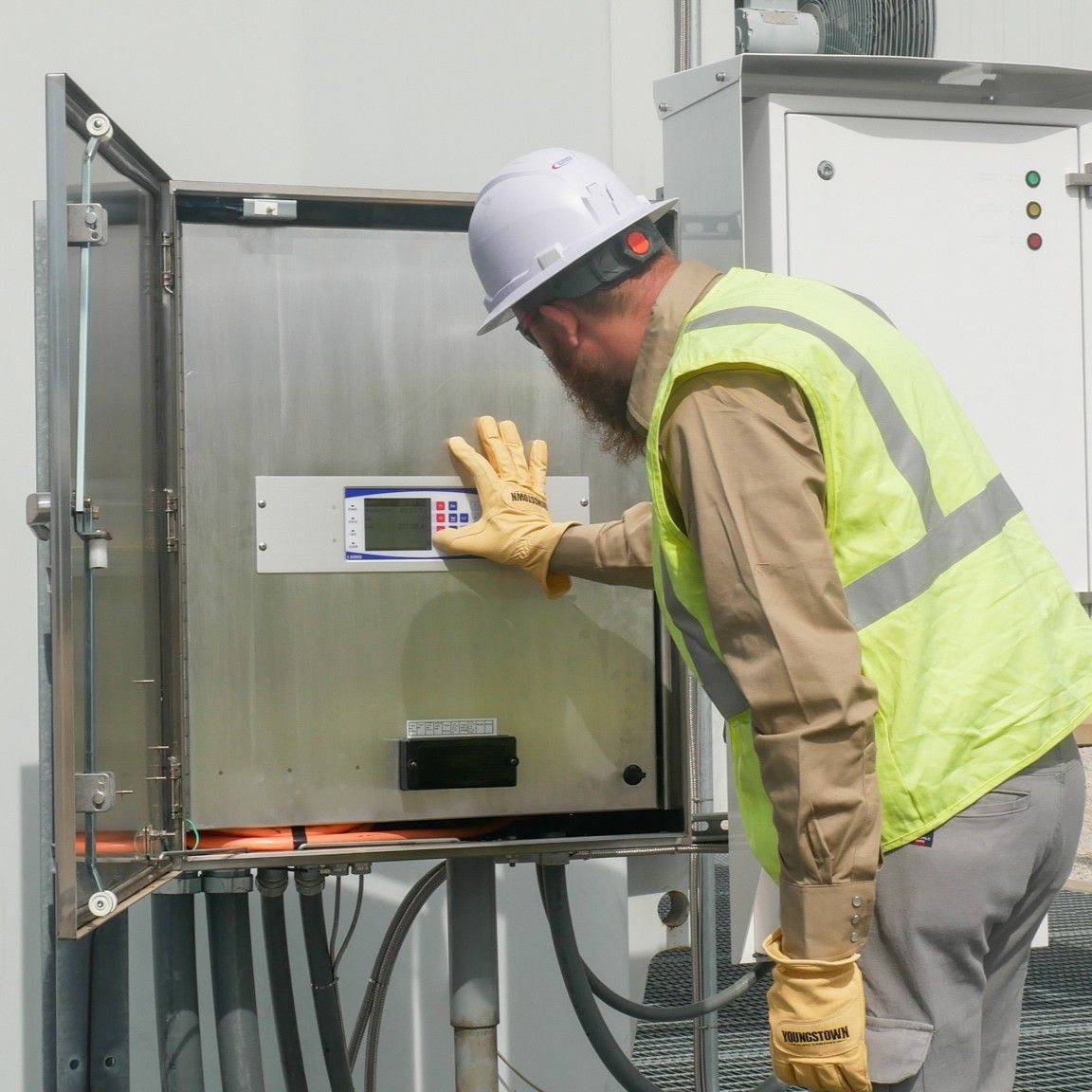
The shift toward continuous, real-time monitoring represents more than a technological upgrade. It is a fundamental change in how transformer health, capacity, and risk are understood and managed. By transforming raw data into actionable condition intelligence, utilities gain the ability to move from reactive response to proactive control, anticipating issues, optimizing performance, and extending asset life with confidence.
Utilities that embrace condition-based monitoring and decision-making will be better positioned to reduce risk, extend asset lifespan, improve operational efficiency, and build a more resilient, data-driven grid for the future. Contact us to learn how you can begin leveraging advanced monitoring solutions for a future-proof utility.
Author: Katie Panke, Dynamic Ratings