

Your SF6 alarm goes off, and the maintenance crew rushes to the substation to discover that the ‘emergency’ was caused by the cold weather dropping the gas pressure, not a gas leak. Meanwhile, a real leak that’s been slowly releasing this potent greenhouse gas goes undetected for weeks because it hasn’t triggered the alarm threshold yet.
This isn’t just a scenario, but a real-life example that utilities need to deal with. Sulfur hexafluoride (SF6) gas is about 25,000 times more potent than your typical CO2 greenhouse gases, yet SF6 is essential for insulating the circuit breaker. The traditional approach of manual checks and reactive maintenance isn’t efficient or effective as it should be. Incorporating online SF6 gas monitoring into your asset management strategy is the way to change your approach from reactive to proactive.
Based on insights from the SF6 Gas Monitoring and Diagnostics Webinar and supporting industry resources, this post explores the advantages of SF6 gas monitoring, its environmental effect, and the importance of real-time visibility into circuit breakers.
From Manual Inspections to Automated SF6 Monitoring
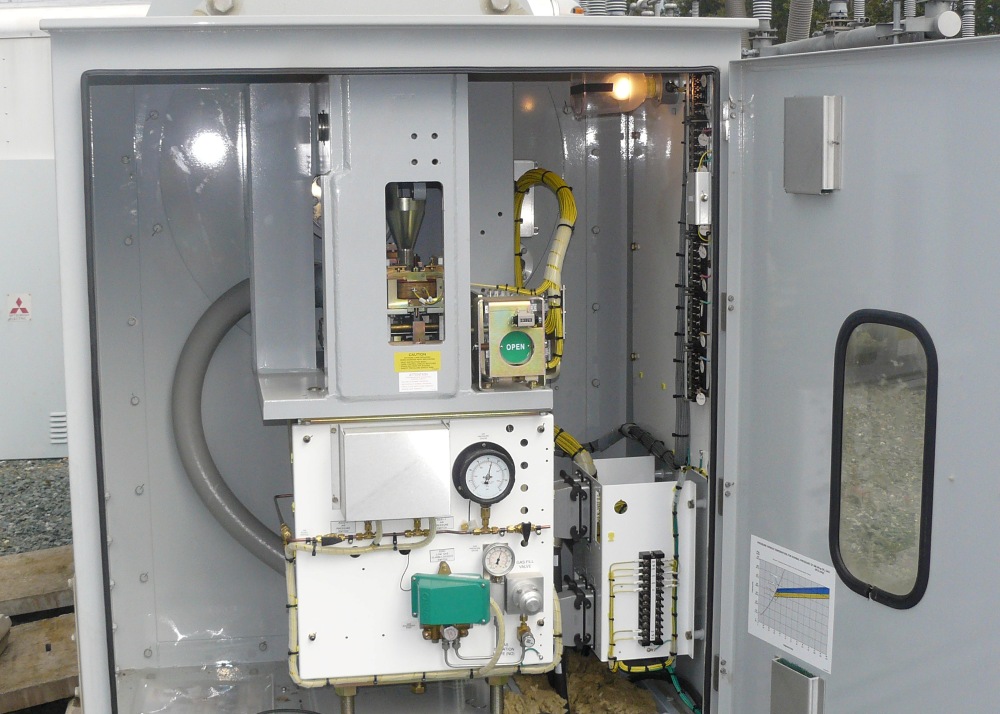
For years, utilities have wrestled with the limitations of traditional SF6 management approaches. Manual inspections and electromechanical gauges create a constant cycle of reactive maintenance, forcing crews into the field whenever alarms are triggered with no way of knowing if pressure dropped because it is cold or if a leak has developed.
This reactive approach creates a cascade of several challenges. Gas losses typically go undetected until alarms are triggered at 78-80 psi, which is well below the normal operating pressure of 87 psi, but significant environmental releases has already occurred. Monthly manual inspections consume extensive manpower resources, while the inability to distinguish between temperature effects and actual leaks lead to costly emergency responses that could have been avoided with better information.
The Environmental Impact of SF6 Gas
SF6’s reputation as both savior and villain in the electrical industry stems from its remarkable physical properties with its devastating environmental impact. This gas possesses an infrared radiation trapping capacity 25,000 times greater than CO2, with an atmospheric lifespan exceeding 3,000 years. Despite these sobering statistics, SF6 remains irreplaceable in many applications because it delivers 2.5 times the breakdown strength of air and provides excellent heat transfer properties.
The chemistry becomes more complex during real-world operations. When SF6 encounters electrical arcing, molecules temporarily lose fluorine atoms, creating decomposition products. Under ideal conditions, these molecules reform completely back to SF6. However, real substations aren’t laboratory environments. They contain contaminants in the air and moisture that interfere with this reformation process, potentially creating toxic decomposition products that pose safety risks beyond environmental concerns.

How SF6 Monitoring Protects Modern Substations
The case for comprehensive SF6 monitoring extends far beyond regulatory compliance and touches every aspect of utility operations. From an environmental perspective, SF6 gas is the most potent greenhouse gas, which makes leak prevention essential. Every pound of SF6 gas that escapes into the atmosphere represents a significant environmental impact that contributes to global warming.
Equipment performance depends entirely on maintaining proper SF6 levels. When pressure drops, insulation integrity suffers, and interruption capability becomes compromised. What starts as a minor leak can quickly escalate into equipment failure, potentially triggering outages that affect thousands of customers.
The operational benefits of proactive monitoring become clear when you consider maintenance planning. Instead of reacting to problems after they develop, utilities can track trends and patterns that predict future issues. This data-driven approach transforms maintenance from an expensive emergency response function into a planned, optimized operation that fits normal work schedules and resource availability.
Regulatory compliance adds another layer of complexity, as many jurisdictions now mandate strict SF6 emission controls and reporting requirements. Manual tracking systems struggle to provide the accuracy and documentation needed to satisfy these evolving regulations.
Top Reasons Utilities Choose Online SF6 Monitoring
Online monitoring systems offer rapid leak detection capabilities that dramatically improve asset management. These systems typically show only 4-5 pounds of variance throughout the daily temperature changes, allowing operators to set much tighter alarm thresholds and respond more quickly to genuine issues before significant gas loss occurs. Key benefits include:
- Faster Leak Detection: Online sensors can identify developing leaks before significant gas loss occurs, preventing costly emergency repairs and environmental releases.
- Improved Gas Emission Reporting: Continuous monitoring automatically tracks cumulative gas loss, simplifying year-end environmental reporting requirements. Instead of manual inspections across an entire fleet, operators can quickly access precise loss data from a central location.
- Enhanced Equipment Reliability: Beyond leak detection, online monitoring reveals patterns in tank heater performance, helping prevent over-pressurization that can create new leak points.
- Reduced Maintenance Costs: By understanding actual leak rates versus temperature fluctuations, utilities can better schedule maintenance during regular shifts rather than expensive overtime responses.
Avoiding Mistakes in Installations
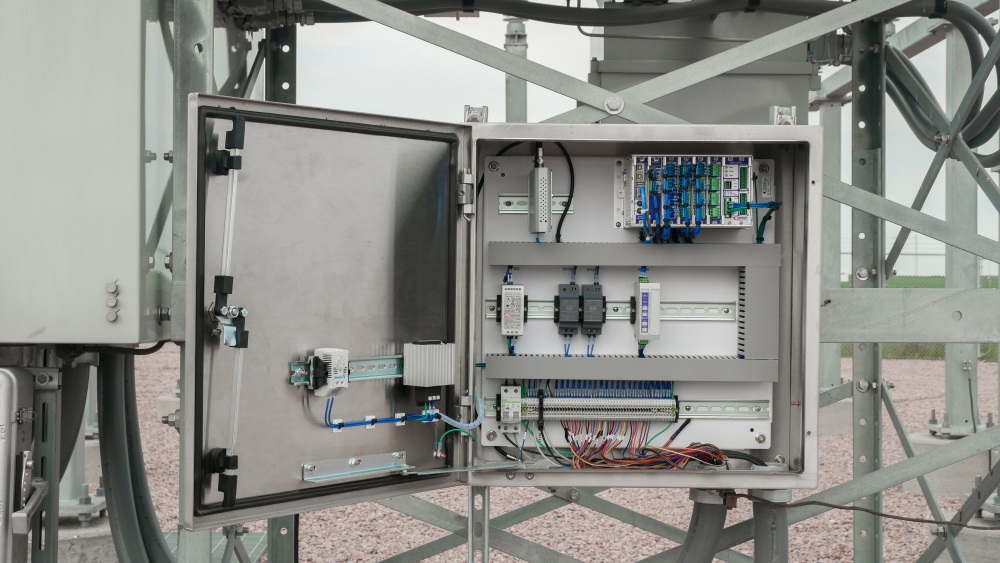
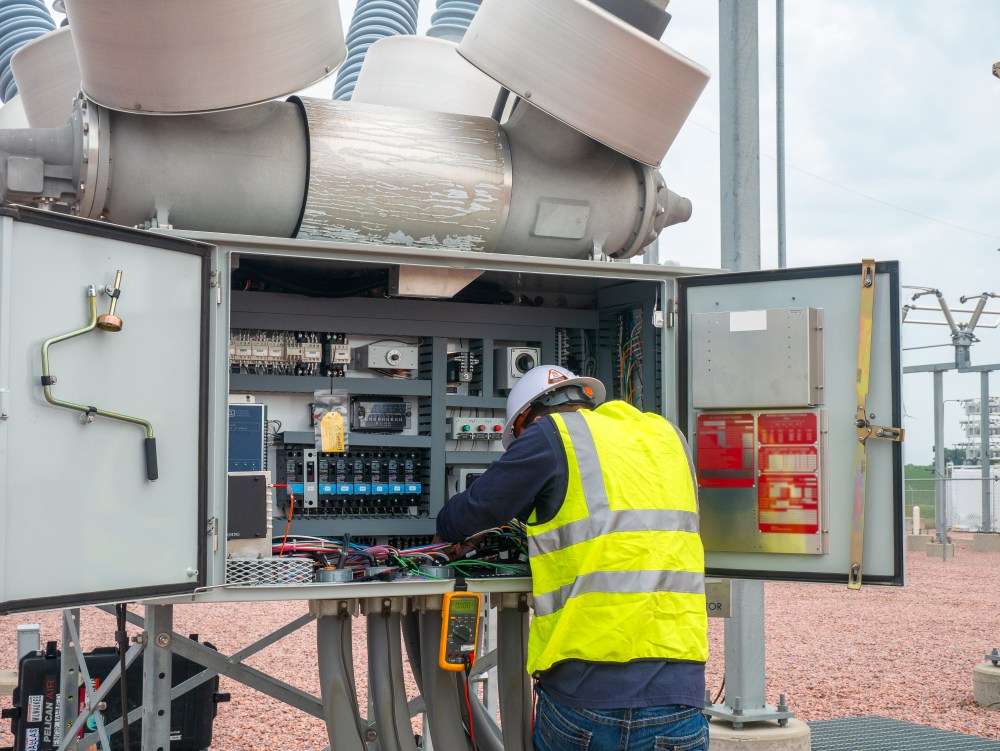
Proper sensor deployment requires careful attention to several factors that determine long-term system reliability and performance. Isolation capability must allow gas shutoff to sensors without taking breakers out of service, which requires strategically placed isolation valves. This design principle enables sensor maintenance during normal operations without affecting system reliability.
Minimizing potential leak points is best managed by reducing the number of fittings. Installations with excessive compression fittings create numerous potential failure points. Modern installations typically limit the entire monitoring system to just two leak points at max.
Installations today have moved toward JIC-type hoses over traditional stainless-steel tubing, offering reduced fitting requirements, greater flexibility, and improved reliability with fewer reported leaks.
Turning Data into Prediction
Effective SF6 monitoring requires more than simple pressure readings. Modern systems integrate pressure, density, temperature, and ambient conditions to provide comprehensive analysis.
Online monitoring reveals how tank heaters affect gas pressure, typically showing 7-8 pounds of pressure increase when heaters activate during cold weather. This information prevents over-pressurization when technicians top off breakers during winter months, avoiding the creation of new leak points when temperatures rise.
By establishing baseline pressure patterns and factoring in temperature variations, monitoring systems can predict future alarm points and lockout conditions. This capability transforms emergency responses into planned maintenance activities, allowing utilities to schedule work during regular hours with appropriate crews.

How the Breaker Performance Monitor Improves SF6 Management
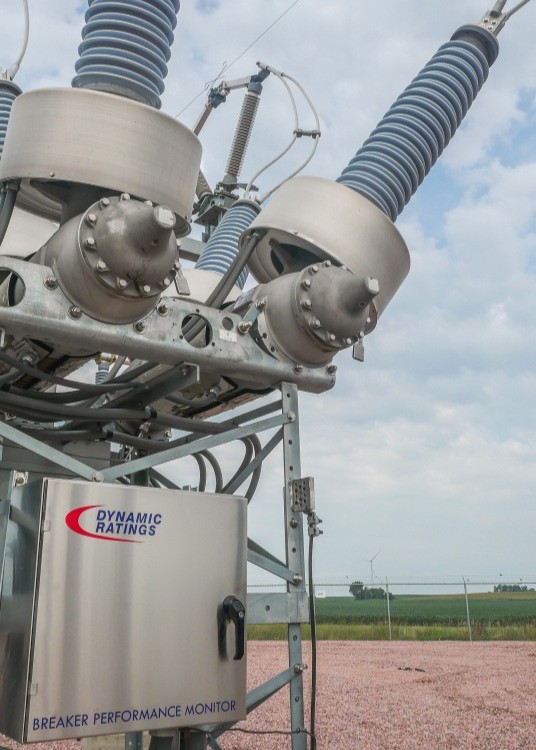
The Breaker Performance Monitor (BPM) is the most comprehensive circuit breaker monitoring solution available. Unlike standalone gas monitoring systems, the BPM integrates SF6 monitoring with comprehensive breaker diagnostics to provide complete visibility into the circuit breaker’s health.
Multi-Parameter SF6 Monitoring
The BPM’s SF6 monitoring capabilities include multi-parameter sensors that continuously monitor density, temperature, and humidity in SF6 and dry air systems. Intelligent alarm management distinguishes between temperature-related pressure changes and actual leaks, while sophisticated trending and forecasting algorithms predict time to lockout conditions.

Smart Capture Technology
The BPM’s Smart Waveform Capture technology performs a complete diagnosis of the breaker’s mechanical and electrical systems with every operation. This high-speed waveform capture provides detailed analysis of first trip open and close times, identification of latch and bearing performance issues, detection of lubrication problems before they cause failures, auxiliary contact condition monitoring, and fault current analysis.
Integration and Fleet Management
The BPM integrates with existing infrastructure through multiple communication protocols (DNP3, Modbus, IEC 61850) and works with our fleet management solutions. The included DynamicMetrix platform provides engineering access for data viewing and diagnostics, with fleet-wide options for managing multiple asset types from a single interface.
LIFESTREAM Support Services
Our LIFESTREAM Support Services provide the comprehensive lifecycle support that ensures long-term monitoring success. From initial planning and design assistance through professional installation and commissioning, LIFESTREAM covers every aspect of system deployment.
The service includes 24/7 asset monitoring support, regular condition assessment reports and diagnostic assistance when issues arise. This holistic support approach transforms technology deployment from a one-time purchase into an ongoing partnership focused on operational excellence.

The Future of SF6 Management is Intelligent Monitoring
While alternative gases and technologies continue to develop, SF6 remains essential to today’s electrical infrastructure. The Breaker Performance Monitor provides the foundation for responsible SF6 management, balancing reliability and environmental stewardship through predictive maintenance, automated compliance tracking, and enhanced system efficiency.
Modern SF6 monitoring marks a shift from reactive maintenance to predictive asset management. By combining online monitoring with advanced diagnostics in the BPM, utilities can optimize performance, reduce environmental impact, and strengthen operational reliability. As regulatory pressures rise and environmental expectations grow, integrated monitoring becomes indispensable for responsible utility operations.
The future of SF6 management is built on intelligent, integrated monitoring that transforms data into actionable insight. For utilities ready to embrace this future, the benefits go beyond compliance and cost savings to deliver the operational excellence that defines industry leadership.
Contact us today for a demo of the Breaker Performance Monitor.
Author: Katie Garland, Dynamic Ratings