

As the demand for AI and other digital services continues to grow, data centers are creating an increasing burden on the grid, and the country may not have the capacity to meet the demand.
The digital revolution is now overwhelming utilities and regional power grid operators tasked with managing electricity demand, proving that utilities need to adapt, and showing us why asset management matters even more as we move into the future.
According to NOVEC’s Data Center Load Forecast, contracted capacity for data center load is forecast to climb from 1,675 MVA in 2023 to 9,399 by 2028. That’s equal to powering more than 10 million homes into the grid.
Several factors contribute to this strain, including the rapid expansion of data centers, their high energy consumption, the cluster of their construction, the particularly robust demands of AI, the need for constant uptime, and the challenges associated with integrating renewable energy sources.
The Challenges
The rapid increase in the number and size of data centers have forced utilities to rethink how they meet demand. Data centers are notoriously energy-intensive facilities and each new facility adds a significant load to the electrical grid.
Data centers require substantial amounts of electricity to power servers, storage devices, networking equipment. Additionally, data centers must maintain optimal operating temperatures to prevent equipment overheating, necessitating robust cooling systems that further increase energy consumption. According to the International Energy Agency (IEA), data centers and data transmission networks accounted for about 1% of global electricity use in 2020, with projections indicating continuous growth.
Data Center Clustering
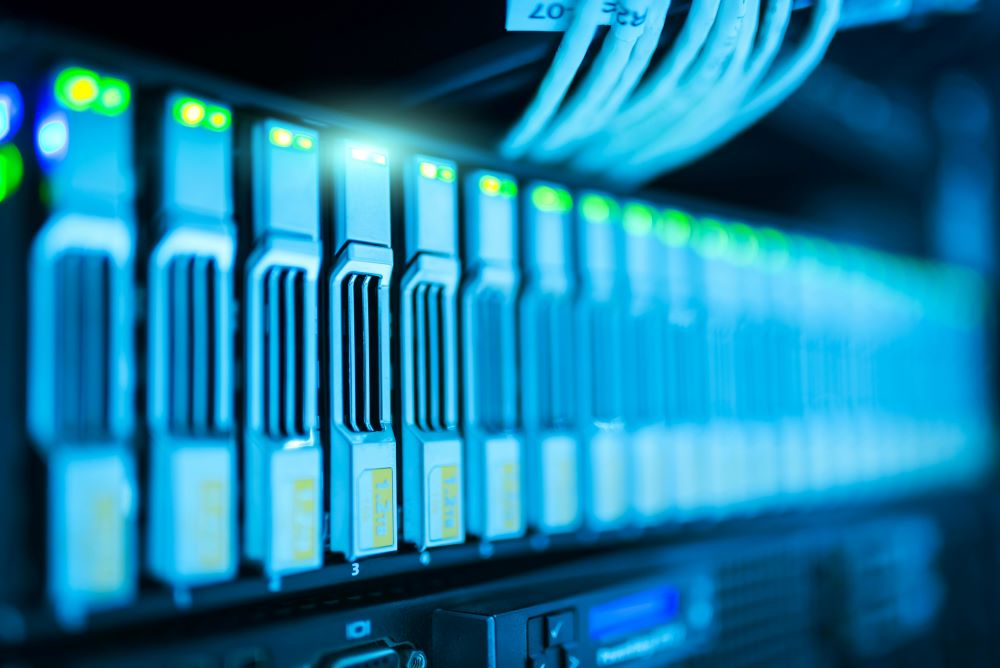
Many data centers are located in specific regions or clusters, often near urban areas or where major technology companies are headquartered. This geographical concentration can lead to localized strains on the electrical grid, particularly in areas where the grid infrastructure is not designed to handle such intense and continuous power demands. This clustering of data centers can lead to grid congestion, increased risk of outages, and the need for substantial investments in grid upgrades.

Integration of Renewable Energy Sources
While there is a growing trend toward powering data centers with renewable energy, integrating these sources into the grid presents its own set of challenges. Renewable energy sources such as wind and solar are intermittent and variable, which can lead to fluctuations in power supply, which is of course anathema to an industry that demands 100% uptime.
Data centers require a stable and reliable power supply, so balancing renewable energy with conventional energy sources can be complex and may require additional infrastructure.
Dynamic Monitoring Increases Efficiency Across the Board
As any unexpected substation outages or overloaded power grid interrupts the power flow to a data center, extending the life of your assets gives utilities a risk mitigation strategy for data center upkeep, improving power reliability by monitoring the electrical infrastructure required to keep uptime maximized.
Asset life cycle planning at the design phase means more efficiency in the long term. Smart monitoring at every stage ensures the reduction of redundancy, and reduces spend elsewhere, while avoiding downtime overall.
Static design constraints require that utilities have to use conservative worst-case approaches when applying ratings for equipment. Without knowing the precise internal temperature, there is wasted capacity.
From a system planning viewpoint, in order to better prevent equipment failure, it pays to dynamically rate your equipment from the get-go and monitor in real-time.
Monitoring power assets is a logical risk mitigation strategy for data centers that are unable to justify replacement of a power transformer or switchgear lineup, but face EHS and operational risk of equipment failure due to end-of-life calculations based on unreliable data sets.
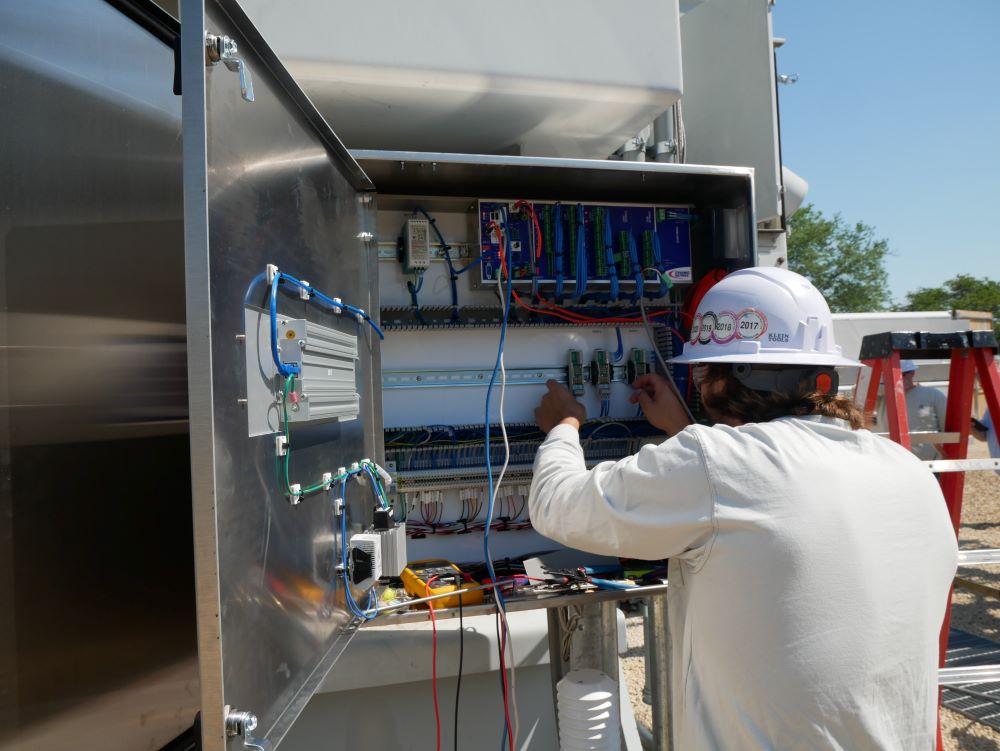
Transformer and switchgear life estimates are well-studied, although the bulk of data on the topic comes from electric utilities who load their power equipment much differently than Data Center operators. The result is that for typical applications, data center equipment should exceed the design life of the transformer. However, without appropriate monitoring, the risk of failure is too significant to bear, and as a result, power equipment is often replaced well before the end of electrical life.
The Challenges of 24/7 Uptime Requirements
Unlike many other types of facilities, data centers operate 24/7, 365 days a year. This constant demand for power without any significant downtime, places a continuous strain on the electrical grid. The need for uninterrupted service means that data centers cannot easily shift their energy consumption to off-peak times, making it challenging for grid operators to balance supply and demand.
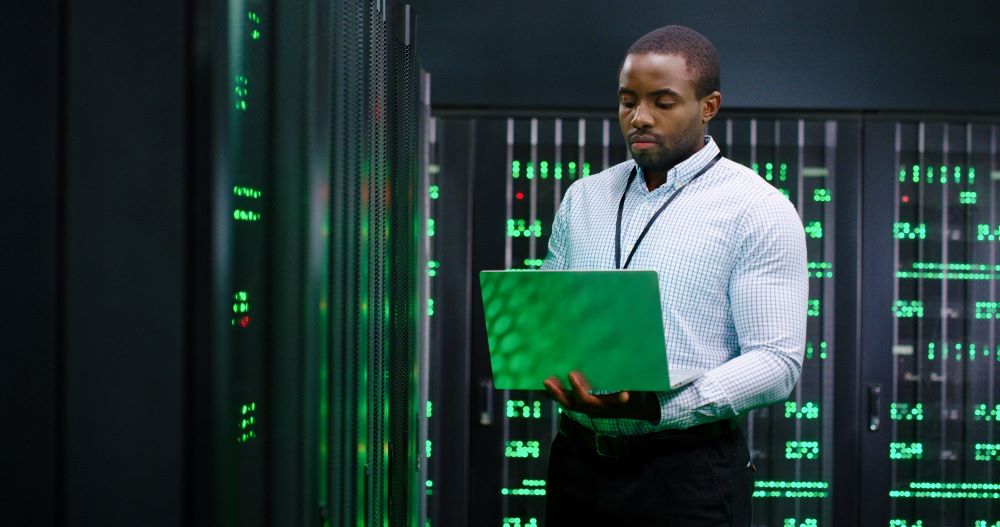
Data centers face an additional cooling challenge – vast rooms of computer servers need to be kept cool to prevent hardware from shutting down. An estimated 40 percent of data center electricity demand is for air conditioning. According to the Department of Energy, data centers consume between 10 to 50 times more energy per unit of floor space than a commercial office building. And because they typically need to be online 100% of the time, this makes it harder to shift consumption away from peak periods of demand.
Avoiding Unexpected Downtime
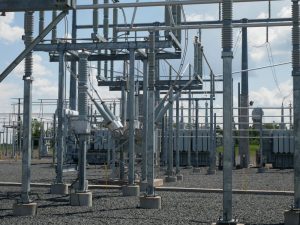
Any failure of the interconnecting substation from a data center to the grid will cause downtime, which means lost revenue and loss of service. The transformers, switchgear and breakers are all critical in the delivery of electricity to the grid, and continuous online monitoring ensures these electrical assets are all functioning as intended and will help prevent any unexpected downtime that can cost millions of dollars a day in lost revenue.
The Benefits of Real-Time Monitoring
To extend the life of utility assets, real-time monitoring can be leveraged to collect data that can be used for risk justification. Once operational, equipment health can be monitored for key gasses and other electrical signatures to establish an asset health status that can be used to forecast the optimal time to replace the equipment.
Increasing Reliability with Substation Monitoring
Data centers rely on an uninterrupted energy supply because unplanned or forced outage disruptions could be catastrophic to the data-processing of critical industries. Power system reliability is therefore vital to maintaining data flow.
The power system is aging and replacing assets can be time consuming and costly if an unexpected problem occurs. This is why it’s important to have a plan in place for risk mitigation. Data Center substation monitoring gives you the data to make educational end-of-life calculations for your assets, and monitoring equipment in the substation is an affordable way to increase the reliability of your power supply.
Collecting Data on Your Data
Online condition monitoring reduces the risk of failure by increasing situational awareness. Monitors evaluate the assets in your substation (switchgear, transformers, circuit breakers and more) and measure their performance to make sure everything is working properly. If something looks out of place, an alarm will notify you of the problem. Substation asset data is easily managed on a visual dashboard to ensure ease of use.
Transformer and switchgear equipment health data has value, as it allows for situational awareness of real-time conditions, as you’ll see below.

Dynamic Ratings Can Help
Dynamic Ratings is taking part in addressing these data center challenges with a diverse set of online monitoring options. We can monitor transformers, breakers, switchgear, and other electrical apparatuses to meet these growing changes and challenges facing the power grid.
Without dynamic rating systems in place from the design phase, data centers rely on redundancy to avoid power outage, and this redundancy is not perfect, often creating energy bottle necks.
Utilities that purchase transformer monitoring for their data center substation equipment to ensure sufficient capacity to meet their energy needs.
C50 Transformer Monitoring
Online monitoring gives you data on your data to increase reliability and situational awareness (whether you have a healthy or unhealthy loaded transformer) by monitoring and reporting on the load capacity of your assets. With the C50 Transformer Monitor, you are able to determine the transformer’s load capacity through data assessments rather than nameplate standards.
The C50 Transformer Monitor makes condition monitoring easy and affordable. It looks at the condition of your assets so that you can use real-time data to make decisions about your high voltage transformer.
The C50 has the capability to perform the following functions: transformer monitoring, bushing monitoring, breaker monitoring, and switchgear monitoring.
With the C50 Transformer Monitor, you are able to determine the load capacity of the online transformer monitoring system through data assessments, eliminating the added inefficiency of nameplate standards.

Breaker Performance Monitoring
Dynamic Ratings Breaker Performance Monitor is the most comprehensive circuit breaker monitoring solution available. With the inclusion of Smart Capture, the BPM combines the most effective offline and online testing methods. The modular design is a highly customizable online monitoring package, resulting in a monitor capable of performing the advanced analytics required to detect operating deficiencies well in advance of breaker failure.
Monitoring Switchgear Performance
The Switchgear Monitor provides continuous online condition-based monitoring for switchgear. It is a continuous partial discharge monitor which oversees, stores, and correlates partial discharge and other operating dynamics. It provides information as to the health of the medium voltage insulation systems, of switchgear, cables and bus ducts.
Dynamic Ratings Software Solutions
Finally, our software solutions help you better monitor, report on, and maximize the efficiency of your equipment.
The Dynamic Ratings ConnectGrid™ Smart Infrastructure Solution (SIS) is an agile technology stack that enhances connectivity to grid edge assets for better management. The system is the best digital asset management software available, tailored to meet varying security, scalability and availability requirements and has many options available in architecture and communication technology.
DynamicMetrix® Fleet Assessment
Meanwhile, DynamicMetrix® incorporates the experience of the Dynamic Ratings team to consolidate all your condition data, analyze the data in real time and deliver a complete fleet assessment while giving you the ability to obtain detailed information, make timely decisions and take the appropriate actions to maximize reliability, performance, and the life of your assets.
Easing the Burden
The burden that data centers place on the electrical grid is a multifaceted issue driven by their rapid expansion, high energy consumption, constant uptime requirements, geographical concentration, and the challenges associated with integrating renewable energy sources.
As the digital economy continues to grow, addressing these challenges will require coordinated efforts from data center operators, energy providers, policymakers, and technology developers. Investments in energy-efficient technologies, grid infrastructure upgrades, and innovative solutions for integrating renewable energy will be crucial in managing the increasing demand and ensuring a sustainable and reliable power supply for the future.
Asset management is more than just installing a monitor. Successful asset management is a process flow of planning, designing, managing, implementing, verifying, and supporting.

The Dynamic Ratings series of monitoring technology is here to help ensure successful monitoring throughout the entire life cycle of an asset, allowing utilities to cope with increased grid demand for data centers of all sizes.
Author: Tyler Willis, Dynamic Ratings