
Network overloading, supply chain disruptions, and financial constraints are just the tip of the iceberg when considering the numerous factors that impact electrical assets. Emerging energy technologies are placing new demands on transformers’ traditional load. Supply chain limitations have led to extended lead times, and maintenance expenses continue to rise annually. While utilities strive to develop and sustain a resilient power infrastructure, resource constraints and scheduling pressures can hinder the process.
More companies are recognizing the growing importance of network resilience and are actively seeking strategies to improve asset reliability while minimizing the risks that reduce transformer lifespan. Condition-based monitoring provides a cost-effective solution, empowering utilities to adopt a proactive approach to monitoring their assets.
Monitoring, diagnosing, and expertise define our approach to creating a holistic asset management strategy. We understand that installing a monitor is one component of a broader, long-term strategy. That is why we partner with our customers to best guide and support a successful asset management strategy throughout the entire life cycle of an asset.
LIFESTREAM Support Services recognizes that effective asset management is more than just installing a monitor. That is why we are dedicated to ensuring end-to-end monitoring success through a process flow of planning, designing, managing, implementing, verifying, and supporting – all at a sustainable cost.
The Financial Implications of Transformer Management
Transformers are essential to power distribution and represent substantial capital investments. Their cost varies by design complexity and capabilities, whether it is a small 10kV transformer or a large 420kV transformer. However, the replacement of a failed transformer is significantly more expensive than its initial purchase and installation.
Challenges of Replacing Aging Equipment
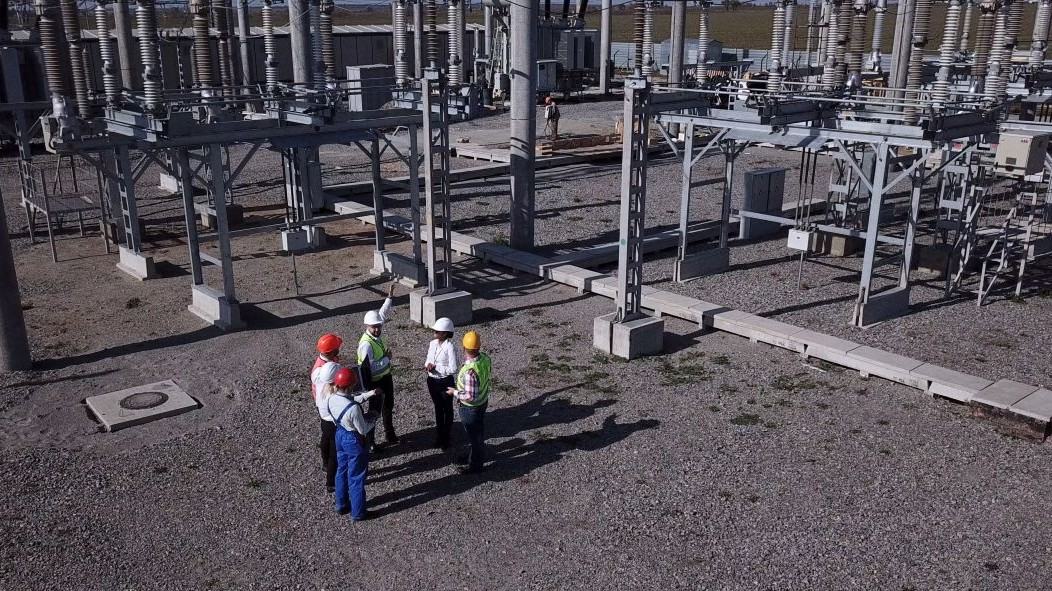
Before you can install a new transformer, the aged or failed asset must be safely removed. After this, the brand-new transformer can be reconnected and installed into the network. The cost is further affected by whether work is carried out in energized or de-energized environments. Energized environments will have slower work rates and heightened safety precautions. On the other hand, de-energized substations must have power re-routed or a scheduled outage, resulting in a faster installation but larger logistical and financial implications when rerouting power.
Labor additionally impacts the overall repair and restoration process. Inspection rates increase for O&Ms because of the higher failure rate due to the equipment’s age. A good rule of thumb is that a total replacement of a transformer costs 2 to 3 times more than its original installation, and as we have seen time and time again, costs will continue to rise as inflation increases.
In the power area, millions of dollars are exchanged each day based on the transmission of electricity. Even one failure or outage can significantly impact the cost and quantity of power purchased and sold. By combining online condition-based monitoring with our reliable LIFESTREAM Support Services, utilities are able to save money and time when managing aging assets. The cost of implementing monitoring equipment is far less than the cost of replacing the entire transformer. With access to real-time data on transformer components, utilities can extend the life of the asset and identify any inefficiencies that could lead to failure. This positions the utility to act proactively rather than reactively when disruptions occur.
Supply Chain Limitations
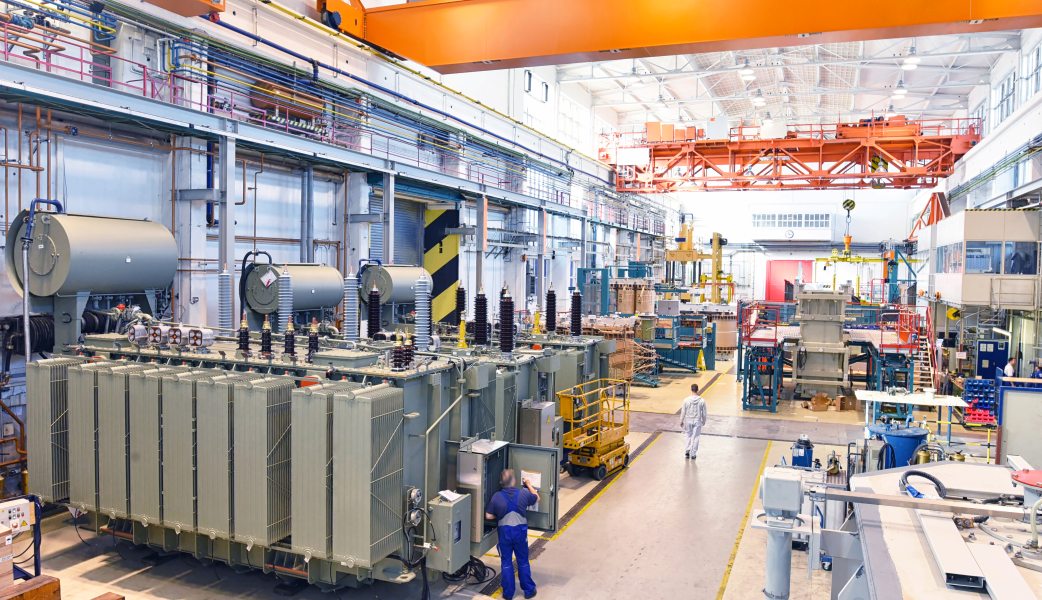
Supply chain limitations continue to impact the overall cost and timing of replacing or upgrading transformers and their components. Transformers rely on a variety of raw materials like copper, steel, insulation materials, cooling fluids, and more.
Global market fluctuations influence the materials’ availability and price, which results in varying price increases, longer wait times, and production slowdowns. In many cases, geopolitical tensions or natural disasters can disrupt how and where these materials are sourced, further limiting the production process.
Delays like these only add to the complexity of managing transformer upgrades or replacements. Production and transportation logistics vary based on availability and specialized requirements.
Since each stage of production depends on timely material delivery, a delay in one part can ripple across the entire process. This not only pushes back deployment schedules but also raises overall project costs.
While avoiding supply chain issues may seem impossible, extending the life of your transformer can help give you more control. Implementing online transformer monitoring provides early fault detection, guidance on optimal asset utilization, and opportunities for predictive maintenance. With the help of our LIFESTREAM Support Services, you gain access to expert insights that can help you understand your transformer monitor and what actions you can take to delay or even avoid the need for a full transformer replacement.
Maintenance Costs
Periodic and routine testing is required to test that the asset is meeting performance standards and operating reliably. These assessments are designed to catch early warning signs before they become a major issue. However, periodic inspections are often delayed due to scheduling conflicts or shifting priorities.
By implementing online monitoring, utilities gain access to real-time data on transformer health without waiting for the next scheduled inspection. This visibility allows teams to extend the intervals between certain maintenance activities while still staying informed. Built-in alarm thresholds guide asset managers on the severity of any performance deviation, helping asset managers prioritize and plan maintenance more effectively.
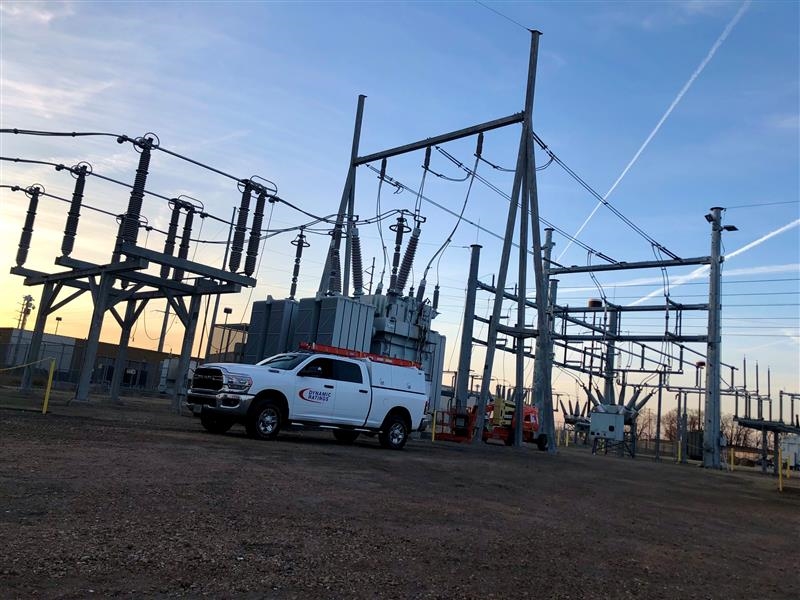
Managing aging infrastructure is about more than just fixing problems as they arise—it’s about slowing the rate of deterioration and getting ahead of potential failures. Since all transformers will eventually reach end-of-life, the ability to track condition data and aging indicators over time allows for smarter decision-making and long-term cost control.
Maximizing your Transformers
To survive in today’s regulatory environment and competitive marketplace, utilities are under pressure to do more with less. Extending the life of a transformer is a key way to save money and maintain reliability. By adopting online monitoring systems, utilities gain access to accurate, timely, and meaningful data that identify performance issues before they turn into costly failures.
With data visibility, asset managers can take proactive steps when data trends signal that something may be off. This approach allows for better planning, whether that means avoiding a transformer replacement or preparing early for end-of-life scenarios.
Managing aging infrastructure means not only minimizing the impact of equipment wear but also actively slowing the system’s overall decline. This goes beyond simply installing a monitor and incorporating an asset management strategy to make the most of your resources.
Simplifying Asset Management
LIFESTREAM Support Services partners with companies to help simplify asset monitoring. Successful asset management is a process flow of planning, designing, managing, implementing, verifying, and supporting. In each phase, we combine your operational goals and our technical expertise to deliver the best-tailored solution to meet your needs.
Whether we’re developing equipment drawings, coordinating materials, or providing 24/7 technical support, we’re here to support you every step of the way.
Once your monitoring system is up and running, our team is always ready and available to help. From customized training classes to diagnostic support, our industry experts are able to provide guidelines and actionable insights to best utilize your data in extending the life of the asset.
If you’d like to explore how LIFESTREAM Support Services can help you simplify your asset management strategy, contact us today.

Author: Katie Garland, Dynamic Ratings