
What is Transformer Monitoring?
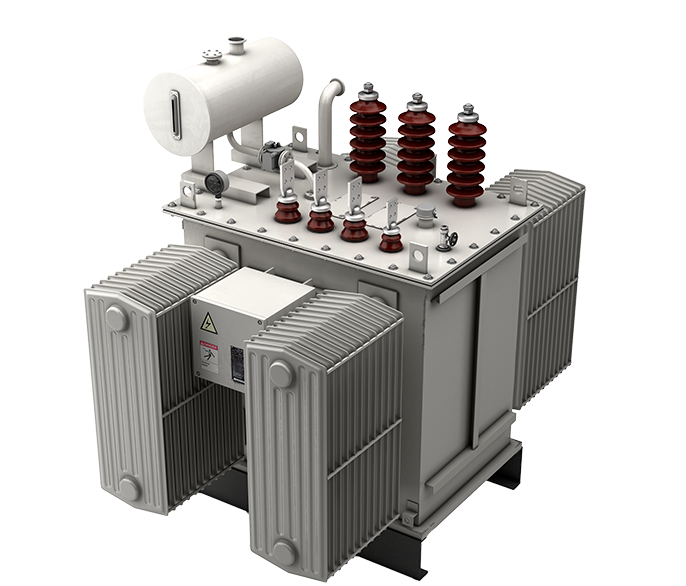
Transformers are key assets in the power grid and industrial processes. Transformer monitoring reduces business risk through:
- Providing better safety for workers and the public
- Reducing unexpected failures
- Reducing unplanned outages
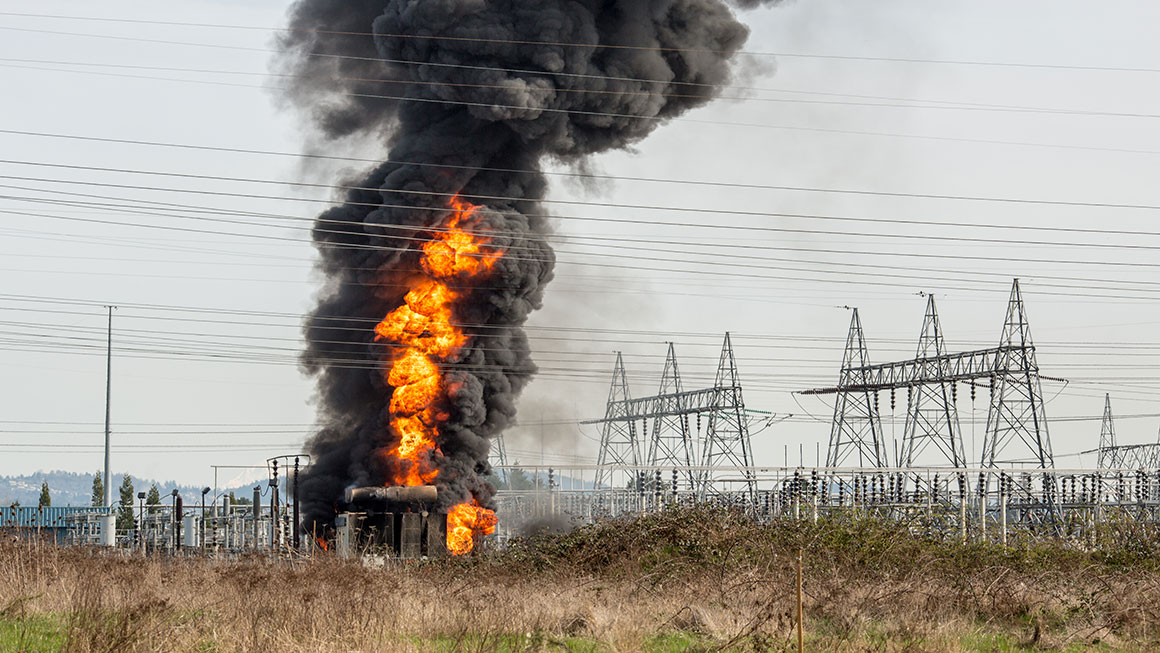
The consequences of an unexpected transformer failure can be catastrophic, yet many failures are preventable. The condition of a transformer is only as good as its worst performing component.
Transformer monitoring actively monitors various operating characteristics to make sure they are functioning properly. Transformer monitors collect data and send alarms to notify the user if something looks off.
There are a wide range of transformer monitors available that can detect the symptoms of transformer failure by monitoring the cooling system, load tap changer, dissolved gas, bushing power factor and capacitance, partial discharge, oil levels, pressure, temperatures and more.
What is the Risk of Unexpected Transformer Failures?

A major failure on a transformer is defined as an incident that takes the transformer out of service for seven or more days. To determine the risk of unexpected failure, it’s important to consider the consequences and the probability of failure occurring. About one out of every 200 transformers fails each year according to this CIGRE Transformer Reliability Survey. 30% of transformers that fail are beyond repair.
According to another study, major failures cost about $14,000 per MVA in property damage. In general, it is safe to say that unexpected failure can be costly. There are a lot of helpful resources to better understand what can fail on a transformer.
How Do You Use Transformer Monitoring to Determine Fleet Risk and Prioritize Asset Maintenance?
Transformer Monitors gather transformer fleet data which is used to determine a clear picture of asset health. Understanding asset health informs risk and maintenance decisions. It is important to evaluate several key areas when determining transformer risk.
- The technical condition of the unit and the importance to the network (aka the criticality).
- The make and model of the unit
- Unit features
- Years in service
- Location.
Read this case study to learn how an industrial company used DGA Monitoring to determine fleet risk and prioritize asset maintenance.
DOWNLOAD THE TRANSFORMER ONLINE CONDITION MONITORING GUIDE
A complete guide to transformer online condition monitoring for safer, smarter, and more efficient asset management.
How do Transformer Monitors Decrease the Risk of Unexpected Transformer Failure?
Bushing Monitoring
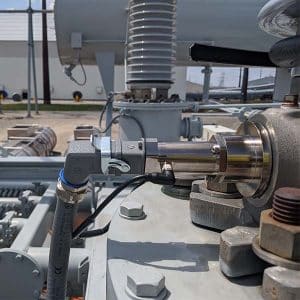
50% of bushing failures end in fires. Continuous online bushing monitoring allows utilities to plan ahead and avoid failures. Read More.
Temperature/Cooling Control
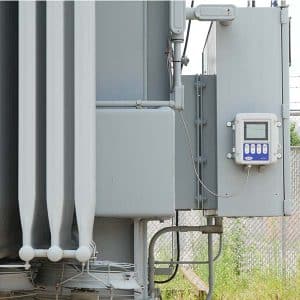
For every 6˚C increase in temperature, transformer aging rate roughly doubles! Electronic temperature monitors provide alarms and cooling control. Read More.
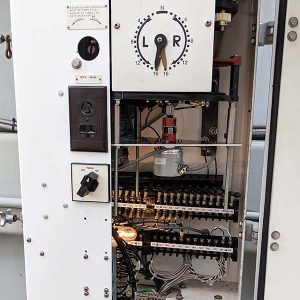
OLTC Monitoring
Many OLTCs in service today are based on older technology which can lead to misoperation. OLTC monitoring evaluates wear and tear. Read more.
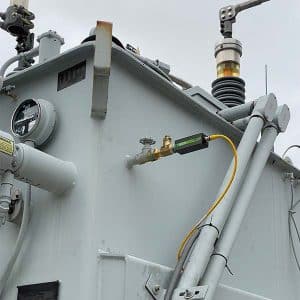
Dissolved Gas Analysis (DGA)
Faults in the main tank cause oil degradation and gas generation. Monitors track increases in dissolved gas levels as an indicator of incipient faults. Read More.

Moisture Monitoring
Monitors evaluate the amount of water in the paper since it directly impacts bubble evolution, dielectric resistance, and the aging rate of the insulation. Read More.

Partial Discharge Monitoring
Monitoring of partial discharge provides early indication of insulation deterioration and is therefore an important factor. Read more.
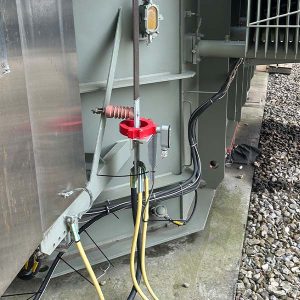
GIC Monitoring
The flow of Geomagnetic Induced Current in transformers is the root cause of all GMD related power system problems. Monitors and sensors watch for GIC events. Read more.
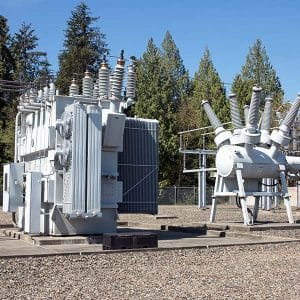
Through Fault Monitoring
Through faults happen frequently in overhead systems and are often transient in nature, resulting in the fault being cleared in a few milliseconds by the power system protection. Read more.
Introducing Dynamic Ratings' Transformer Monitors

Dynamic Ratings offers a range of transformer monitors to meet your unique needs. Transformer monitors range from simple to complex starting with our basic electronic temperature monitor all the way to our enterprise comprehensive monitoring system.