

In today’s increasingly complex power generation environments, the reliability of high-voltage rotating equipment is critical to maintaining uptime and operational safety. Turbine generators, isophase bus ducts, and generator step-up (GSU) transformers are central to this infrastructure, working in unison to transmit immense electrical loads under demanding conditions. However, as these components age or operate under stress, the insulation systems within them can begin to degrade. One of the earliest signs of this degradation is partial discharge (PD), a small but destructive electrical charge that occurs within insulation voids or along surfaces.
Addressing partial discharge in only one component is insufficient. Since these assets are electrically and mechanically interconnected, a developing issue in one area can create cascading effects across the system. Partial discharge signals can even travel across components, creating confusion about the true source of the problem. As a result, monitoring in isolation can lead to false conclusions, missed failures, or unnecessary maintenance.
Dynamic Ratings takes a comprehensive approach to partial discharge monitoring. Our condition based monitoring solutions are designed to provide a system-wide view, integrating sensor data from all major components of the generator system. This unified strategy allows operators to detect faults earlier, localize them with greater accuracy, and take proactive action to avoid unplanned outages. The result is a safer, more reliable, and more cost-effective power generation system.
Comprehensive PD Monitoring Across the Power Train Is Essential for Accurate Fault Detection
When utilities monitor components such as the generator, bus duct, or transformer individually, they often miss the broader context in which failures emerge. Because these assets work together as part of a single electrical path, partial discharge activity in one area can interfere with or mimic signals from another. Monitoring each element independently may result in misdiagnosed alarms, or worse, an undetected developing failure.
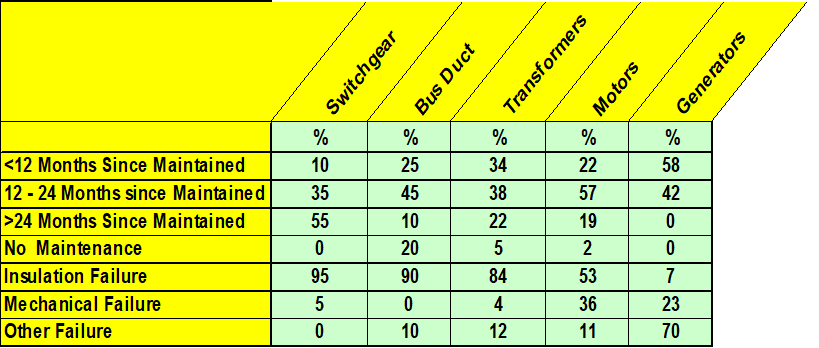
Statistics from the IEEE 423 Gold Book highlight the urgency of this problem. Approximately half of all generators experience forced outages within a year of maintenance. Transformers and bus ducts are not far behind, with one in three transformers and one in four bus ducts failing within a similar timeframe. These numbers illustrate a key limitation of periodic maintenance: it provides only a momentary view of asset condition, and often results in unnecessary service for healthy equipment while overlooking deteriorating ones.

Each component in the power train has unique failure mechanisms. In turbine generators, insulation failure in stator windings is common and usually results from a combination of thermal, electrical, ambient, and mechanical stress factors, collectively known as the TEAM factors. These conditions foster the development of internal voids, slot discharges, and degraded end-windings. In isophase bus ducts, failures typically arise from moisture, contamination, or weakened insulation. Corona activity and tracking from loose or poorly installed support insulators are well-documented failure causes. GSU transformers often suffer from insulation breakdown in bushings or winding assemblies, particularly under conditions of excessive thermal stress or oil contamination. Studies, including those from CIGRE, have shown that 30 to 50 percent of transformer dielectric failures stem from winding damage.
Dynamic Ratings addresses these vulnerabilities by offering continuous, correlated monitoring across all these components. This integrated approach eliminates blind spots and provides operators with the clarity needed to make informed maintenance decisions.
How PD is Detected, Measured, and Distinguished from Noise
Effective PD monitoring goes beyond detection—it requires differentiation. In high-voltage environments, distinguishing between legitimate PD events and background noise is a major challenge. Noise can come from internal sources, such as slip rings or shaft grounding brushes, or from external sources like corona on transmission lines. Without proper discrimination, noise can be misinterpreted as a fault, leading to wasted resources and misdiagnosed failures.
Researchers have long studied statistical and time-based analysis of PD signals to improve detection accuracy, including methods based on time-occurrence distributions like those discussed by NIST. Dynamic Ratings’ online transformer monitoring system is designed to operate during normal asset conditions, providing real-time data without requiring shutdowns.
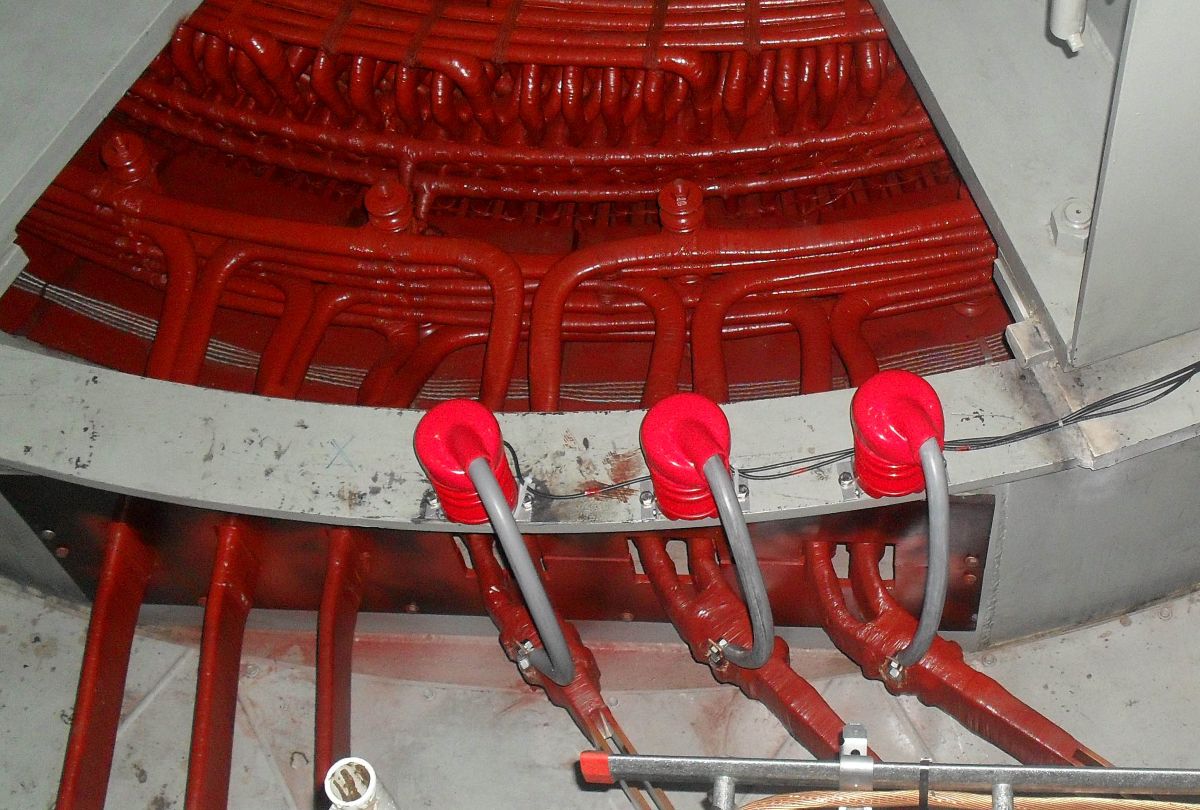
This continuous data stream gives operators the ability to track PD activity over time, monitor trends, and identify abnormal patterns before they lead to equipment damage. These systems are far superior to periodic offline tests, which only provide a snapshot and often require planned outages.

To ensure accurate data, Dynamic Ratings deploys a variety of sensors tailored to specific needs. Coupling capacitors are typically placed near winding terminals and are highly sensitive to PD near the line-end, though their zone of sensitivity usually covers only 10 to 15 percent of the total winding.
To address this limitation, Dynamic Ratings developed the RTD-PD Module, which utilizes existing resistive temperature detectors embedded within the windings. These RTDs act as antennas that detect high-frequency PD pulses deeper inside the winding. When used in combination with coupling capacitors, RTDs dramatically expand the monitoring coverage and help localize fault zones by comparing response amplitudes. The Ground Path Current Sensor, or GPCS, offers another valuable solution. This sensor is installed across isolation joints in the isophase bus and transformer system, capturing directionally sensitive high-frequency pulses caused by PD.
It operates passively and does not require complex calibration, reducing the risk of false positives from incorrect sensor mounting. In transformer applications, Rogowski coils are used in tandem with main PD sensors on the bushings to cancel out noise from external corona. By comparing the polarity of pulses from both sources, the system can determine whether the PD originates internally or externally and reject irrelevant signals accordingly.
The system compiles data not just from DGA monitors, but also from bushing monitors, OLTC monitors, thermal sensors, and cooling system performance monitors. This consolidated view makes it easier for decision-makers to identify emerging risks across their assets and allocate resources effectively. Whether it’s flagging a rise in combustible gases or spotting deteriorating cooling performance, DynamicMetrix® provides the insights needed to move from reactive to proactive maintenance strategies.
Access to DynamicMetrix® is web-based, meaning users can check transformer health remotely, improving situational awareness and speeding up response times. With built-in alarm management, condition-based analytics, and customizable dashboards, DynamicMetrix® empowers utilities to drive greater reliability, safety, and efficiency across their transformer fleets.
At the heart of this comprehensive monitoring system is the Rotating Machine Monitor, or RMM. This continuous monitoring device collects and stores real-time data from all deployed sensors. It tracks critical operating conditions such as winding temperatures, voltages, load currents, and electrical usage monitoring data, integrating them with PD measurements to provide a fully contextualized picture of equipment health. The RMM is compatible with a wide range of existing sensors and is designed to withstand harsh industrial conditions, making it a flexible, long-term solution for power generation facilities.

This multifaceted sensor network gives Dynamic Ratings’ PD monitoring platform unmatched diagnostic depth. It provides not just detection, but insight—enabling utilities to determine not only that a problem exists, but exactly where, when, and why.
Case Study: Northern California Power Agency (NCPA)
The Northern California Power Agency (NCPA) offers a powerful example of how comprehensive PD monitoring can protect critical assets. Prior to 2009, NCPA relied on portable PD testing during scheduled outages. While these tests provided some insight, they were limited to specific points in time and could not track developing trends between inspections.

Seeking a better solution, NCPA installed a permanent online PD monitoring system from Dynamic Ratings. The system covered the generator, the isophase bus duct, and the GSU transformer, creating a complete picture of their power train. After commissioning, the system began to collect continuous data from all three components.
At one point, the monitoring system detected elevated PD activity in the generator, while the bus duct and transformer readings remained stable. This discrepancy was critical—it confirmed that the issue was isolated to the generator and not the downstream components. Using RTD-PD analysis, the team was able to narrow the suspected fault location to approximately 30 percent from the neutral end of the stator winding.
With this data in hand, NCPA scheduled an inspection during the next available outage. They discovered a ground fault in phase C and identified significant insulation damage caused by a small metallic object left inside the stator during a prior upgrade project nearly 30 years earlier. The object had slowly worn down the insulation until a breakdown occurred.
Rather than replacing the entire winding, maintenance crews bypassed the damaged coils, fabricated copper jumpers, and restored service. Post-repair monitoring showed a dramatic drop in PD activity, confirming the repair’s effectiveness. The repair was both cost-effective and minimally disruptive, avoiding what could have been a major unplanned outage.
This outcome would not have been possible without system-wide monitoring. Had NCPA been relying on isolated readings, they might have missed the correlation or even misattributed the fault to another component. Instead, Dynamic Ratings’ comprehensive monitoring allowed for early detection, precise diagnosis, and targeted intervention.
Support Beyond the Hardware with LIFESTREAM®
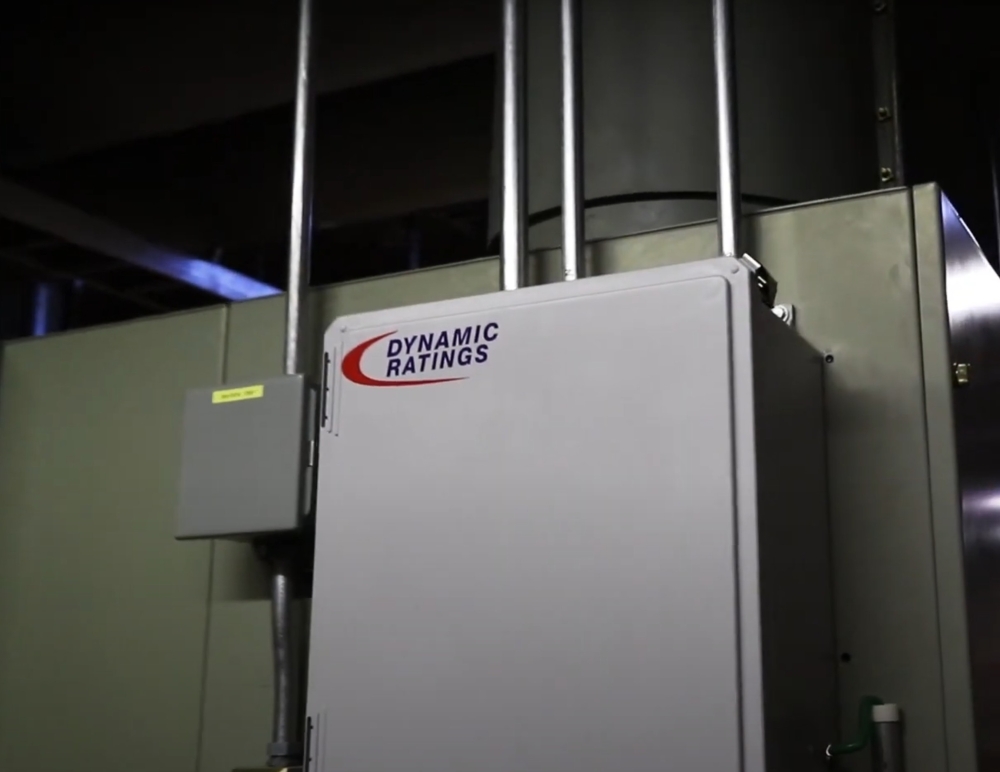
Dynamic Ratings understands that successful monitoring isn’t just about equipment—it’s about execution and understanding why asset management strategies matter.
From the earliest stages of planning and design, the Dynamic Ratings team works closely with customers to tailor systems to their specific needs. Implementation is handled with strict attention to safety and compliance, while commissioning and functional verification confirm that everything works as expected.
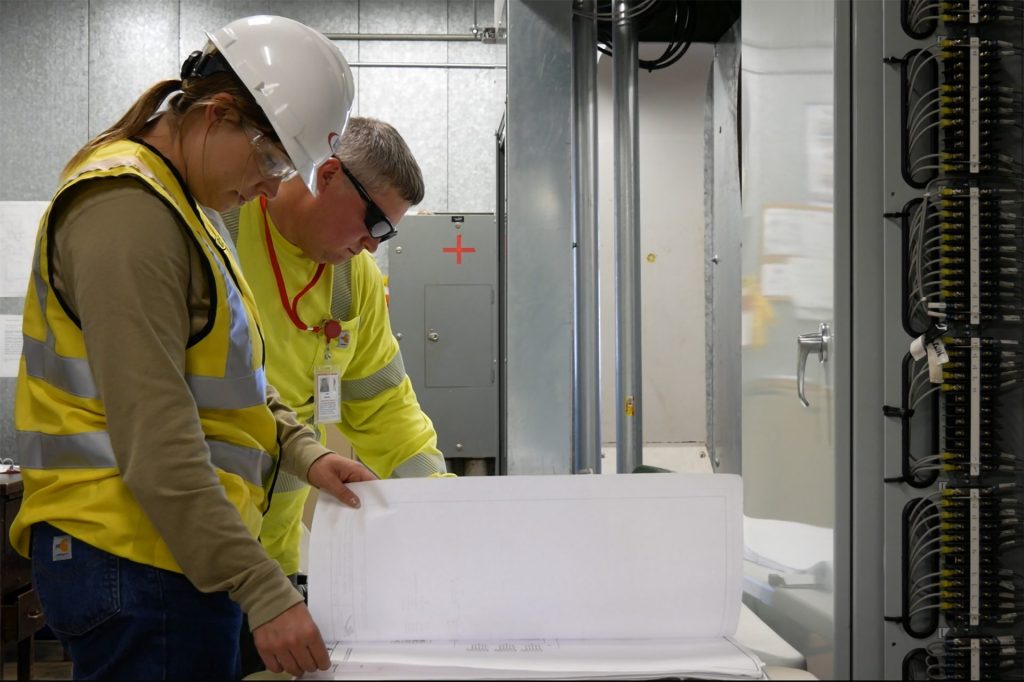
Ongoing support and training are also part of the package. LIFESTREAM® ensures that teams know how to interpret data, respond to alerts, and plan effective maintenance strategies based on what the sensors reveal. With LIFESTREAM®, monitoring becomes more than a technical function—it becomes a strategic advantage.
One System, One View, Real Protection
In power generation, no asset operates in a vacuum. Generators, bus ducts, and transformers are electrically and mechanically interdependent, and failure in one often stresses the others. Monitoring one component in isolation is not only inefficient—it’s dangerous.
Dynamic Ratings provides a complete, integrated approach to partial discharge monitoring. Through a combination of advanced sensors, robust data collection, and expert support, we help utilities move from reactive maintenance to proactive asset management.
Comprehensive PD monitoring doesn’t just detect problems—it prevents them. It ensures that operators have the clarity they need to make informed decisions, the tools to act early, and the confidence to keep their systems running safely and efficiently.
Contact us to learn more about how system-wide PD monitoring can protect your generation assets and improve long-term reliability.
Author: Tyler Willis, Dynamic Ratings