
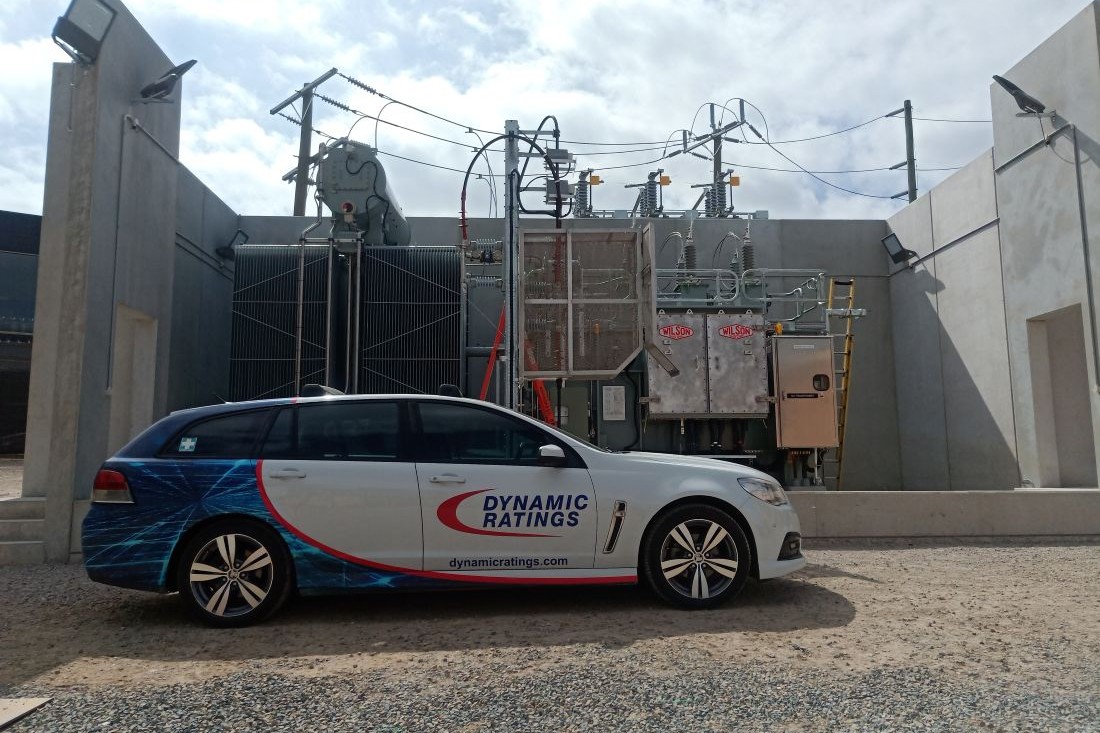
Walk through any Australian supermarket and you will see it: the words “Made in Australia” printed on everything from cheese to sunscreen. That claim carries real weight. Australians want to know where their products come from, and more importantly, they want to support the people and businesses that make them close to home.
Why should electrical infrastructure be any different?
For Australian utilities, the equipment installed on poles, in substations, and across the distribution network is a long-term investment paid for by the communities they serve. When that equipment is manufactured locally, it supports Australian jobs, shortens supply chains, and tells a story customers can be proud of.
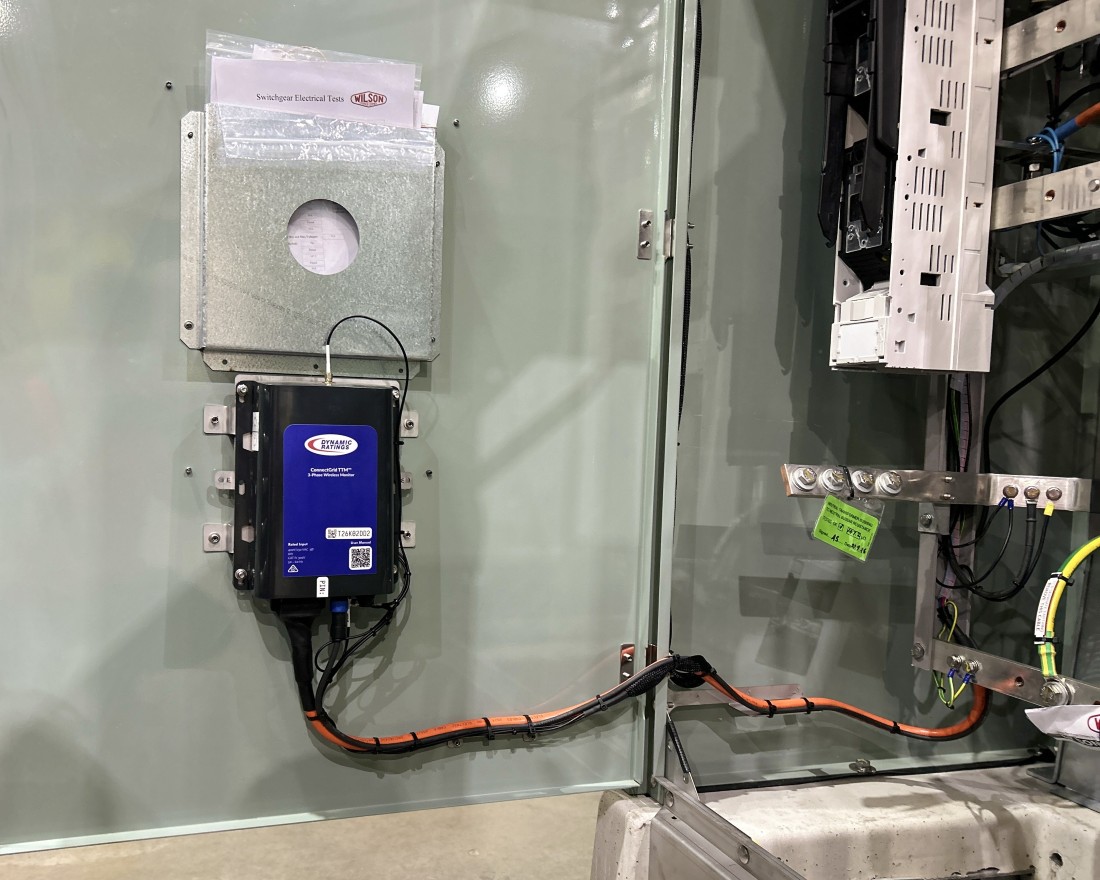
At Dynamic Ratings, we understand this story well. Our TTM 3-Phase Monitor is manufactured at our Dynamic Ratings APAC Head Office in Mulgrave, Victoria. Because it is designed and built here, the TTM is engineered for the conditions Australian networks face every day. As rooftop solar, home batteries, and electric vehicles continue to reshape distribution networks across the country, it has never been more relevant.
To see why that combination matters, let’s first unpack what Made in Australia truly means, and then explore how the TTM helps utilities gain the low voltage network visibility they need.
The Significance of Made in Australia
What does “Made in Australia” actually mean? Under Part 5-3 of the Australian Consumer Law, a business can safely describe a product as made in Australia when the product underwent its last substantial transformation here. In other words, the finished product must be fundamentally different from the imported parts or materials that went into it. Minor processing, such as repackaging or simple assembly of imported parts, is generally not enough.
Why Australians Choose Local
The sentiment behind the claim is powerful. According to Roy Morgan research published by the Australian Made Campaign in 2025, 84% of Australians are more likely to buy a product when they know it is made in Australia. That preference reflects:
- Pride in local manufacturing and Australian jobs
- Confidence in quality and safety standards
- A desire to keep investment within local communities

Beyond consumer sentiment, local manufacturing has become a national policy focus. In 2024, the Federal Government introduced the Future Made in Australia legislation to unlock private investment, strengthen domestic industrial capability, and build a more resilient economy powered by renewable energy.
For the energy sector, the message is clear. Domestic manufacturing and supply chain resilience are no longer nice to have, but are part of how Australia plans to deliver its energy transition. Much of that transition is not happening at large power stations. It is happening on rooftops, in garages, and at the street transformers that serve them.
Why the TTM Resonates with Australian Utilities
Consumer sentiment and national policy set the stage, but for many utilities, buying Australian made equipment is also about values. Distribution network service providers (DNSPs) answer to the households and businesses on their networks, and those customers increasingly care where critical infrastructure comes from.
The Emotional Appeal of Buying Local
When a utility installs a monitor built in Australia, it reinvests in the same economy its customers live and work in. That message carries weight in regulatory submissions, community engagement, and annual reports alike. It shows customers that network spending supports local manufacturing jobs rather than relying solely on overseas supply chains. It also brings practical benefits, including local support, shorter lead times, and a manufacturer that understands Australian network conditions
The Growing Need for Low Voltage Monitoring
Understanding Australian network conditions matters more every year, because those conditions are being reshaped from the rooftop down. According to the Clean Energy Council’s latest rooftop solar and storage data, Australia reached 28.3 GW of rooftop solar across roughly 4.3 million installations by the end of 2025. Home battery uptake has accelerated too, with 183,245 batteries sold in the second half of 2025 alone, a fourfold increase on the same period in 2024.
All of that activity lands on the low voltage (LV) network. Rooftop solar creates voltage volatility and two-way power flows, while EV charging adds new evening peaks. Yet industry experts warn that Australian DNSPs face a “critical” visibility gap at the LV level, particularly on long rural feeders.
How can utilities manage rooftop solar and EV growth on the low voltage network? It starts with real-time data at the distribution transformer. Consider the scale involved. Roughly 80% of Australia’s electricity grid runs on overhead lines. Monitoring every pole-mounted transformer manually is simply not realistic, which is why utilities need monitors that are quick to install, easy to maintain, and ready to scale.
What the TTM Delivers
Manufactured in Australia and supported locally, the TTM 3-Phase Monitor is part of the ConnectGrid™ Smart Infrastructure Solution and is designed for exactly this challenge. Key capabilities include:
- Self-powered, three-phase monitoring of voltage and load profiles on distribution class transformers
- Harmonics measurement to reveal power quality issues introduced by inverters and chargers
- Integrated secure cellular communications, so there is no separate backhaul or pole-mounted gateway to install and maintain
- Pre-wired kits with voltage cables and Rogowski coil current transformers, with internal or external mounting options
- Event-driven data pushed immediately for fault investigation and outage detection
As a result, utilities gain granular data that supports hosting capacity analysis, voltage regulation, and DERMS and ADMS applications.
Proven on Australian Networks: The Jemena EV Charging Trial
That value is already proven close to home. In an ARENA-funded trial with Melbourne distributor Jemena, Dynamic Ratings provided engineering support and LV monitoring linked to the TTM 3-Phase Monitor on the low voltage side of distribution substation transformers.

The challenge was a familiar one. Home EV chargers draw 7 kW to 22 kW each, so just a few on the same street can overload a transformer, blow a fuse, or push end-of-circuit voltage below regulatory limits.
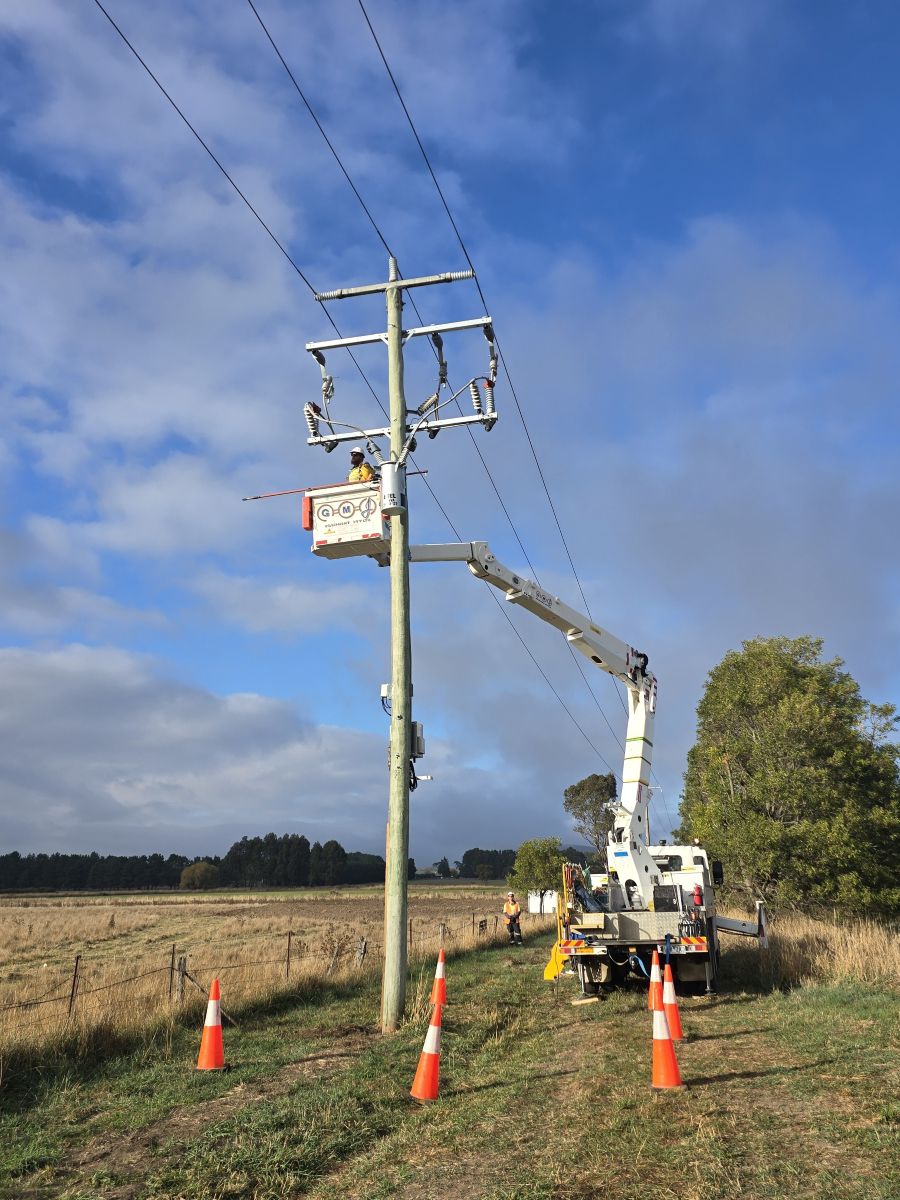
How can utilities prevent EV charging from overloading distribution transformers? In this trial, the monitors measured load current, voltage, and power quality, while the ConnectGrid platform hosted Jemena’s operating envelope algorithm, automatically sending reduced charge limits to EV chargers whenever capacity became constrained. Notably, crews installed the monitors quickly and safely using tools already familiar to overhead line workers, and the project laid the groundwork for real-time LV network control and distributed energy resource management.
For Australian utilities, the takeaway is clear. A monitor made right here in Australia is already delivering the LV insight networks need to manage solar, batteries, and EVs with confidence.
Building a Smarter Grid in Australia
With the TTM, Australian utilities do not have to choose between supporting local manufacturing and solving the LV visibility challenge. As rooftop solar, home batteries, and electric vehicles push the LV network into new territory, the TTM 3-Phase Monitor delivers scalable distribution transformer monitoring in a locally made solution utilities can proudly share with their customers.
Ready to bring LV visibility to your network? Explore the TTM 3-Phase Monitor and see how the ConnectGrid Smart Infrastructure Solution fits your distribution strategy.
Have questions about deploying Australian made monitoring across your network? Contact us today and our team will help you build the right solution for your grid.
Author: Katie Panke, Dynamic Ratings