

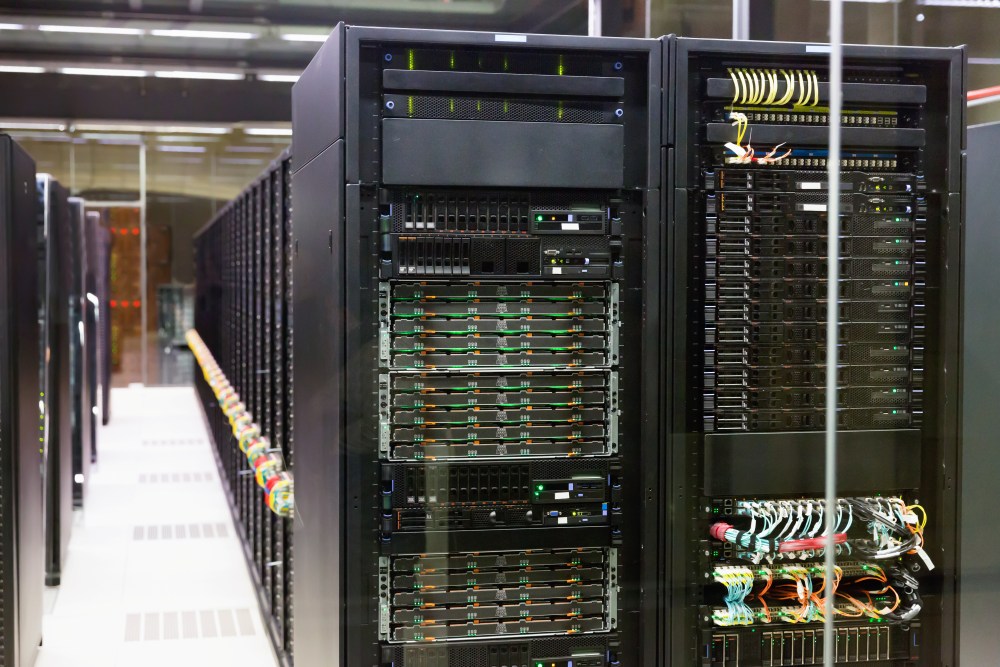
The exponential growth of artificial intelligence and cloud computing has created an insatiable demand for data processing power. This surge has resulted in massive data centers that function as concentrated sources of nonlinear electrical loads that is altering the harmonic landscape of local power grids nationwide.
These facilities consume enormous volumes of electricity, but the real challenge isn’t just the quantity of power they demand. The problem lies in how they consume it. Data centers draw power through switched-mode power supplies, variable frequency drives, and uninterruptible power systems that create sharp, non-sinusoidal pulses rather than the smooth, predictable patterns transmission and distribution utilities are designed to handle.
How Data Centers Disrupt Traditional Power
Traditional electrical loads behave predictably, drawing power in patterns that match the fundamental 60 Hz frequency flowing through power lines. Data centers change this expectation completely.
Most servers convert alternating current to direct current through switching operations that create harmonic frequencies at multiples of the fundamental 60 Hz frequency. When you multiply these individual distortions across thousands of servers within a single data center facility, they create a massive harmonic source that overwhelms local distribution transformers and transmission lines that were never intended to handle such concentrated nonlinear loading. These abnormal currents cause voltage distortions that ripple far beyond the data center’s immediate vicinity.
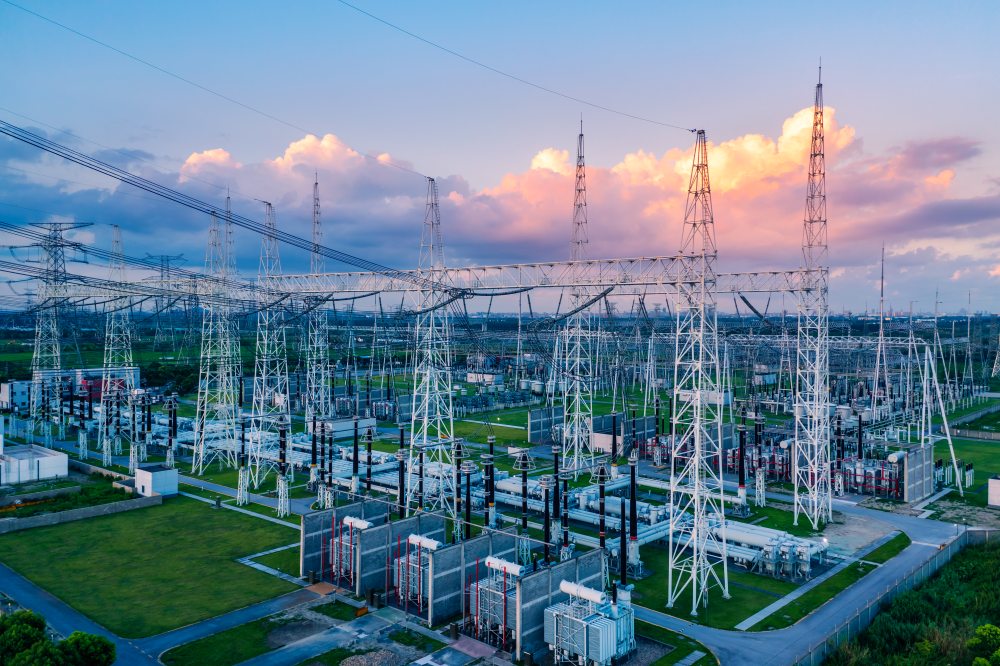
The IEEE 519 Compliance Crisis
Total Harmonic Distortion (THD) serves as the metric for measuring this electrical distortion. When levels regularly exceed the critical 8% threshold established by IEEE 519 standards, utilities face an increasing regulatory pressure. Utility managers must maintain compliance, but every new data center installation pushes THD levels closer to or beyond acceptable thresholds.
This creates a compliance crisis that threatens regulatory standing and operational licenses. The regulatory pressure intensifies as IEEE 519 compliance becomes increasingly difficult to maintain, leaving utility operators caught between serving essential infrastructure and meeting mandatory standards.
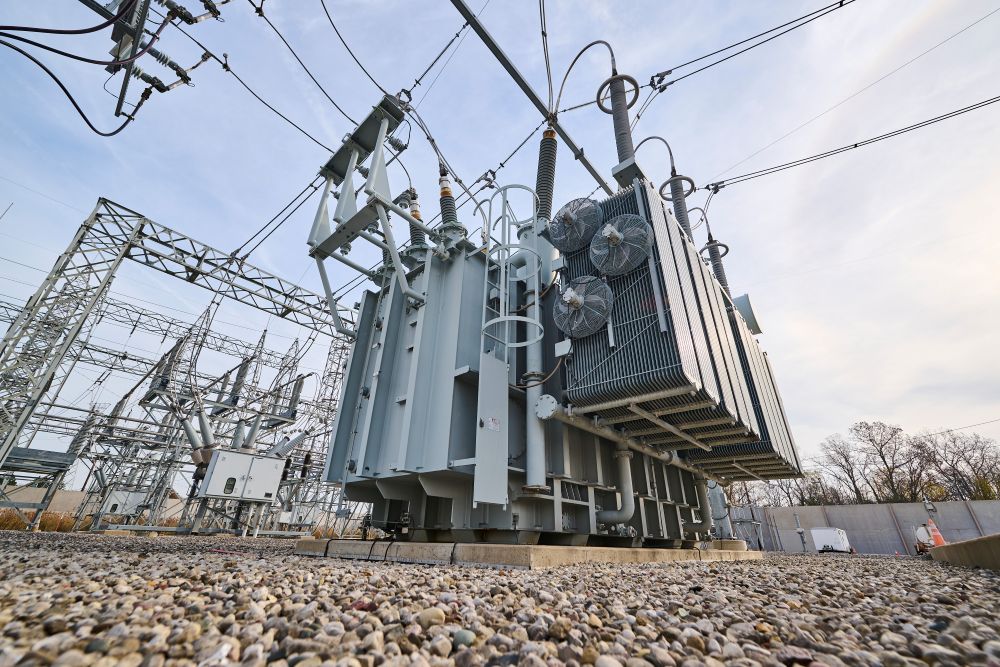
Harmonics Impacting Transformer Performance
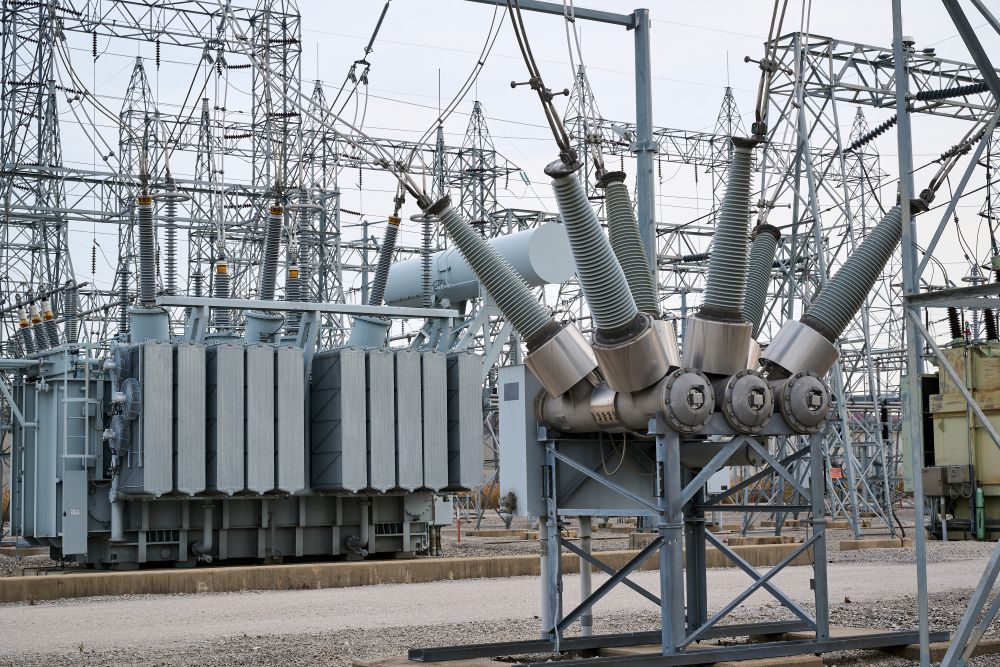
As asset managers struggle to handle the power supply, the impact on transformers and the ageing power infrastructure is proving to be quite a challenge. Power transformers experience accelerated insulation degradation, increased heating, and reduced operational lifespan when subjected to sustained harmonic distortion.
Harmonic-induced circulating currents in parallel windings create hot spots that compromise structural integrity. This thermal stress compounds over time, causing insulation systems to become brittle and fail prematurely.
Transformer oil degrades more rapidly under these conditions, while internal components experience mechanical stress from the abnormal harmonic vibrations that can loosen connections and damage internal structures. Equipment designed to operate reliably for decades now requires premature replacement, driving up maintenance costs and creating unpredictable failure points throughout the system.
How Harmonic Distortion Impacts the Consumer
This transformer stress extends beyond utility equipment, affecting daily energy consumption and creating widespread problems for end customers.
When transformers operate beyond their harmonic tolerance limits, they begin delivering distorted voltage waveforms to downstream customers. This distorted power causes sensitive electronic equipment to malfunction, motors to run hot and inefficiently, and lighting systems to flicker or fail prematurely.
Customers experience unexpected equipment failures, reduced appliance lifespans, and increased energy consumption as their devices struggle to operate efficiently with distorted power supply. These impacts create customer complaints, service reliability issues, and additional maintenance burdens for utility crews already stretched thin by increasing infrastructure demands.
Mismatch Between Data Centers and Aging Power Grids
The harmonic distortion crisis represents a fundamental mismatch between 21st-century digital infrastructure demands and 20th-century power grid design. This creates operational challenges that threaten the very foundation of reliable electrical service.
Utility operators desperately need real-time visibility into harmonic distortion levels at critical points throughout their distribution networks. Without this visibility, problems manifest as equipment failures or compliance violations before anyone realizes what’s happening.
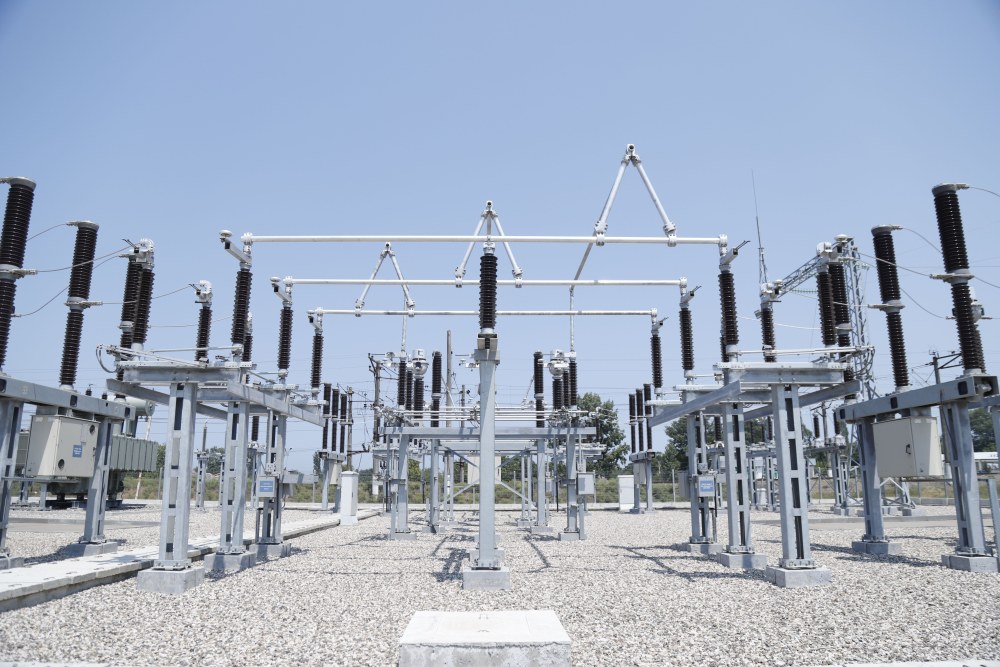
Monitoring Solutions for Harmonic Distortion Management
The solution to managing data center harmonic distortion lies in implementing comprehensive monitoring systems that provide real-time visibility and proactive asset protection across entire distribution networks.
Traditional power quality meters typically provide data after disturbances occur, and harmonic surveys require significant more work to gather the data. Online monitoring systems offer continuous, real-time visibility into your assets. This transforms utility operations from a reactive to proactive approach.
Unlike conventional solutions that focus on periodic measurements, online monitoring systems collect and analyze data around the clock. These systems monitor critical parameters such as temperature, dissolved gases, partial discharges, oil quality, bushing condition, and vibration with high precision. By monitoring specific transformer components, asset managers can safeguard their transformers from harmonic-induced degradation.
The E3 Transformer Monitor Advantage
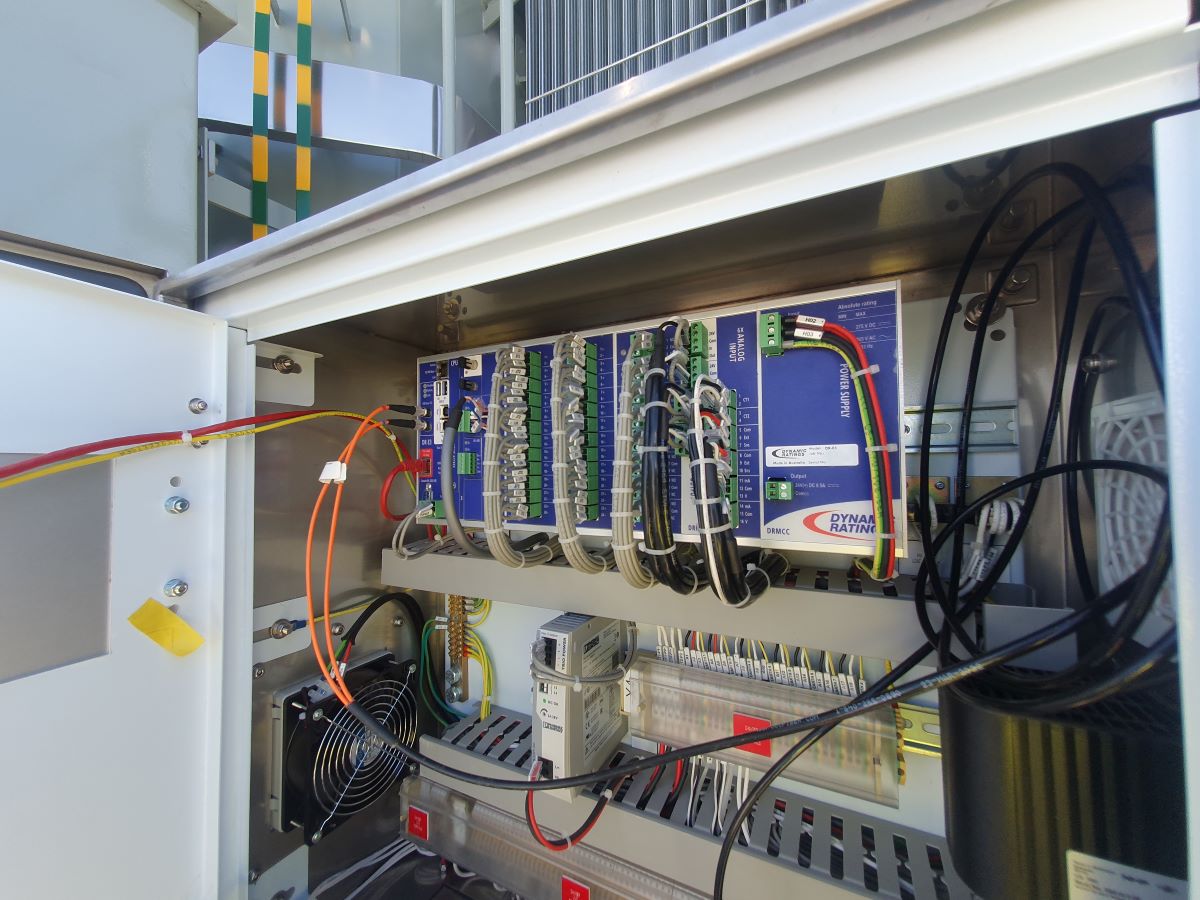
The E3 Transformer Monitor represents an advanced solution for transformer asset management. It provides comprehensive monitoring capabilities that exceed the limitations of traditional approaches.
While conventional monitoring systems focus primarily on fundamental phasor measurements, the E3 monitor has a harmonics and fault counter card that is designed with the latest industry standards to capture the complete spectrum of harmonic-related threats to transformer health.
Industry research confirms that transformers can tolerate up to 5% THD without derating and up to 15% with negligible derating, but beyond 15-19% THD requires careful evaluation using IEEE recommendations. This makes accurate harmonic monitoring essential for proper asset management.

Unlike competing solutions that provide fragmented monitoring approaches, the E3 Transformer Monitor has the ability to track multiple parameters in a single, integrated platform. It is important for utilities to determine which transformer components you want to monitor to best support the goal of your asset monitoring strategy.
By monitoring through-fault and harmonic management, transformer monitors provide data-driven insights needed to optimize transformer loading, adjust protection settings, and implement targeted mitigation strategies that extend asset life while maintaining reliable service.
Through-Fault Monitoring Precision
Through-fault monitoring addresses the compounding effects of harmonic distortion on transformer mechanical integrity with unprecedented precision. Each through-fault event places additional stress on transformer core and coil assemblies already compromised by harmonic heating, creating cumulative degradation effects that reduce fault withstand capability over time.
The E3 monitor’s precise measurement of fault current magnitudes and durations provides essential data for assessing accumulated stress levels and predicting remaining transformer life under combined harmonic and fault stress conditions. This capability enables asset managers to make informed decisions about transformer replacement timing, load transfer strategies, and protection system adjustments that minimize exposure to damaging fault currents.
Comprehensive Asset Protection for Utilities
Complementing transformer monitoring with circuit breaker monitoring provides additional protection layers that limit fault exposure and enhance overall system reliability. By monitoring breaker performance and detecting operational abnormalities before they occur, this integrated monitoring approach reduces the frequency of through-fault events that compound harmonic stress effects on transformer assets.
The combination of transformer and breaker monitoring creates a comprehensive asset protection strategy that addresses both the direct effects of harmonic distortion and the secondary impacts of fault-related mechanical stress.
The Future of Asset Management in the Data Center Era
The data center integration isn’t slowing down. It represents a permanent shift in how electricity is consumed and delivered. As these facilities grow in number, their nonlinear loads will continue to put an increasing pressure upon the transmission and distribution network. Utilities can’t stop this digital transformation, but they can prepare for it.
Advanced online monitoring solutions give utilities that power to see what was once hidden. Load profiles, real-time data on harmonics, and emerging stress points across assets are the key parameters to evaluate to best support data centers and the transmission and distribution network.
With key predictive analytics, asset managers can identify developing risks, extend asset’s lifespan, and make targeted investments where they will have the greatest impact. This shift from reactive to predictive operations is not only about meeting IEEE standards, but about ensuring reliable, compliant, and future-ready infrastructure for decades to come.
Proactive monitoring and data-driven decision proving to be the clear foundation of maintaining power in this 21st century. Utilities that embrace this approach will be better equipped to manage harmonic distortion, support data centers and the overall power grid, and guarantee consistent service for all customers connected to their networks.
Contact us today to learn how you can reduce harmonic distortion on your electrical assets and strengthen your grid against the evolving demands of the digital age.
Author: Katie Garland, Dynamic Ratings